Menlo Park Real Estate Buyer Guide for 2026
A step-by-step guide to buying a home in Menlo Park. Learn about financial preparation, the offer process, neighborhoods, and what to expect at every stage.
May 7, 2026 · 11 min read · Buying · Property guides
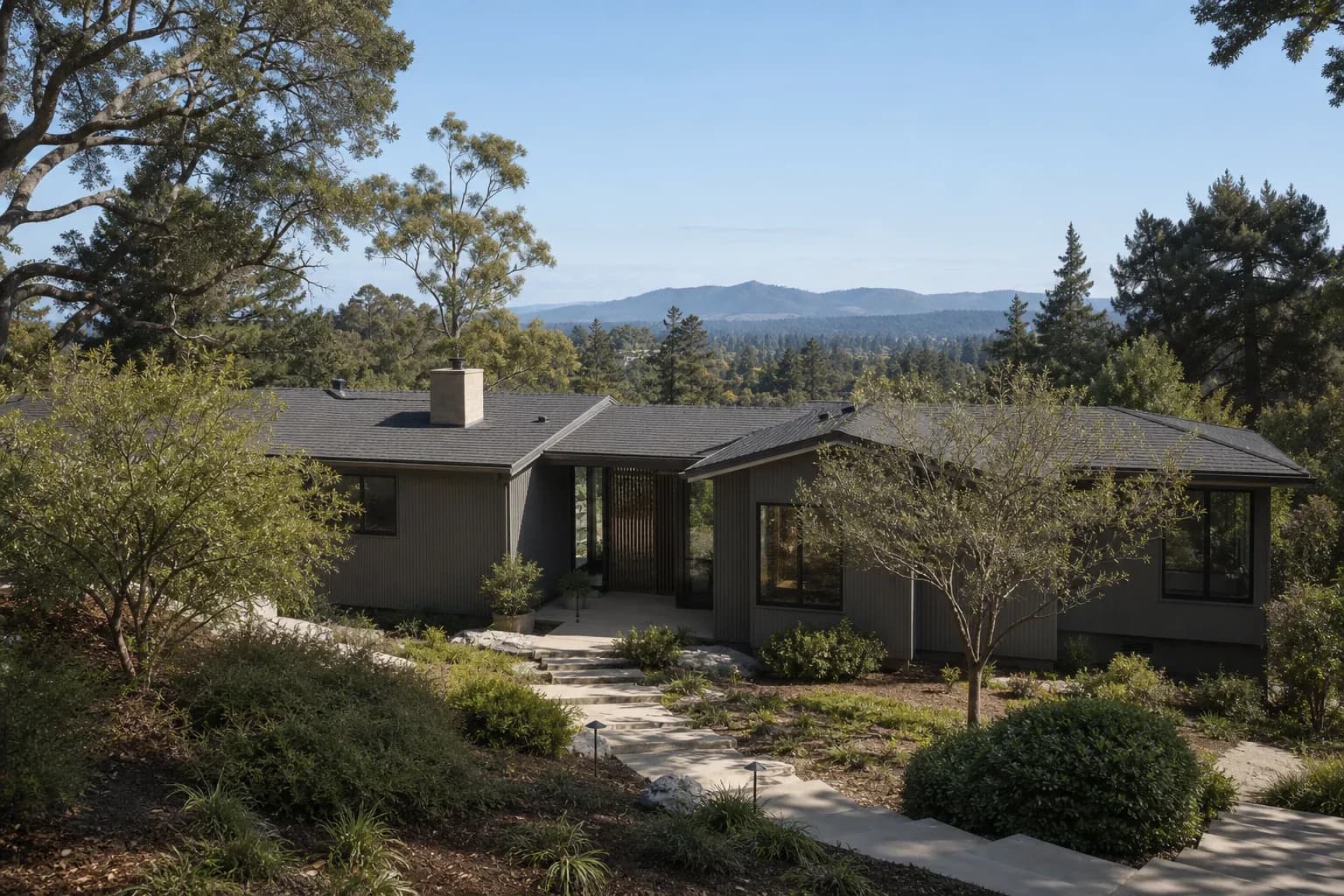
Buying a home in Menlo Park takes more than just browsing listings. It takes local knowledge, financial preparation, and a clear strategy. This guide walks you through each stage of the process so you can move forward with confidence. Whether you are relocating to the Peninsula or upgrading from a nearby city, the steps below will help you make a strong, informed purchase.
Start your Menlo Park home search with a Realtor who knows every street in this market. Meet Robert Parish or call 650-400-1011.
Why Menlo Park Attracts Buyers From Across the Bay Area
Menlo Park sits between Palo Alto and Atherton on the San Francisco Peninsula. It is home to Meta’s global headquarters and the venture capital firms of Sand Hill Road. The city’s population is roughly 32,000, giving it a small-town feel with direct access to Silicon Valley’s economic engine.
Families are drawn to top-rated schools in the Menlo Park City School District. Professionals value short commutes to major tech campuses. The walkable downtown on Santa Cruz Avenue offers restaurants, shops, and a weekly farmers’ market.
Menlo Park neighborhoods vary widely in character. Downtown offers an urban, walkable lifestyle. Sharon Heights provides larger lots and hillside views. The Willows is known for tight-knit community bonds and tree-lined blocks. Allied Arts blends creative history with residential charm. This variety gives buyers real options based on lifestyle and budget.
For a closer look at each area, read our guide to the best neighborhoods in Menlo Park.
What Does the Menlo Park Housing Market Look Like?
The Menlo Park real estate market remains competitive. As of early 2026, the median single-family home price is approximately $3.05 million. Prices have grown by about 13.6% year-over-year, according to local market reports. That appreciation rate outpaces most Bay Area cities.
Inventory stays tight. Roughly 388 homes sold in the past 12 months. Most sellers receive multiple offers, and homes in desirable neighborhoods often sell above asking price. Fewer than 0.1% of properties are in any form of distress.
Mortgage rates in early 2026 hover near 6%. On a $2.4 million loan (assuming 20% down on a $3 million home), that translates to a monthly payment of roughly $14,400 before taxes and insurance. Understanding these numbers early helps you set a realistic budget.
The national market has shifted toward buyers in some regions. Menlo Park is different. Strong demand from the tech sector and limited new construction keep conditions favorable for sellers. Buyers need to arrive prepared.
How to Prepare Financially Before You Search
Financial preparation is the foundation of a successful home purchase in Menlo Park. Prices here demand more planning than most markets. Start these steps well before you tour your first property.
- Get pre-approved for a mortgage. A pre-approval letter shows sellers you are a serious buyer. Work with a lender who understands Peninsula real estate. Jumbo loans are common here since most purchases exceed conforming loan limits.
- Know your total budget. Your purchase price is only part of the picture. Add in property taxes (roughly 1.2% of assessed value in San Mateo County), homeowners insurance, and potential HOA fees. Closing costs in California typically run 1-3% of the purchase price.
- Plan your down payment strategy. Many Menlo Park buyers put 20% or more down. The average loan-to-value ratio in the area sits near 21%, meaning most buyers arrive with significant equity. A larger down payment strengthens your offer.
- Consider bridge financing. If you own a current home, selling and buying simultaneously can be complicated. Compass Bridge Loans let you access your existing equity to make a non-contingent offer on your next home before your current one sells.
- Budget for improvements. Many Menlo Park homes are older. Ranch-style homes from the 1950s and 1960s are common. Set aside funds for updates you may want after closing. The Compass Concierge program can also help sellers prepare homes before listing, which means some properties will be move-in ready.
Visit our buyers page for resources on starting your home search and preparing a competitive offer.
Steps in the Menlo Park Home Buying Process
Buying a home here follows a structured process. Each step builds on the last. Skipping or rushing any stage can cost you the home or lead to regret later.
- Define your priorities. Make a list of what matters most. Consider commute times, school districts, lot size, walkability, and proximity to parks. Menlo Park’s neighborhoods each serve different lifestyles, so clarity here saves time.
- Partner with a local Realtor. A Realtor with deep Menlo Park experience knows which homes are priced right, which streets flood in winter, and which properties have unpermitted additions. Local knowledge makes a measurable difference in a competitive market.
- Tour homes strategically. Visit properties in person. Online photos rarely capture noise levels, natural light patterns, or neighborhood character. Drive the area at different times of day. Walk the blocks around any home you are considering.
- Make a strong offer. In Menlo Park, a strong offer goes beyond price. Sellers value clean terms: a short contingency period, proof of funds, and flexibility on closing dates. Your Realtor will craft an offer that stands out without overexposing you to risk.
- Complete inspections and due diligence. Once your offer is accepted, hire a qualified home inspector. In Menlo Park, pay special attention to foundation condition, roof age, sewer laterals, and seismic retrofitting. Older Peninsula homes often need attention in these areas.
- Negotiate with clarity. Your Realtor will handle negotiations on your behalf. In Menlo Park, negotiation goes beyond price. Repair credits, closing cost contributions, and leaseback agreements are all part of the conversation. A Realtor with a legal background can identify contract risks that others might miss.
- Close the transaction. Work with your lender, title company, and Realtor to finalize paperwork. Expect the closing process to take 21-30 days from accepted offer. Your Realtor will manage timelines and coordinate with all parties. On closing day, you will sign final documents, wire funds, and receive the keys to your new home.
What Should Buyers Know About Menlo Park Neighborhoods?
Choosing the right neighborhood matters as much as choosing the right home. Here is a quick overview of buyer-relevant details for the most popular areas.
Downtown Menlo Park: Best for buyers who want walkability. Restaurants, coffee shops, and boutiques line Santa Cruz Avenue. Homes here tend to be smaller lots with higher per-square-foot prices. Expect to pay a premium for the convenience.
The Willows: A family favorite. Known for its community events, block parties, and safe streets. Homes are typically single-story ranch styles on generous lots. Prices are slightly below the city median.
Sharon Heights: Larger properties with privacy and views. This area sits near Sharon Park and the Sharon Heights Golf and Country Club. Buyers here often seek more space and a quieter setting.
Allied Arts: A historic neighborhood with character. Homes range from mid-century designs to newer builds. The area’s creative heritage gives it a distinct feel.
Central Menlo Park: Close to schools and parks. A practical choice for families who want easy access to daily amenities without the higher prices of Downtown or Sharon Heights.
For detailed profiles of each area, explore the Menlo Park community guide.
How Does Buying in Menlo Park Compare to Nearby Cities?
| City | Median Home Price (2026) | Key Draw | Buyer Profile |
|---|---|---|---|
| Menlo Park | ~$3.05M | Walkable downtown, top schools, Meta/VC proximity | Tech professionals, families, investors |
| Palo Alto | ~$3.8M | Stanford University, cultural amenities | Academics, executives, tech founders |
| Atherton | $5M+ | Estate-size lots, privacy, exclusivity | Ultra-high-net-worth buyers |
| Los Altos | ~$3.5M | Small-town charm, family-friendly | Families, long-term residents |
| Woodside | $3M+ | Rural feel, equestrian properties, open space | Privacy seekers, outdoor enthusiasts |
Menlo Park offers a middle ground. It is more affordable than Palo Alto and Atherton while providing strong schools, a vibrant downtown, and direct access to Peninsula employment centers.
If you are also exploring neighboring communities, our Palo Alto buyer guide and Woodside buying guide cover those markets in detail.
What Financing Options Work Best in Menlo Park?
Most Menlo Park purchases require jumbo loans. These are mortgages that exceed the conforming loan limit set by the Federal Housing Finance Agency. In 2026, the conforming limit for San Mateo County is $1,209,750 for single-family homes. Since the median home price here tops $3 million, nearly every buyer needs a jumbo product.
Jumbo loans typically require a higher credit score (720 or above), a lower debt-to-income ratio, and more cash reserves. Work with a lender experienced in Peninsula jumbo lending. They will know which programs offer competitive rates and flexible terms for high-value properties.
Cash offers are common in Menlo Park, especially for properties priced below $2.5 million. If you are financing, ask your lender about rate locks, adjustable-rate options, and interest-only periods. Each of these tools can improve your monthly cash flow or strengthen your offer terms.
Buyers who own a current home should explore bridge financing early. Selling and buying at the same time creates logistical challenges. A bridge loan lets you tap existing equity to compete as if you were a cash buyer.
Common Mistakes Menlo Park Buyers Should Avoid
Even experienced buyers can stumble in a competitive market. Watch for these common missteps.
Waiting for a price drop. National headlines about cooling markets do not apply here. Menlo Park’s supply is limited and demand remains high. Waiting often means paying more later.
Skipping the pre-approval. Without a pre-approval letter, your offer will not be taken seriously. Sellers in Menlo Park receive multiple offers. A buyer without financing proof goes to the bottom of the list.
Overlooking inspection red flags. Older homes may have foundation issues, outdated plumbing, or knob-and-tube wiring. A thorough inspection protects you from expensive surprises. Never waive inspections to win a bidding war.
Ignoring neighborhood differences. A home in The Willows and a home in Sharon Heights offer very different daily experiences. Spend time in each neighborhood before deciding.
Going without local representation. A Realtor who specializes in Peninsula real estate will see things a general agent might miss. Local expertise in zoning, school boundaries, and market trends directly affects your outcome.
Search Menlo Park homes for sale to see what is available right now, then discuss your search strategy with Robert Parish.
Frequently Asked Questions
What is the average home price in Menlo Park?
The median single-family home price in Menlo Park is approximately $3.05 million as of early 2026. Prices vary by neighborhood. Downtown and Sharon Heights tend to command higher prices, while The Willows and Central Menlo Park offer slightly lower entry points.
Is Menlo Park a good place to buy a home?
Menlo Park is a strong choice for buyers who value top-rated schools, walkability, and proximity to Silicon Valley employers. Home values have appreciated steadily over the past decade, and the limited housing supply supports long-term investment stability.
How long does it take to buy a home in Menlo Park?
From first search to closing, the process typically takes 60-90 days. Homes in high demand may go under contract within one to two weeks of listing. The closing process itself usually runs 21-30 days from an accepted offer.
Do I need a Realtor to buy a home in Menlo Park?
You are not legally required to use a Realtor, but it is strongly recommended. The Menlo Park market moves fast and involves complex negotiations. A local Realtor with Peninsula experience can help you identify opportunities, structure competitive offers, and avoid costly mistakes.
What neighborhoods in Menlo Park are best for families?
The Willows and Central Menlo Park are popular with families. Both areas offer easy access to top-rated schools, parks, and a strong sense of community. Downtown Menlo Park also works well for families who prefer a walkable lifestyle.
Your Next Step
Buying a home in Menlo Park is a significant decision. The right preparation and the right Realtor make the difference between a smooth purchase and a stressful one. Robert Parish brings over 25 years of Peninsula real estate experience, a background in California law, and access to Compass’s full suite of buyer tools.
Contact Robert Parish today at 650-400-1011 to schedule a consultation and start your Menlo Park home search.