Mountain View Housing Market 2026: Prices & Buyer Tips
Explore the Mountain View housing market: home prices, condo vs. single-family homes, neighborhoods, commute access, and buyer tips for 2026.
May 7, 2026 · 12 min read · Buying · Market notes
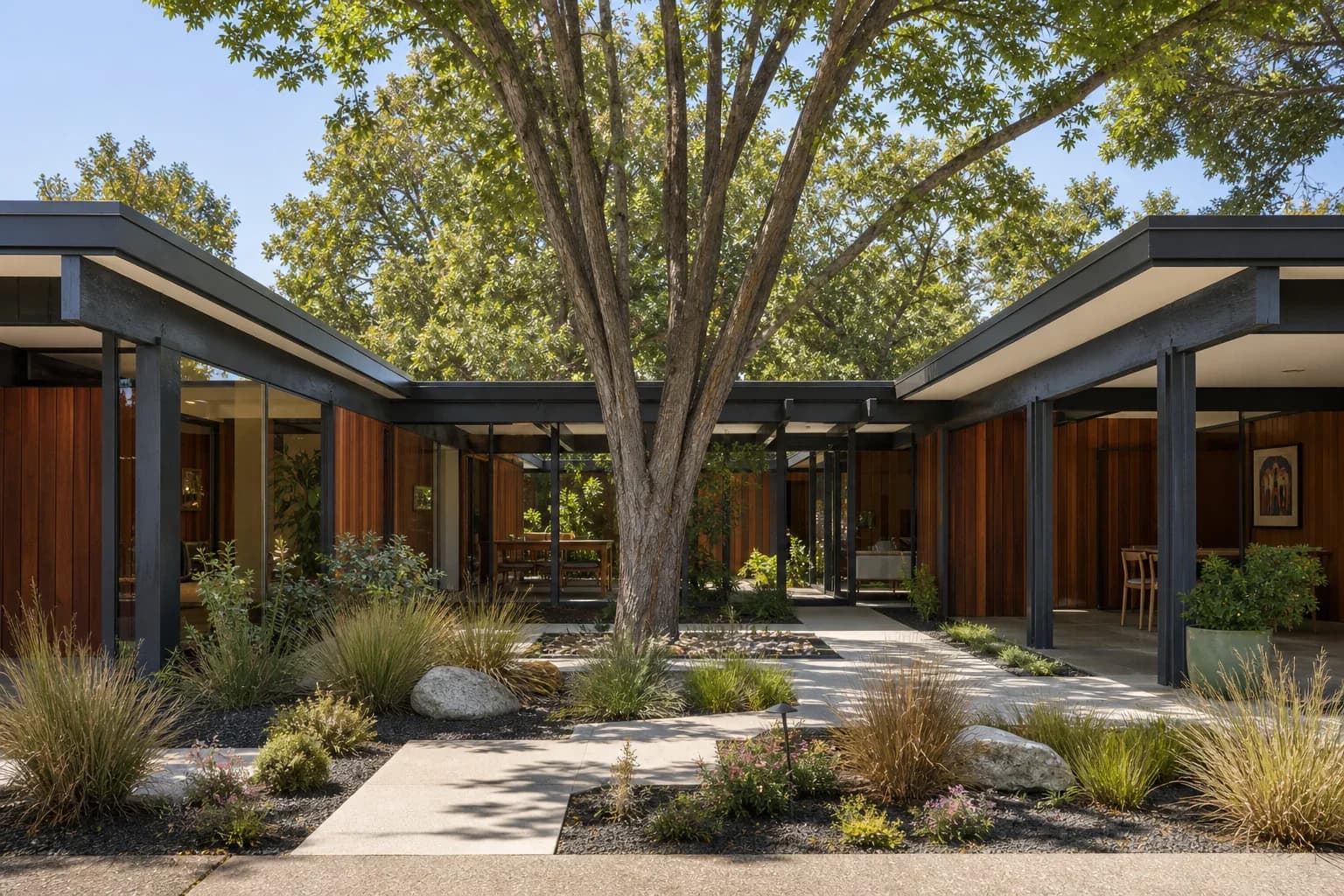
Mountain View sits at the center of Silicon Valley. It is home to Google and minutes from Apple, Meta, and dozens of other tech employers. For buyers evaluating the Mountain View housing market, the city offers walkability, transit access, strong schools, and a range of price points that few neighboring cities can match.
Ready to buy a home in Mountain View? Robert Parish has represented buyers in Silicon Valley for more than 25 years. Visit the buyers page to get started with a confidential consultation.
This guide covers what buyers need to know before making a move. You will find current home prices, a breakdown of condos versus single-family homes, a look at downtown versus residential neighborhoods, commute times to major employers, and practical tips for competing in this market.
See the Mountain View homes for sale and community guide to explore local options alongside this market context.
Why Do Buyers Choose Mountain View?
Mountain View draws buyers for several reasons that go beyond proximity to major tech campuses. The city combines urban walkability, strong transit infrastructure, a diverse housing stock, and a lifestyle that appeals to both young professionals and families.
The city has a vibrant downtown. Castro Street runs through the heart of Old Mountain View. It is lined with restaurants, coffee shops, boutiques, and a weekly farmers market. The Center for the Performing Arts hosts concerts and events year-round. Shoreline Amphitheatre, one of the Bay Area’s premier outdoor venues, sits just north of the city.
Commute infrastructure is strong. The Downtown Mountain View Caltrain (California Train) station connects residents to San Francisco in about an hour. San Jose is roughly 30 minutes south. Valley Transportation Authority (VTA) light rail and bus lines extend into Santa Clara County. Many tech employers run private shuttles that stop near the major campuses.
The housing supply is relatively diverse. Condos and townhomes are available at entry-level price points for the region. Single-family homes range from modest ranch-style properties to fully remodeled luxury estates. That range gives buyers more options than they would find in neighboring Palo Alto or Los Altos.
What Are Mountain View Home Prices in 2026?
Mountain View home prices average $1.9 million to $2.0 million as of early 2026, reflecting the full range of property types. Condos start around $500,000. Single-family homes range from $1.8 million to $3.5 million. Premium properties in top school district zones or renovated luxury neighborhoods can reach $4 million to $6.5 million.
Here is a more detailed breakdown by property type:
- Condos and townhomes: Entry-level condos begin around $500,000. Mid-tier units in well-located complexes range from $800,000 to $1.2 million.
- Single-family homes: Most single-family homes in Mountain View sell between $1.8 million and $3.5 million. Fully remodeled homes in top pockets can exceed $4 million.
- Luxury properties: Premium homes near Cuesta Park, Waverly Park, or Grant-Sylvan Park may list anywhere from $3.5 million to $6.5 million.
Mountain View sits below Palo Alto and Menlo Park in average price, but above many Santa Clara County cities to the south. That relative affordability attracts buyers who want Silicon Valley access without the highest price points on the Peninsula.
For broader market context, our Silicon Valley real estate market forecast covers Peninsula-wide trends, including how AI-driven wealth and rising inventory are shaping 2026 conditions.
Condos vs. Single-Family Homes in Mountain View
The first decision most buyers face is whether to purchase a condo or a single-family home. Each path comes with meaningful trade-offs on price, lifestyle, and long-term value.
Condos and Townhomes
Condos are the most accessible entry point into Mountain View real estate. A one-bedroom unit near downtown can list in the mid-$500,000s. A two-bedroom unit in a newer complex may reach $900,000 to $1.2 million.
The advantages of condo ownership in Mountain View include lower purchase prices, proximity to Castro Street and the Caltrain station, and reduced exterior maintenance responsibilities. Many complexes offer gyms, parking, and secure lobbies.
The trade-offs include homeowners association (HOA) fees, which can run $400 to $700 per month or more depending on amenities. Buyers should review HOA financials carefully. Reserves, pending assessments, and rules about rentals or renovations all affect long-term value.
Competition for well-priced condos near downtown can be intense. Buyers should expect multiple-offer situations on units that are updated, well-managed, and close to transit.
Single-Family Homes
Single-family homes in Mountain View offer more space, yard access, and greater flexibility. They typically hold value well and attract strong demand from families prioritizing school districts and privacy.
Most single-family buyers in Mountain View are looking in the $2 million to $3.5 million range. Competition is highest in this segment. Homes in strong school districts or with recent renovations often sell above asking price within days of listing.
For buyers coming from Palo Alto or Menlo Park searches, Mountain View offers comparable school access and commute times at a meaningfully lower price per square foot.
If you are evaluating specific neighborhoods before committing to a property type, our buyer’s guide to the best neighborhoods in Mountain View covers each area in detail, including school districts, price ranges, and lifestyle fit.
Comparing your options in Mountain View? Robert Parish can walk you through condos, townhomes, and single-family homes that match your budget and priorities. Browse current listings to compare what is available in Mountain View right now.
Which Mountain View Neighborhoods Should Buyers Consider?
Mountain View divides into two distinct living environments: walkable urban districts near downtown and quieter residential neighborhoods to the south and west. Your choice of neighborhood will affect your commute, school district, property type options, and price range significantly.
Downtown and Old Mountain View
Old Mountain View is the most walkable part of the city. Castro Street serves as the social and commercial anchor. Residents can walk to coffee, groceries, restaurants, and transit without a car.
Housing here skews toward condos and mixed-use buildings. Single-family homes exist on the side streets but are less common and carry a premium for the location. Buyers who prioritize urban convenience and shorter commutes by foot or transit favor this area.
Price ranges in Old Mountain View:
- Condos: $800,000 to $1.4 million
- Single-family homes: $1.3 million to $6.5 million depending on size and condition
Central and South Mountain View
Moving south, the character of Mountain View shifts. Neighborhoods like Cuesta Park, Grant-Sylvan Park, and Miramonte-Springer are quieter and more suburban. Streets are tree-lined. Lots are larger. Traffic is lighter.
These neighborhoods attract families and buyers seeking more space. Some southern sections of Mountain View fall within the Los Altos School District, one of the highest-rated districts in California. That school district access is a significant value driver for family buyers.
Single-family homes in central and south Mountain View typically range from $2 million to $4 million. Fully remodeled homes on larger lots can climb above that ceiling.
North Mountain View
The northern edge of Mountain View is closest to the tech campuses. This area borders the Googleplex and is adjacent to Shoreline at Mountain View, a regional park with trails, a lake, and the amphitheater.
Housing inventory here includes a mix of condos, apartment complexes, and some single-family homes. Buyers focused on Google campus proximity sometimes look here first.
Commute Access and Tech Employment
Mountain View’s commute story is one of its strongest selling points for tech workers. Google’s headquarters sits within city limits. Most other major Silicon Valley employers are reachable in 10 to 20 minutes by car. Caltrain access adds a fast, reliable rail option for those commuting north or south.
Google’s main campus in North Bayshore is within city limits. The average drive from most Mountain View neighborhoods to Google is five to fifteen minutes. Many employees walk or bike from nearby areas.
Commute times to other major employers by car:
- Apple (Apple Park, Cupertino): Approximately 10 to 15 minutes south on Foothill Expressway.
- Meta (Menlo Park): Approximately 15 to 20 minutes north on Middlefield Road or Highway 101.
- LinkedIn (Sunnyvale): Approximately 10 minutes east on Highway 237 or Central Expressway.
- Microsoft (Mountain View): Located within Mountain View itself, so commute times are minimal.
Caltrain service from the Downtown Mountain View station makes San Francisco reachable in under an hour. Buyers commuting north or south on the Peninsula often rank Caltrain access as a top priority. Mountain View’s station is served by both local and express trains.
For buyers unfamiliar with the Peninsula’s transit network, the VTA (Valley Transportation Authority) operates light rail and bus lines that connect Mountain View to San Jose, Sunnyvale, and other Santa Clara County destinations.
Schools in Mountain View
Mountain View is served by three school districts, and your home’s specific location determines which district your children attend. The distinction matters significantly for families, and district boundaries do not always align with city or neighborhood boundaries.
- Mountain View Whisman School District: Covers most of Mountain View for kindergarten through eighth grade.
- Mountain View-Los Altos Union High School District: Operates Mountain View High School and Los Altos High School, both well-regarded institutions.
- Los Altos School District: Serves the southern portions of Mountain View for elementary grades. This district is consistently rated among the best in California and is a major draw for families.
Homes in the Los Altos School District zone carry a noticeable price premium. Buyers should verify district boundaries before assuming coverage, as neighborhood lines do not always align with city boundaries.
How Competitive Is the Mountain View Housing Market?
The Mountain View housing market is competitive. Buyers face multiple-offer situations, offers above list price, and limited inventory. Being pre-approved, prepared, and working with an experienced local agent are the most effective ways to compete successfully.
Here is what buyers regularly encounter:
Multiple offers: Well-priced homes in desirable neighborhoods attract several offers within the first week. This is especially true for updated single-family homes priced between $2 million and $3.5 million.
Offers above asking price: Across Santa Clara County, homes are selling at an average of 105.7% of list price. Mountain View’s most sought-after pockets consistently see offers 5% to 15% above asking.
Limited inventory: Mountain View typically has 20 to 30 active listings at any given time. That is relatively modest for a city of over 86,000 residents. New listings move quickly.
Short decision windows: Offer deadlines are common. Buyers who are not preapproved and ready to move quickly often lose to those who are.
For buyers entering this market for the first time, our first-time home buyer guide for Silicon Valley covers how to prepare financially, work with a local agent, and compete effectively in a fast-moving market.
Frequently Asked Questions About the Mountain View Housing Market
What is the average home price in Mountain View, CA?
The average home price in Mountain View is approximately $1.9 million to $2.0 million as of early 2026. Condos and townhomes start around $500,000. Single-family homes typically range from $1.8 million to $3.5 million. Luxury properties in premium neighborhoods or top school districts can exceed $4 million to $6.5 million.
Is Mountain View a good place to buy a home?
Mountain View is one of the strongest places to buy a home in Silicon Valley. It offers direct access to Google’s campus, good Caltrain connectivity, a walkable downtown, and multiple school districts including the highly rated Los Altos School District. The city’s housing supply is diverse, with options from condos to luxury estates, making it accessible at a range of budgets relative to neighboring Palo Alto.
What is the Mountain View housing market like for buyers in 2026?
The Mountain View housing market in 2026 is competitive. Homes sell at approximately 105.7% of list price on average. Active inventory is limited to around 20 to 30 listings at any given time. Well-priced single-family homes in desirable school districts often receive multiple offers within the first week. Buyers benefit from getting pre-approved before beginning their search.
Which school district covers Mountain View?
Mountain View is served by three districts. Mountain View Whisman School District covers most of the city for grades K through 8. Mountain View-Los Altos Union High School District operates the city’s high schools. The Los Altos School District serves the southern portions of Mountain View for elementary grades. Homes in the Los Altos School District zone carry a price premium and attract significant family buyer interest.
How far is Mountain View from major tech employers?
Mountain View is exceptionally well-positioned for tech workers. Google’s campus is within city limits. Apple Park in Cupertino is approximately 10 to 15 minutes south. Meta in Menlo Park is about 15 to 20 minutes north. LinkedIn in Sunnyvale is 10 minutes east. Microsoft has offices within Mountain View itself. Caltrain connects residents to San Francisco in under an hour.
Working with a Local Expert in Mountain View
The Mountain View housing market rewards preparation and local knowledge. Pricing strategies, off-market opportunities, neighborhood-specific trends, and negotiation tactics all vary block by block.
Robert Parish has specialized in Silicon Valley real estate for more than 25 years. He brings a rare combination of hyperlocal market expertise and active California attorney licensure to every transaction. That legal background is particularly valuable in complex purchases, including trust sales, limited liability company (LLC) transactions, and 1031 exchanges (a tax-deferred strategy for investors trading one property for another).
Compass, the brokerage Robert Parish is affiliated with, is the nation’s number one independent brokerage. It offers buyers access to private exclusive listings, advanced search tools, and a network of agents with deep Peninsula knowledge.
For a confidential consultation on buying a home in Mountain View, contact Robert directly. Whether you are comparing condos downtown or evaluating single-family homes near a specific school district, having the right guidance from the start can save you time and significant money.
The Mountain View real estate market moves fast. The buyers who succeed are the ones who come prepared.