Sell Your Palo Alto Home for Top Dollar
Learn how to sell your Palo Alto home for top dollar with pricing, preparation, marketing and negotiation guidance from Robert Parish.
April 9, 2026 · 14 min read · Selling · Property guides
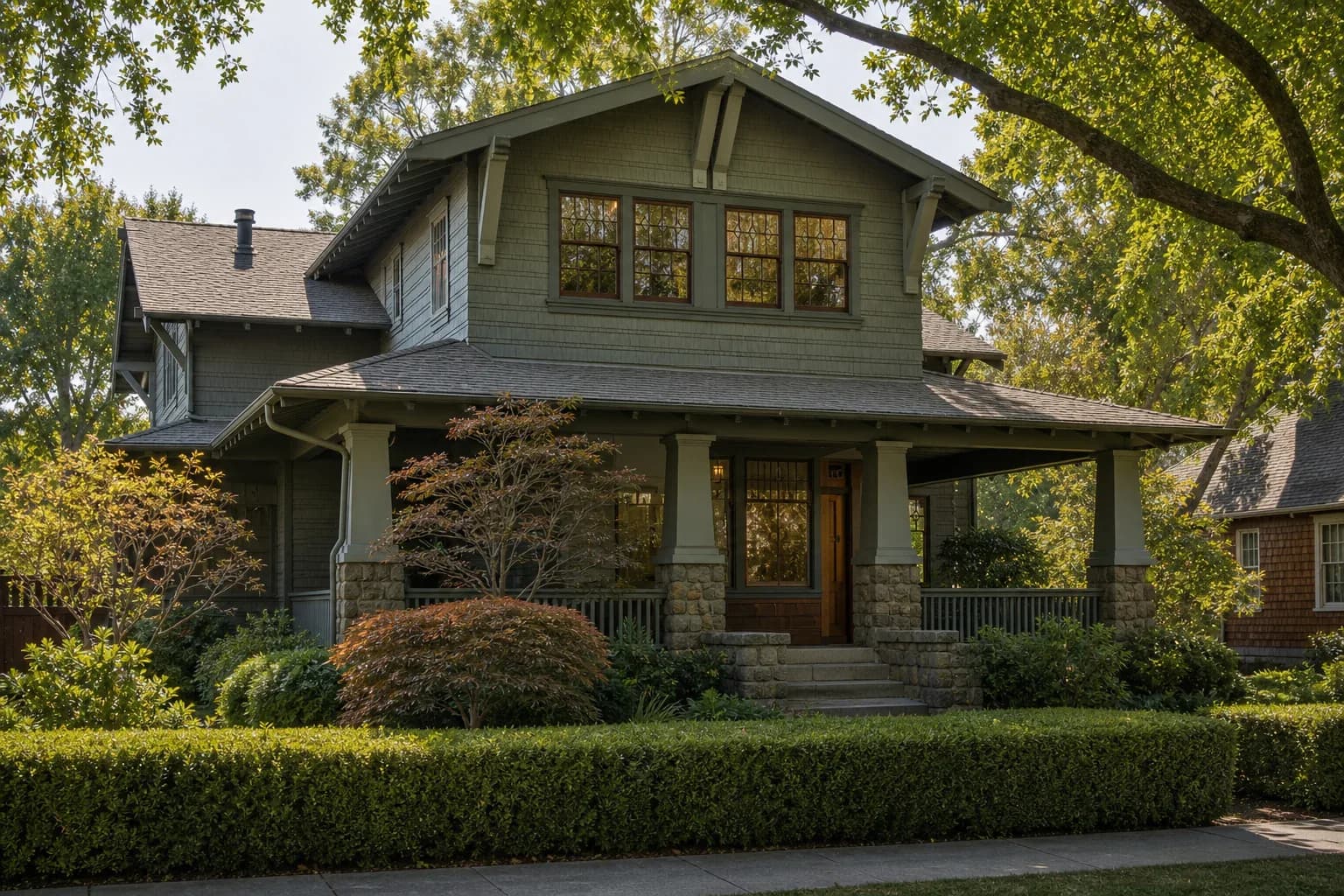
Palo Alto home sellers sit in one of the strongest positions in American real estate. Median sale prices hover near $3.5 million. More than half of all listings close above asking price. Homes spend fewer than two weeks on the market before going under contract. Yet top dollar is not automatic. The sellers who capture the highest prices are the ones who prepare with precision, price with data, and market with intention. This guide walks you through the process of selling a home in Palo Alto, step by step, so you can maximize your return and minimize your stress.
Key Takeaways
- Preparation supports positioning. For eligible sellers, Compass Concierge may fund approved pre-sale improvements, subject to program terms.
- Pricing requires precision. In a market where homes routinely sell above list price, setting the right asking price is both an art and a science. A data-driven Comparative Market Analysis is your most important tool.
- Timing and staging matter. Spring remains the strongest season, and professional staging can shorten your days on market while boosting perceived value.
- Negotiation protects your profit. With multiple offers common in Palo Alto, an experienced agent can structure the process to extract the best price and terms.
Understand the Palo Alto Seller’s Market
Before listing your home, you need to understand the market you are entering. Palo Alto is not a typical market. It is a supply-constrained environment where buyer demand consistently outpaces available inventory.
Current Market Snapshot
The numbers tell the story. The median sale price in Palo Alto currently sits near $3.5 million, with year-over-year appreciation of approximately 2% to 27% depending on the property type and neighborhood. The sale-to-list price ratio is above 103%, meaning the average home sells for more than its asking price. Roughly half of all homes sell above list price, and the median days on market is under two weeks for well-priced properties.
Housing supply remains tight at approximately two months of inventory. For context, a balanced market typically has five to six months of supply. With only about 60 active listings at any given time, Palo Alto remains firmly in seller-friendly territory.
What Drives Demand
Several factors sustain this market:
- Stanford University anchors the southern edge of the city, creating perpetual demand from faculty, researchers, and affiliated professionals.
- Technology employers including Google, Apple, Meta, and countless startups draw high-income buyers to the Peninsula.
- Top-rated schools in the Palo Alto Unified School District consistently rank among the best in California.
- Limited land and restrictive zoning mean new housing supply cannot keep pace with demand.
Understanding these dynamics helps you position your home to attract the right buyers and command the highest price.
Prepare Your Home Before You List
The biggest mistake sellers make is rushing to market without proper preparation. In Palo Alto, where buyers have high expectations and deep pockets, presentation is everything. A well-prepared home attracts more showings, generates stronger offers, and sells faster.
Use Compass Concierge for Pre-Sale Improvements
One resource available to Palo Alto sellers is the Compass Concierge program. For eligible sellers, Concierge may fund approved home improvements before listing. Approval, repayment events, fees or interest, and other program terms apply.
This removes the financial barrier to preparation. Common Concierge-funded improvements include:
- Interior and exterior painting
- Kitchen and bathroom updates
- Flooring replacement
- Landscaping and curb appeal upgrades
- Professional staging
- Deep cleaning and decluttering services
The return on these investments is substantial. A minor kitchen refresh can deliver over 100% ROI. New exterior paint and updated landscaping create the curb appeal that gets buyers out of their cars and through your front door.
Prioritize High-ROI Improvements
Not every renovation is worth the investment. Focus on projects that deliver the strongest return in the Palo Alto market:
| Improvement | Typical ROI | Why It Works |
|---|---|---|
| Entry door replacement | 150-200% | First impression; signals quality |
| Minor kitchen remodel | 90-110% | Buyers scrutinize kitchens first |
| Bathroom refresh | 70-90% | Clean, modern baths sell homes |
| Exterior paint | 100%+ | Immediate curb appeal lift |
| Professional staging | 5-15% price lift | Helps buyers envision the space |
Avoid over-improving for your neighborhood. A smart guideline is to invest no more than 8 to 12% of your home’s current value on pre-sale improvements. Your home valuation should anchor every spending decision, and our analysis of Palo Alto home remodels and resale value shows where the ceiling usually sits.
Handle Inspections Proactively
In the Peninsula market, pre-sale inspections are standard practice. Ordering your own pest, roof, and general home inspection before listing accomplishes two things. First, it removes the fear of the unknown for buyers, which encourages stronger offers with fewer contingencies. Second, it gives you the chance to address issues on your own terms rather than under the pressure of a buyer’s inspection deadline.
Buyers who enter a contract knowing the home’s condition are far less likely to renegotiate or back out.
Price Your Home Strategically
Pricing is the single most consequential decision you will make as a seller. In Palo Alto, where the margin between a well-priced home and an overpriced one can mean weeks of additional market time and thousands of dollars left on the table, this decision requires data, experience, and local expertise.
The Comparative Market Analysis
A Comparative Market Analysis, or CMA, is the foundation of your pricing strategy. Your agent should analyze recent closed sales of comparable properties, adjusting for differences in square footage, lot size, condition, neighborhood, and upgrades. In Palo Alto, even small differences matter. A home on a quiet Crescent Park street commands a different price than a similar home near a busy corridor, even if the square footage is identical.
The Psychology of Pricing
With sale-to-list ratios above 103% in Palo Alto, many sellers benefit from a strategic pricing approach. Listing slightly below a key psychological threshold can generate more interest, more showings, and more offers. Multiple offers create competition, and competition drives the final price above where a higher list price might have landed.
This does not mean underpricing your home. It means pricing at a level that maximizes buyer engagement. The goal is to create a sense of opportunity that motivates serious buyers to act quickly and bid aggressively.
Price by Neighborhood
Palo Alto is not a monolithic market. Each neighborhood carries its own pricing dynamics:
- Old Palo Alto and Crescent Park attract buyers seeking pre-war architecture and tree-lined streets. Homes here routinely exceed $5 million.
- Professorville draws Stanford-affiliated buyers who value walkability to campus and historic character.
- Midtown offers more accessible entry points while maintaining proximity to the California Avenue shopping district and Caltrain.
- Barron Park and Charleston provide relative value with larger lots, appealing to families who want space without leaving the Palo Alto school district.
Your CMA should reflect these micro-market differences. Working with an agent who has deep Palo Alto expertise ensures your pricing accounts for the nuances that generic valuation tools miss.
Stage Your Home for Maximum Impact
Professional staging is not optional in the Palo Alto luxury market. It is a competitive necessity. Staged homes sell faster and for higher prices than unstaged homes, and in a market where buyers expect a polished, move-in-ready presentation, skipping this step puts you at a disadvantage.
What Professional Staging Achieves
Staging does more than make a home look attractive in photographs. It accomplishes several strategic objectives:
- Defines the space. Empty rooms feel smaller. Staged rooms show buyers how to use the space, making it feel larger and more functional.
- Creates emotional connection. Buyers make decisions emotionally and justify them logically. A staged home helps them picture their own life in the space.
- Highlights architectural features. A skilled stager draws attention to vaulted ceilings, natural light, fireplaces, and other premium features that justify a high price.
- Minimizes perceived flaws. Strategic furniture placement can minimize awkward layouts or dated elements.
Staging Tips for Palo Alto Homes
The Palo Alto buyer typically values clean lines, natural light, and a blend of modern function with classic warmth. Here are guidelines that resonate with this market:
- Neutral palette. Whites, soft grays, and warm wood tones create a blank canvas that appeals to a broad audience.
- Maximize natural light. Open all blinds and use sheer window treatments. Palo Alto’s abundant sunshine is one of your home’s best selling points.
- Declutter ruthlessly. Remove personal photos, collections, and excess furniture. Buyers want to see the home, not your life in it.
- Stage outdoor spaces. Peninsula buyers value outdoor living. A staged patio or garden area extends the home’s perceived livable space.
- Highlight tech-ready features. In Silicon Valley, buyers notice smart home systems, high-speed wiring, and energy-efficient upgrades.
Time Your Listing for Peak Demand
When you list matters. While Palo Alto’s market is active year-round, seasonal patterns influence buyer behavior, competition, and final sale prices.
Spring: The Prime Selling Season
March through May is traditionally the strongest window for Palo Alto home sellers. Buyers are motivated by school enrollment deadlines. Gardens are in bloom, creating natural curb appeal. Longer days mean more evening showings. Inventory is higher, but so is demand, and well-prepared homes benefit from the increased buyer pool.
Early Fall: The Second Window
September and early October bring a second wave of motivated buyers. Those who missed out during the spring rush return with urgency before the holiday slowdown. Competition from other sellers may be lower, which can work in your favor.
Summer and Winter Considerations
Summer can slow as families travel, though Palo Alto’s tech-driven buyer base is less affected by traditional seasonal patterns than suburban markets elsewhere. Winter, particularly around the holidays, sees the lowest activity. However, listing in a slower season means less competition, and buyers who are active during the holidays tend to be highly motivated.
Market Timing Beyond Seasons
Beyond seasonal patterns, pay attention to interest rate movements, tech industry hiring cycles, and broader economic signals. A skilled real estate advisor monitors these factors continuously and can recommend the optimal listing window for your specific situation. If you are still deciding, review the signs that now is the time to sell.
Navigate Multiple Offers and Negotiation
In a market where multiple offers are common, how you manage the offer process determines whether you capture top dollar or leave money on the table.
Set an Offer Deadline
When buyer interest is strong, setting a specific offer deadline creates structured competition. This gives all interested parties the same window to submit their strongest offer, preventing a drawn-out negotiation that can fizzle buyer enthusiasm.
Evaluate Offers Beyond Price
The highest offer is not always the best offer. Evaluate each offer across multiple dimensions:
- Contingencies. A clean offer with no inspection or financing contingencies carries less risk than a higher offer loaded with conditions.
- Proof of funds. Cash offers or buyers with strong pre-approval letters from reputable lenders are more likely to close.
- Closing timeline. A buyer who can close on your preferred timeline adds tangible value beyond the price.
- Escalation clauses. Some buyers include automatic escalation up to a cap. Understand how these work and whether they serve your interests.
Protect Your Position
As a licensed California attorney (non-practicing) with over 25 years of Peninsula experience, I bring legal precision to every negotiation. Every clause in the purchase agreement has consequences. Inspection timelines, contingency removal dates, deposit amounts, and repair credits all affect your net proceeds and your risk. I manage the strategy, protect your position, and ensure every communication lands the right way. This is especially valuable in high-stakes transactions common in Palo Alto’s luxury neighborhoods.
What Palo Alto Sellers Should Expect
Selling a home is a process with distinct phases. Knowing what to expect removes uncertainty and helps you make better decisions at each stage.
The Selling Timeline
A typical Palo Alto home sale follows this timeline:
- Pre-market preparation (2 to 6 weeks): Improvements, inspections, staging, professional photography, and marketing material preparation.
- Active marketing (1 to 2 weeks): Your home goes live on the MLS, Compass.com, and targeted digital channels. Open houses and private showings generate buyer interest.
- Offer review (3 to 7 days): After an offer deadline, your agent presents all offers and helps you evaluate and counter.
- Under contract (2 to 4 weeks): Contingency periods, buyer inspections, appraisal, and title work.
- Closing (1 day): Sign documents, transfer title, receive proceeds.
From initial preparation to closing, most Palo Alto sellers complete the process in 6 to 10 weeks.
Costs of Selling
Understand the costs involved so you can calculate your true net proceeds:
- Agent commission: Negotiated between seller and agent.
- Closing costs: Title insurance, escrow fees, transfer taxes, and prorated property taxes.
- Pre-sale improvements: Compass Concierge may fund approved work for eligible sellers, subject to program terms.
- Staging and photography: Often included in your agent’s marketing plan.
A detailed net proceeds estimate, prepared by your agent before listing, ensures there are no surprises.
Work with a Local Expert
Palo Alto real estate rewards local expertise. The agent you choose should know the difference between pricing a home in Old Palo Alto versus Midtown. They should have a track record of handling multiple-offer situations and the negotiation skills to protect your interests through closing.
With 25+ years serving Peninsula buyers and sellers, a legal background, and Compass’s technology platform, I offer direct, principal-level involvement in every transaction. No hand-offs to junior agents. No team-based dilution. When you work with me, you get one experienced advisor from the first conversation to the close of escrow.
Whether you are a longtime Palo Alto homeowner thinking about your next chapter or a tech executive ready to make a move, the first step is understanding what your home is worth. From there, we build a strategy designed to get you top dollar. Start by exploring Palo Alto homes for sale to see current inventory and recent sales.
Frequently Asked Questions
What is the best time of year to sell a house in Palo Alto?
Spring, specifically March through May, is the strongest season for Palo Alto home sellers. Buyer activity peaks as families plan around school enrollment. However, well-prepared homes sell well year-round in this market. An experienced agent can recommend the ideal window based on your specific property and circumstances.
How long does it take to sell a home in Palo Alto?
Well-priced, well-prepared homes in Palo Alto typically go under contract within one to two weeks. From preparation to closing, the entire process usually takes six to ten weeks. Homes that are overpriced or poorly presented can take significantly longer.
Should I make repairs before selling my home in Palo Alto?
Yes. Pre-sale improvements can improve presentation and buyer confidence. For eligible sellers, Compass Concierge may fund approved painting, staging, repairs, and other updates. Approval, repayment events, fees or interest, and other program terms apply.
How do I price my home correctly in Palo Alto?
Pricing starts with a Comparative Market Analysis of recent sales in your neighborhood. In Palo Alto, where more than half of homes sell above list price, strategic pricing can generate multiple offers and drive the final price higher. Work with an agent who knows the micro-market differences between neighborhoods like Old Palo Alto, Midtown, and Barron Park.
What is Compass Concierge and how does it help sellers?
Compass Concierge may fund approved home improvements for eligible sellers before a sale. Common uses can include painting, staging, landscaping, kitchen updates, and flooring. Approval, repayment events, fees or interest, and other program terms apply.