Homes Near Sand Hill Road Menlo Park: Buyer Guide
Schedule a private consultation about homes near Sand Hill Road Menlo Park. Compare access, setting, property fit, and buyer strategy with confidence.
June 22, 2026 · 11 min read · Buying · Property guides
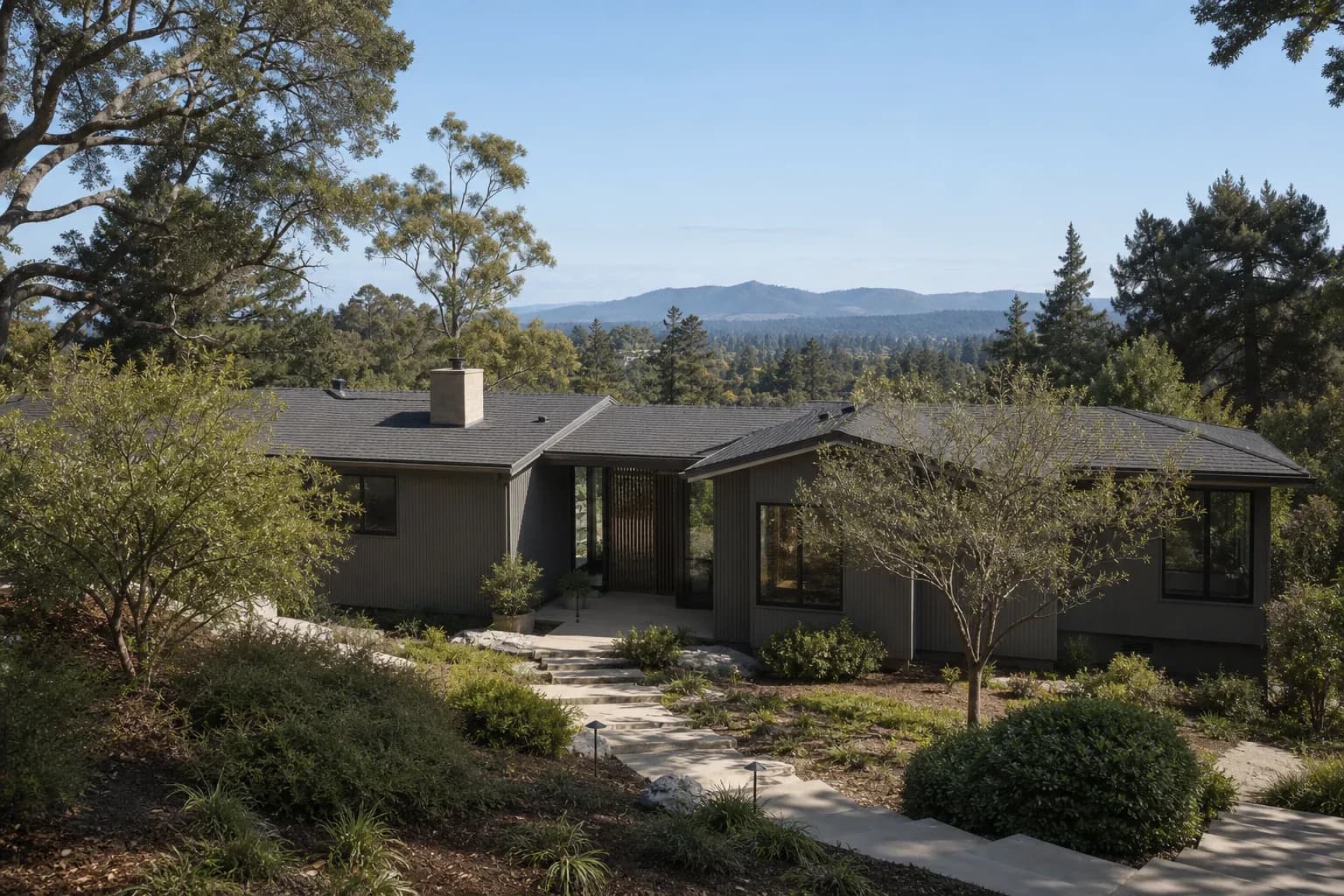
Buying near Sand Hill Road is a study in small but meaningful differences. Two nearby homes can offer very different settings, routes, and ownership experiences.
Call Robert Parish at 650-400-1011 to discuss your Menlo Park home search.
Buyers considering homes near Sand Hill Road Menlo Park should compare more than architecture and price. The strongest search starts with daily routes, preferred settings, privacy needs, and long-term plans. It then moves to property-level review, including disclosures, site conditions, renovation history, and future flexibility.
This guide explains how to evaluate the area with care. It also shows how local representation can turn broad preferences into a practical plan.
Why consider homes near Sand Hill Road Menlo Park?
Sand Hill Road is a prominent Menlo Park corridor. Surrounding residential areas appeal to buyers who value access and a refined California setting. The location can support trips toward central Menlo Park and Palo Alto. Yet the buyer experience depends greatly on the specific street, route, and lot.
A location with several distinct settings
There is no single definition of a home “near” Sand Hill Road. A buyer may prefer a quiet interior street within a short drive. Another may prioritize the most direct route to daily destinations. Both choices can be sensible, but they solve different needs.
Start by defining what proximity means for you. It may mean easy morning access or a preferred relationship to downtown destinations. This simple definition keeps the search focused. Review Robert Parish’s Menlo Park community guide for broader local context.
Micro-location matters
Street orientation, nearby intersections, lot shape, and surrounding homes can all affect daily life. Visit promising properties at more than one time of day. Observe traffic flow, light, sound, and the ease of entering and leaving the street.
The guide to Menlo Park neighborhoods provides another useful comparison point. Use it to identify settings that deserve a closer look.
Comparing residential settings near Sand Hill Road
The best setting is personal. Some buyers want direct access and a clear route. Others place greater weight on privacy, a deeper lot, or an interior position. A useful comparison considers how each setting performs during an ordinary week, not just during a brief tour.
| Buyer priority | What to evaluate | Useful test |
|---|---|---|
| Convenient access | Turns, intersections, and alternate routes | Drive key routes at normal travel times |
| Privacy | Setback, sightlines, and neighboring uses | Walk the lot and view each boundary |
| Quiet setting | Street position and nearby activity | Visit during morning and evening periods |
| Future flexibility | Lot layout, improvements, and local rules | Review records with qualified advisers |
Interior streets and direct routes
An interior street may feel removed from a busy route, but it can add turns to each trip. A more direct location may simplify travel while bringing different sound considerations. Neither is automatically better.
Compare each home against the same priorities. A written scorecard can prevent one impressive feature from distracting you from daily fit. The Menlo Park homes-for-sale guide can help frame that scorecard.
Homes are not interchangeable
Architecture, condition, landscaping, and past improvements vary throughout Menlo Park. Even similar floor plans may feel different because of light and views. Evaluate the complete property rather than relying on a neighborhood label.
How should buyers evaluate commute and access?
A map gives distance, not lived experience. Route convenience can change with the time, direction, and starting point. Buyers should test the trips that matter to their household. This direct review turns an abstract location benefit into practical evidence before making a commitment.
Build a route checklist
List the destinations used most often. Include work, appointments, errands, and regular visits. Then test the primary route and at least one alternative from each serious property.
- Drive the route during a relevant weekday period.
- Note difficult turns and recurring bottlenecks.
- Test access in both directions.
- Consider how visitors and service providers will arrive.
- Repeat important tests before removing key contingencies.
Separate convenience from assumptions
A short route on paper may not be the easiest route in practice. An extra turn may be a fair trade for a preferred setting. The goal is not a perfect route. It is to understand the trade before buying.
A local Realtor can help frame these questions. Buyers should still verify the routes and conditions that matter to them. The Menlo Park executive buyer guide offers added planning ideas.
Review current homes for sale and build a focused shortlist.
What should you inspect beyond the home itself?
A well-presented home can make a strong first impression. Sound decisions require a wider review of the entire opportunity. The site, improvements, records, and nearby setting can shape both use and future plans. A careful buyer separates visible appeal from facts that require professional review.
Review the site and its surroundings
Walk the full property when possible. Study drainage patterns, grading, mature landscaping, retaining features, and neighboring lots. Ask qualified inspectors to assess concerns within their expertise.
Notice how the property feels from each room and outdoor area. Privacy can change by season or time of day. A thoughtful review considers existing sightlines and likely patterns of use.
Understand improvements and records
Renovations can add value and comfort, but buyers should understand what changed. Review available disclosures, permits, plans, invoices, and inspection reports. Ask direct questions when the record is unclear.
Do not assume a polished improvement resolved every underlying issue. A qualified inspection team can help evaluate systems, workmanship, and remaining maintenance needs.
Consider future plans early
If future changes matter, discuss them before making assumptions. Lot configuration, existing structures, and local requirements may affect what is practical. Buyers should consult appropriate design, engineering, and legal professionals for project-specific advice.
Homes near Sand Hill Road Menlo Park search strategy
A disciplined search begins before the right listing appears. Clear priorities help buyers act decisively while keeping important protections in view. The process works best when every property receives the same structured review. That consistency makes meaningful differences easier to recognize.
- Define the daily-life goal. Write down the routes, setting, space, and privacy needs that matter most.
- Separate needs from preferences. Identify essential features and those that can change later.
- Set the decision framework. Agree on financial limits, review standards, and required conditions.
- Monitor the market consistently. Use the homes-for-sale search to review current opportunities.
- Tour with the same scorecard. Compare properties using consistent criteria.
- Complete careful due diligence. Review disclosures, inspections, records, and property-specific concerns.
Use broad criteria at first
A search that is too narrow may hide useful comparisons. Start with a reasonable area and several property types. Early tours reveal which trade-offs feel acceptable in person.
Tighten the search with evidence
After several tours, refine the criteria. Buyers often discover that one priority matters more than expected. A good search plan changes when new evidence supports the change.
The Menlo Park real estate buyer guide can support this refinement. Keep your scorecard beside it while comparing opportunities.
How can buyers prepare to negotiate with confidence?
Strong negotiation starts with preparation. The goal is not simply to win an offer. The goal is to secure the right home on sensible terms. Buyers gain clarity by understanding the property, their priorities, and their tolerance for uncertainty before deciding on an approach.
Know the property before setting terms
Review available disclosures and relevant market context before deciding how to proceed. Identify which questions remain open. The offer should reflect both the property’s appeal and the buyer’s tolerance for uncertainty.
Financing readiness also matters. Buyers should coordinate with their lender early and understand each proposed term. Specific advice should come from appropriate financial and legal professionals.
Keep the decision disciplined
Competition can create pressure, but urgency should not replace judgment. Set limits before negotiations become emotional. Revisit the buyer’s original goals when terms change.
Robert Parish brings more than 25 years of real estate experience to buyer representation. His background as a licensed California attorney, not currently practicing, also informs his strategic negotiation approach. Learn more about his real estate negotiation experience.
How do you choose a home for long-term fit?
A home should work for the present while offering reasonable flexibility. Buyers can improve long-term fit by thinking beyond staging and current needs. Durable value begins with traits that support daily life. It also depends on a realistic plan for upkeep, improvements, and future use.
Test the floor plan against real routines
Imagine a normal weekday and weekend in the home. Consider work areas, guest needs, storage, outdoor use, and movement between rooms. A beautiful room may add less value if it does not support daily life.
Distinguish fixable issues from lasting traits
Finishes can often change. Lot position, street setting, and many structural traits are harder to alter. Buyers should avoid focusing on cosmetic details while overlooking permanent characteristics.
Plan for stewardship
Luxury properties can require ongoing care. Review likely maintenance needs and near-term projects. Build a realistic ownership plan with qualified advisers before making a final decision.
No property offers certainty about future value. Careful selection can still support a buyer’s goals. Robert’s guiding principle is simple: Helping clients create equity with every transaction.
Talk with Robert about location, property fit, and negotiation strategy.
Frequently asked questions
What does near Sand Hill Road mean for a home search?
It depends on the buyer’s goal. Proximity may mean direct access, a short drive, or a preferred residential setting nearby. Define the daily-life benefit first, then set the search area.
Should buyers visit a property more than once?
Yes, when practical. Visits at different times can reveal changes in light, sound, traffic, and neighborhood activity. A second visit also supports a more measured review.
How can buyers compare two very different homes?
Use the same written scorecard for both. Compare location, daily routes, property condition, privacy, future flexibility, and financial fit. Weight each category based on your priorities.
When should buyers start reviewing disclosures?
Review available disclosures as early as practical. Early review can clarify questions, shape inspection plans, and support informed offer terms. Consult qualified professionals when a concern needs specialized advice.
Why work with a local Realtor?
A local Realtor can translate broad preferences into a focused search. The Realtor can also help compare opportunities, organize due diligence, and develop a negotiation strategy.
A practical viewing-day checklist
Viewing day should test the property against your real priorities. Arrive with enough time to observe the street before entering. Notice the approach, nearby activity, parking, and adjacent properties. These details often matter more after the first impression fades.
Before the tour
Review listing materials and write down unanswered questions. Bring your priority scorecard. Confirm which areas you can inspect, and ask whether relevant reports are available. A prepared buyer spends less time reacting and more time learning.
- Check the route from a frequent destination.
- Observe the street from more than one direction.
- Look at lot boundaries and neighboring sightlines.
- Ask about the age and condition of major systems.
- Record concerns for later professional review.
During and after the tour
Move through the home in the order you would use it. Consider whether bedrooms, work areas, storage, and outdoor spaces support your routines. Look beyond furniture and finishes.
Write observations before touring the next home. Separate facts from impressions. Then compare the property with your criteria and financial plan. For more preparation, use the California Peninsula home-buying checklist.
Ready to explore Menlo Park opportunities?
Robert Parish helps buyers compare homes, settings, and terms with a disciplined local strategy. His approach combines experience, careful preparation, and results-oriented negotiation. Buyers receive principal-led guidance through each important decision.
Call Robert Parish at 650-400-1011 to schedule a private buyer consultation.