Luxury Home Due Diligence Silicon Valley
Schedule a luxury home due diligence Silicon Valley consultation for estates in Atherton. Inspections, disclosures, and zoning checks for high-end buyers.
July 23, 2026 · 18 min read · Buying · Property guides
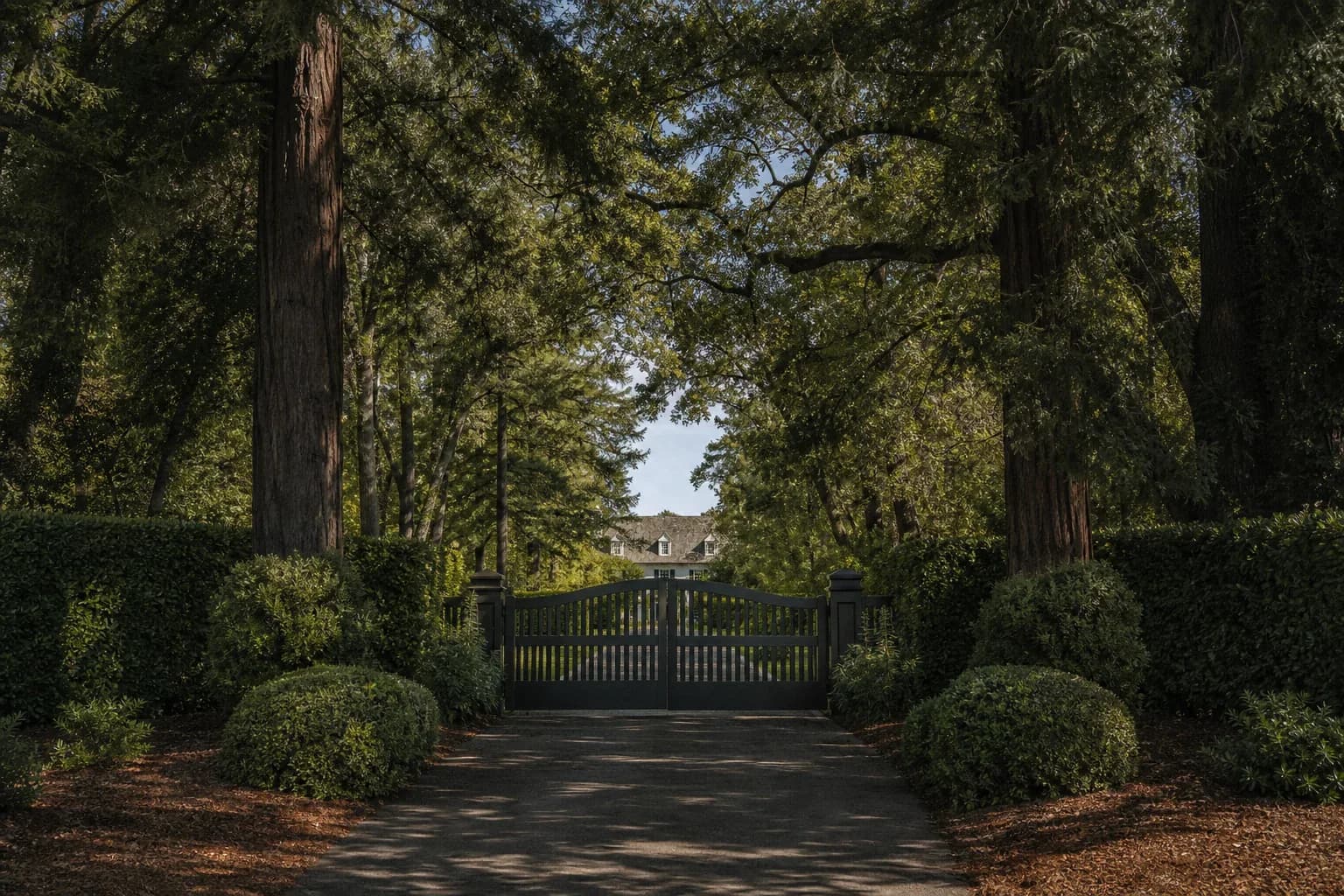
Buying a ten million dollar estate in Atherton requires far more than a standard home inspection. With low inventory on the Peninsula, hasty decisions often lead to expensive zoning or structural errors.
A complete luxury home due diligence Silicon Valley plan protects buyers from hidden zoning limits and complex title issues. It also covers costly structural repairs. Under standard California rules, buyers have a default seventeen day window to inspect physical systems. They must also check town codes and confirm the property’s legal status. Because these Peninsula deals often exceed three million dollars, buyers must closely check local environmental hazards and the property’s permit history. This deep process is crucial in a fast market where thirty to thirty-five percent of sales are cash deals. Working with a skilled expert helps ensure you find every key detail before you remove your contingencies in writing. Taking these steps protects your investment and ensures you know exactly what you are buying during a Silicon Valley luxury home search.
Call 650-400-1011 to speak with Robert Parish about your luxury home purchase and due diligence strategy today.
To protect your capital under tight deadlines, you must understand the exact milestones required during your inspection window. This section maps out the crucial period so you can plan effectively.
The Luxury Due Diligence Timeline: 17 Days That Matter
A commonly used California purchase agreement provides a 17-day inspection period unless the parties write different terms. That window may run concurrently with the agreement’s seller-disclosure timeline. In a market where homes sell in eight to ten days, every hour counts.
The Silicon Valley housing market moves very fast. In Santa Clara and San Mateo counties, homes often sell in just eight to ten days. This speed puts high pressure on the deal from the start. When you buy a high-value estate, you must manage your time well. Planning the thorough due diligence Silicon Valley luxury home buyers expect requires a strict schedule to protect your assets.
The Pace of a Fast Market
Local home buyers must act quickly when they find a property. A fast pace makes planning many site visits hard. Buyers need to line up inspectors before they even write an offer. Doing this early is vital to get clear reports in a tight window. With short market times, you cannot waste a single day. Working with an expert agent helps buyers stay ahead of the clock.
Key Milestones under the Contract
Common California purchase-agreement terms may provide three days for the buyer’s deposit, seven days for seller disclosures, and 17 days for inspections and insurance review. Those are contractual terms, not universal deadlines, and the signed agreement controls. Because the timelines often run at the same time, every day is key during the escrow and inspection process. The California Department of Real Estate provides broader background on residential transactions and disclosures.
Disclosures from the seller can reveal complex issues. These files often need more follow-up tests on the home. If you find a problem on day ten, you have only one week to do more reviews. Buyers must use this time to get bids for any needed repairs. This data helps you ask for credit or price cuts before your rights expire. It also gives you the facts needed to walk away if the problems are too big.
Call 650-400-1011 to schedule a consultation with Robert Parish and get clarity on your due diligence timeline.
Contingency Removal and Closing
A California purchase agreement may target a closing around 30 days after acceptance, but the parties can negotiate a different schedule. The timing of contingency removal and the remaining period before closing therefore vary by contract. Removing contingencies can narrow a buyer’s contractual cancellation rights and may place the deposit at risk if the buyer later fails to close without another contractual basis. Buyers should understand the written terms and obtain legal advice when needed before removing those protections.
Common California Association of Realtors purchase forms call for written contingency removal, often through the CR form, but the signed agreement controls the required process. The agreement also determines whether and when the buyer may conduct a final verification of condition before closing. That visit helps confirm the property remains in the expected condition; it is not a substitute for inspections or a new contingency.
What Property Inspections Do Luxury Estates Need?
Luxury estates require a multi-specialist inspection team covering structural integrity, sewer lines, pool systems, guest structures, geotechnical soil stability, and smart home automation. Total inspection costs for Peninsula estates typically range from $8,000 to $45,000 depending on property size and complexity.
Buying a high-end estate in Silicon Valley demands a deep check beyond what a standard home inspection covers. Under standard contract rules, you have a set window to run these checks. You can read about these rules in the California Department of Real Estate Reference Book.
In the luxury market, this work needs a team of experts. Because of this deep scope, total costs for luxury property inspections often range from $8,000 to $45,000. This outlay helps you find major physical defects before you buy.
What a luxury home check covers
A complete review goes far beyond the walls of the main house. Key areas to inspect include:
- General building structure and foundation integrity.
- Sewer lateral scope for cracks or root intrusion.
- Pool, spa, and any guest house or accessory structures.
- Geotechnical and soil stability for hillside properties.
- Smart home automation systems such as Control4 or Crestron.
Each structure on a large estate has its own set of risks. Leaving out these areas can lead to high repair bills later. Are you planning to buy a home in Menlo Park? Starting a thorough due diligence process for luxury homes is the safest way to guard your investment.
Soil and ground checks for hillside homes
Hillside homes need extra care because of local ground risks. This is true for estates in Woodside and Los Altos Hills. For these areas, geotechnical and soil checks are vital to find seismic and ground risks. Shifting soil or sliding hills can cause massive damage to a home. You must hire an expert to assess the hillside before you remove your contingencies.
An expert will look at past slides and test the soil strength. They check if the home’s foundation rests on solid bedrock or weak dirt. This step is a vital part of due diligence on Woodside hillside parcels. Knowing the state of the land prevents costly surprises. It also helps you plan for future yard and building projects on the land.
Smart home system checks
Modern estates rely on highly complex technology. Custom luxury homes often feature whole-home automation systems like Control4 or Crestron. These setups run the lights, sound, heating, and locks. A standard home inspector will not know how to test these advanced systems. You need a skilled tech to check every panel and connection.
A full cyber and system check will find any broken gear or old software. It also makes sure the networks are safe from hacking risks. If these systems fail, fixing them can cost thousands of dollars. Testing them during your active inspection window protects you from these hidden costs.
Seller Disclosures and Buyer Protections in California
California law requires applicable seller and natural-hazard disclosures, while the purchase agreement establishes the delivery and contingency timelines for a specific transaction. Standard contract terms may use a seven-day disclosure period and a 17-day inspection period, but buyers should confirm the dates written into their agreement. Those periods allow time to review documents, investigate insurance history, and verify Mello-Roos tax districts before removing contingencies.
Buying a home requires a deep look at public records and seller documents. In California, the law protects buyers by forcing sellers to share known issues. This process is a vital part of a Silicon Valley luxury home search because high-end homes have complex histories. Working with an expert can help you understand these state forms and disclosures.
Required seller disclosures and the contract timeline
Applicable California transfers require seller disclosures such as the Transfer Disclosure Statement (TDS) and Natural Hazard Disclosure (NHD) Statement. A commonly used purchase agreement may provide seven days for delivery, but the signed contract controls the deadline. The California Department of Real Estate provides background on these disclosure obligations.
This NHD report covers seismic, flood, fire, and other hazard zones as required by California law. Buyers must also check local property taxes to find hidden costs. You should check the Tax Rate Area (TRA) to find the real tax rate. It is also vital to check if the home has any Mello-Roos Community Facilities District (CFD) taxes. These special tax bonds can add a heavy tax burden to a property.
Call 650-400-1011 to discuss how Robert Parish can coordinate seller-disclosure review and the appropriate property, insurance, title, and legal specialists.
Natural hazard disclosures and fire zone insurance limits
On the Peninsula, many premium estates sit near dry hills or dense forests. Homes in these areas are often placed in Very High Fire Hazard Severity Zones (VHFHSZ). This status can make finding home insurance very hard. Standard carriers will often refuse to write a policy for these properties. Buyers must look for other options to protect their funds.
A typical insurance stack in a high-risk zone uses the California FAIR Plan. Buyers then add a Difference in Conditions (DIC) policy and surplus lines. This combination helps cover fire and other risks. To find past insurance issues, you should also order a CLUE report from LexisNexis. It costs about $19.95. This report shows five years of insurance claims filed against the home, regardless of who owned it.
Agent inspection duties and the final walkthrough
Buyers must understand what their real estate agents can and cannot do. Under Civil Code Section 2079.16, listing agents must disclose all known facts that directly affect the value or desirability of a home. The buyer’s agent also has a legal duty to visually inspect the property. They must disclose all known material physical defects. But these agent duties have limits. For instance, courts have ruled that agents do not have to find complex Homeowners Association (HOA) rules, like rental caps. You must read all HOA papers yourself.
Before closing the deal, you have one last chance to check the home. Under state law, a buyer has the right to make a final walkthrough within five days prior to closing. This walkthrough is not a contingency of the sale. Instead, it lets you check that the property is in the same condition as when you agreed to buy it. It also lets you confirm that the seller completed all promised repairs.
Luxury Home Due Diligence Silicon Valley: Zoning and Environmental Checks
Each Peninsula town enforces unique zoning rules that affect lot sizes, building permits, and animal keeping. Atherton estates sit on one-to-two acre lots in the 94027 zip code. Los Altos Hills mandates one-acre minimums. Woodside requires a one-acre baseline in standard areas, with select environmental districts (R-ESA, SCP) requiring five-acre minimums.
A thorough search across Atherton and neighboring towns must include local land use checks. Performing deep luxury home due diligence Silicon Valley ensures you understand strict city rules before you buy. Each town on the Peninsula has its own special rules that govern lot sizes and home building.
Zoning and Lot Size Rules
Key zoning rules by town:
- Atherton (94027): Estates on one-to-two-plus acre lots, often over $10 million
- Los Altos Hills: One-acre minimum lots, no commercial development allowed.
- Woodside: One-acre baseline in standard single-family residential areas; select environmental districts (R-ESA, SCP) require five-acre minimums.
- Equestrian rules in Woodside: One-acre minimum for horses, capped at two horses per acre.
Environmental Hazard Risks
Hillside estate buyers must look closely at soil and landslide risks. Geotechnical and soil checks are vital in hilly parts of Los Altos Hills and Woodside. These tests show if the ground is safe from seismic movement or soil slipping. Under guidelines from the California Department of Real Estate, buyers have a default 17 days to inspect the property, which includes checking its insurability. This is vital because many Peninsula estates sit in a Very High Fire Hazard Severity Zone (VHFHSZ). Properties in these fire zones face strict state laws for brush clearance. They also face a tough insurance market. Standard firms often refuse to write policies here, which means you may need a complex insurance plan. This plan often combines the state FAIR Plan with a difference in conditions policy and surplus lines.
Planning Department Verification
You should never rely just on standard seller forms when buying an estate. Luxury estate buyers should verify permitted uses, zoning overlays, and future development plans with the local planning department. This step helps you find hidden land use limits before you commit. Checking the rules yourself protects your investment and ensures your plans for the property are fully legal.
| Feature | Standard Residential Zones | Special Environmental Districts |
|---|---|---|
| Baseline Lot Size | One acre baseline parcel. | Five acre minimum parcel. |
| Animal Regulations | Up to two horses per acre. | Strict limits on animal keeping. |
| Soil and Slope Audits | Standard building setbacks. | Deep runoff and slide checks. |
| Property Insurance Risks | Standard hazard disclosures. | Special fire zone rules. |
How Do Financing and Escrow Work for Luxury Transactions?
Cash buyers make up thirty to thirty-five percent of Peninsula luxury transactions. Buyers using financing should provide proof of funds and lender documentation within the timeline written into the purchase agreement. High-net-worth buyers may also consider bridge financing when they do not want a purchase to depend on a prior home sale.
When planning a luxury purchase, financing details deserve close study. Market speed remains intense across the Peninsula. Local homes often sell in just 8 to 10 days on market as of early 2026. This fast pace means your cash or loan plans must be ready before you make an offer.
Cash Buyers and Fund Verification in a Fast Market
In this hot market, many buyers use cash to win. The luxury Peninsula market features few homes for sale with 30% to 35% cash buyers. If you do not pay with cash, you still face tight timelines. The California Department of Real Estate reference book says that buyers have 7 days to provide written proof of funds.
During luxury home due diligence Silicon Valley buyers must show proof of assets fast. This step often needs bank letters or trust papers. High-net-worth buyers often use special bridge loans, such as Compass Bridge, to make strong offers without waiting. Having your liquid assets checked early helps you act with speed when the right estate appears.
Contract Contingencies and the Sale of Existing Property
Financing contingencies give you a safety net if your loan fails. But in a fast market, buyers often waive these terms to stand out. Such protection is vital because Silicon Valley luxury home prices average $1.5M+ and can reach much higher. If your purchase depends on selling your current home, you must use the standard COP form.
This Contingency for Sale of Buyer’s Property form links both sales together legally. You can use it to set a strict timeline for your sale. If you do not plan with care, you risk losing your escrow deposit. Custom contract terms can protect your funds during these moves.
Title Insurance and Escrow Coordination
The final stage of your purchase involves title and escrow work. These services handle the legal transfer of title to ensure a clean deed. They make sure that all funds and deeds are recorded at the same time. Having a clear title is part of the escrow process for Peninsula estates.
Standard title reviews may surface complex easements, trust provisions, boundary questions, or deed restrictions that affect how the land can be used. Legal counsel should address legal questions during the escrow and title phase. Your broker can help identify items that need clarification and coordinate the appropriate title, survey, or legal specialist before final documents are signed.
How Legal Training Informs Robert’s Real Estate Work
Robert Parish combines over 25 years of Silicon Valley real estate experience with a California law license and a Juris Doctor degree. He is not currently practicing law and does not provide legal advice. His legal training informs the questions he raises and the specialists he coordinates while he provides real-estate representation.
A high-value property buy needs more than a standard agent. High-end sales from $3M to $25M in California demand deep legal and market knowledge. Robert Parish combines over 25 years of local market work with unique skills as a licensed California attorney. Learn more about Robert Parish and his approach to high-end sales.
Management of Complex Transactions
Buying a luxury home often involves more than a simple buyer and seller. Deals may involve family trusts, 1031 exchanges, or corporate LLCs. Robert uses his legal background to recognize when a question should be directed to the buyer’s attorney, tax advisor, qualified intermediary, title officer, or other licensed specialist.
As the buyer’s broker, he helps organize contracts, disclosures, HOA materials, title reports, and land-use records so unresolved questions are identified early in the due-diligence window. Legal conclusions remain with the buyer’s attorney and other qualified professionals.
Common purchase-agreement terms may provide 17 days to inspect the property and investigate insurability, although the signed contract can shorten or change that period. The California Department of Real Estate provides broader transaction guidance. Robert helps keep the real-estate process moving while coordinating physical, title, land-use, insurance, and legal questions with the appropriate specialists.
Call 650-400-1011 to discuss buyer representation and a coordinated due-diligence plan.
Tactical Financing and Transition Tools
In the fast-moving Peninsula market, buyers may also need financing and transition options. Compass Concierge can support eligible pre-sale improvements, while bridge financing may give some buyers flexibility when a purchase cannot wait for a prior home sale. Availability, qualification, cost, and risk should be reviewed with the relevant providers and financial advisors.
Local real-estate experience
Robert’s work is focused on the Silicon Valley Peninsula, including communities such as Woodside and Los Altos Hills where parcel, access, insurance, and land-use questions can materially affect a purchase. That local real-estate context helps him identify which records and specialist opinions a buyer should request.
High-end transactions can involve land-use, title, disclosure, insurance, and contract questions that require several specialists. Robert’s legal training helps him surface those questions and coordinate the real-estate process, while legal and tax advice remains with the client’s qualified advisors.
Frequently Asked Questions
The key questions about luxury home due diligence are listed below for easy reference.
How long is the standard home inspection period in California?
Under standard California contract terms, buyers get a default 17-day inspection period to check the property, review disclosures, and confirm insurability. This period runs concurrently with other contract timelines, which means every day counts. Buyers should prepare their inspection team before making an offer to maximize this window.
What is a Transfer Disclosure Statement in California real estate?
A Transfer Disclosure Statement (TDS) is a state-required form for many California residential transfers in which the seller discloses known conditions affecting the property. The delivery deadline depends on the purchase agreement; standard terms may use seven days after acceptance. Buyers should confirm their written timeline, review the statement carefully, and follow up on disclosed issues with the appropriate specialists.
Do I need a special home inspection for a luxury estate?
Yes, luxury estates require a multi-specialist inspection team rather than a single general inspector. The team typically includes a structural engineer, geotechnical specialist, sewer scope technician, pool inspector, and smart home automation expert. Inspection costs for high-end Peninsula estates generally range from $8,000 to $45,000.
What are the zoning rules in Woodside for lot size and horses?
Woodside enforces a one-acre baseline lot size in standard single-family residential areas. Select environmental districts such as R-ESA and SCP require five-acre minimums. Equestrian rules start at a one-acre minimum and cap at two horses per acre. Buyers should verify the specific zoning district for any property they are considering.
How do cash buyers affect the due diligence timeline?
Cash buyers make up thirty to thirty-five percent of Silicon Valley luxury transactions. Cash purchases can close faster because they eliminate the lender appraisal and loan approval steps. However, cash buyers still need to complete property inspections, title reviews, and zoning checks before removing contingencies to fully protect their investment.