Menlo Park Homes for Sale: A Strategic Buyer Guide
Schedule a private consultation for Menlo Park homes for sale. Build a focused search strategy, assess value, and prepare a competitive offer today.
June 9, 2026 · 11 min read · Buying · Property guides
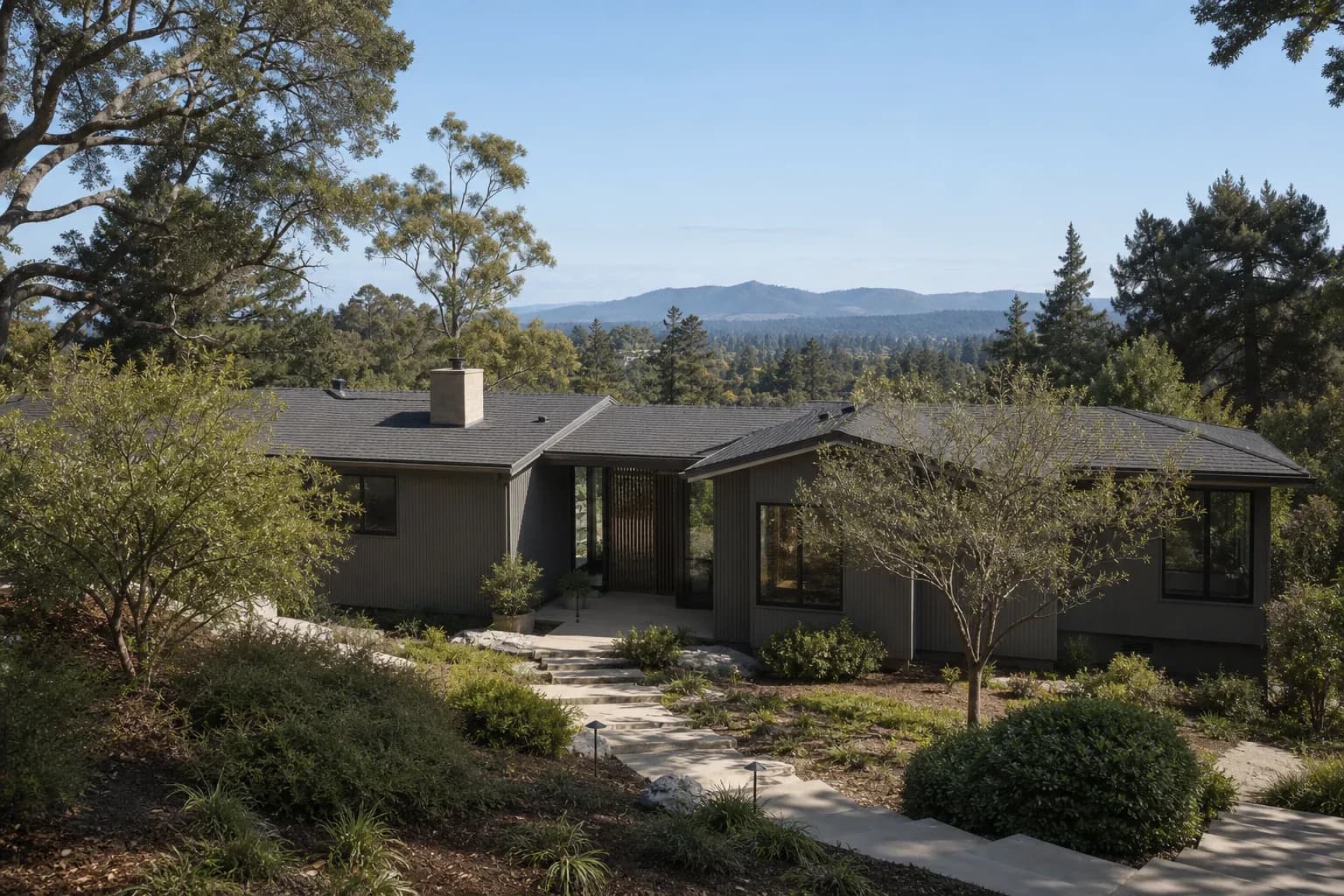
Acquiring a home in Menlo Park requires more than monitoring new listings. Discerning buyers need precise market context, decisive preparation, and disciplined risk analysis. Exceptional properties can attract qualified interest quickly. A considered strategy helps buyers act with confidence while preserving essential protections.
Schedule a private Menlo Park home search consultation with Robert Parish of Compass.
This guide explains how to define requirements, compare properties, assess neighborhoods, and structure an offer. It also addresses due diligence and sophisticated transaction planning. Robert Parish brings more than 25 years of real estate experience to each search. His background as a licensed California attorney, who is not currently practicing, informs careful negotiation.
Begin with a clear investment thesis, then evaluate each opportunity against it.
What to know before searching Menlo Park homes for sale
Successful buyers define their financial capacity, preferred setting, property requirements, and decision process before touring. They also prepare proof of funds or financing documentation. This foundation allows them to distinguish genuine value from polished presentation, respond efficiently, and negotiate without abandoning the protections appropriate to a significant acquisition.
Understand the character of the market
Menlo Park combines established residential streets, substantial estates, and contemporary residences. Supply differs by neighborhood, lot profile, condition, and architectural quality. The strongest opportunities are not interchangeable. Buyers should compare each property with recent, genuinely similar transactions.
California planning policy also shapes future housing and development. The California Department of Housing and Community Development documents how Menlo Park must manage housing needs. Buyers considering additions or redevelopment should examine current rules before assigning value to potential improvements.
Establish acquisition priorities
A productive search starts with a ranked brief. Separate non-negotiable requirements from desirable features. This distinction prevents attractive finishes from obscuring weaknesses in location, layout, or long-term utility.
- Set a total acquisition budget, including reserves and planned improvements.
- Define minimum lot, privacy, bedroom, and workspace requirements.
- Identify acceptable renovation scope and timing.
- Agree on decision-makers, advisors, and approval timing.
- Document the conditions that would justify a premium.
Interpret broader data carefully
Statewide trends provide context, but they do not establish a specific home’s value. The California Legislative Analyst’s Office reported that statewide prices have remained relatively flat since July 2022. Menlo Park property values still depend on highly local evidence and current competition.
Use Robert Parish’s monthly market report to frame inventory and buyer-demand shifts before reviewing individual properties.
A tailored Menlo Park real estate buyer guide can organize these variables. The objective is not simply to purchase. It is to acquire the right asset on terms aligned with long-term priorities.
How do neighborhoods shape your buying decision?
Neighborhood selection determines far more than address. It influences privacy, lot utility, architectural context, daily routines, and future buyer appeal. Compare individual streets rather than relying only on broad area labels. The strongest choice aligns the household’s current lifestyle with its expected ownership horizon and investment priorities.
Evaluate the setting at street level
Two nearby homes can deliver materially different ownership experiences. Visit at varied times and observe traffic, privacy, light, and surrounding improvements. Review the best neighborhoods in Menlo Park, then test each candidate against your own criteria.
- Privacy from neighboring properties and public sightlines
- Lot orientation, usable outdoor space, and mature landscaping
- Street character and consistency of nearby improvements
- Access to preferred services and everyday destinations
- Potential effects from nearby construction or planning changes
Consider adjacent luxury markets
Some buyers also compare opportunities in Atherton, Palo Alto, Los Altos, Los Altos Hills, Woodside, and Portola Valley. Each offers a distinct relationship among scale, privacy, convenience, and architectural character. Comparison can clarify priorities, even when Menlo Park remains the preferred destination.
Protect future marketability
Resale resilience often comes from enduring qualities. A balanced floor plan, useful outdoor space, attractive natural light, and a coherent streetscape can broaden future appeal. Highly personal improvements may be valuable to one owner but command less recognition from the next.
What property types can buyers expect?
Buyers can consider established single-family residences, newly built estates, renovated homes, townhomes, and condominiums. Each category presents different tradeoffs in privacy, customization, maintenance, and governance. The best fit depends on the buyer’s desired ownership experience, tolerance for projects, and expectations for long-term utility.
Established and renovated residences
Established homes may offer mature landscaping, compelling proportions, and a strong relationship with their setting. Their condition can vary considerably. A thoughtful renovation may preserve character while modernizing major systems. Buyers should still distinguish cosmetic upgrades from comprehensive work.
New construction and custom estates
Newer residences often feature integrated technology, efficient systems, and contemporary indoor-outdoor planning. Quality depends on design, materials, execution, and builder discipline. Review permits, warranties, specifications, and completed work. A recent completion date does not remove the need for inspection. Our guide to new construction homes in Menlo Park covers builder vetting in more depth.
Townhomes and condominiums
Attached residences can suit buyers who value a more managed ownership model. They may reduce exterior maintenance while preserving access to Menlo Park. Review governing documents, reserves, insurance, assessments, rental restrictions, and approval procedures before committing.
| Property type | Potential advantages | Questions to examine |
|---|---|---|
| Established residence | Mature setting and distinctive character | Systems, deferred maintenance, and renovation history |
| New or custom estate | Modern systems and current design | Build quality, permits, warranties, and specifications |
| Townhome or condominium | Managed exterior and efficient footprint | Governance, reserves, insurance, and assessments |
How should buyers prepare a competitive offer?
A competitive offer combines credible pricing, reliable financing, deliberate terms, and clean execution. It should reflect the property’s evidence and the seller’s priorities without creating avoidable exposure. Preparation before the opportunity appears gives buyers time to make reasoned decisions when the negotiation window is limited.
Confirm financial readiness
Financing strength must be documented, not merely asserted. Coordinate early with the lender and wealth advisors. Confirm liquidity, approval requirements, appraisal strategy, and the timing of funds. Buyers should also reserve capital for closing, initial improvements, and unforeseen ownership costs.
Build the offer in sequence
- Study relevant comparable transactions and current alternatives.
- Review disclosures before deciding price and terms.
- Identify the seller’s timing and execution priorities.
- Set a walk-away position before negotiations intensify.
- Choose contingencies according to evidence and risk tolerance.
- Present complete documentation with clear, reliable timelines.
Use terms strategically
Price is only one component. Deposit structure, closing timing, possession, contingency periods, and financing certainty can influence a seller’s decision. Strong terms should never be confused with careless exposure. Each concession needs an understood purpose and an acceptable risk.
Robert Parish helps clients assess the complete negotiation landscape. His approach connects evidence, transaction structure, and the buyer’s long-term objectives. This discipline supports the brand promise: Helping clients create equity with every transaction.
Ask Robert Parish of Compass to help you evaluate value, disclosures, and offer strategy.
Which due diligence issues deserve close attention?
Buyers should closely examine property condition, title, boundaries, permits, renovation feasibility, insurance, and ownership structure. A polished presentation does not resolve these questions. Early review of the complete disclosure package helps identify missing evidence, prioritize specialist advice, and make contingencies more precise rather than merely more restrictive.
Condition and specialist inspections
General reports establish a starting point. Depending on the property, specialists may need to examine drainage, foundation, roof, electrical systems, plumbing, heating, pools, or mature trees. Confirm which areas were inspected, which were excluded, and whether the seller commissioned the reports.
- Separate immediate repairs from long-term capital projects.
- Request clarification when reports use conditional language.
- Estimate the timing and disruption of material work.
- Consider whether findings affect price, terms, or suitability.
Title, boundaries, and ownership
Review title materials for easements, restrictions, liens, and other recorded matters. Confirm that physical use appears consistent with available records. Trust sales, estate sales, and multi-party ownership can add complexity. Qualified legal and tax professionals should advise within their areas of expertise.
Renovation feasibility and insurance
Buyers planning improvements should investigate feasibility before relying on future changes. Local requirements, existing improvements, and lot conditions can affect scope and timing. Insurance availability and cost also deserve early attention. Ask an insurance professional to assess the specific residence before removing relevant contingencies.
Strong due diligence is not a search for perfection. It provides a clear understanding of known tradeoffs. That clarity allows a buyer to proceed, renegotiate, or decline with conviction.
Why does local representation change the outcome?
Experienced local representation improves access, property screening, valuation, negotiation, and transaction control. A skilled advisor interprets details that listing data cannot capture. For a substantial acquisition, this perspective helps buyers allocate attention efficiently, recognize meaningful risk, and pursue opportunities aligned with both lifestyle and financial objectives.
Market access and property screening
A focused search considers both active opportunities and properties that may become available. An advisor can screen candidates before tours and explain why one deserves closer review. This saves time while preventing attractive but unsuitable homes from distracting the search.
Valuation and negotiation discipline
Strategic pricing requires more than a price-per-square-foot calculation. Lot utility, condition, architecture, privacy, and micro-location can materially affect value. California market data from the Legislative Analyst’s Office offers broad context. The final analysis must remain property-specific.
Robert Parish is a Realtor and licensed California attorney who is not currently practicing. That background informs a precise approach to negotiation and complex transaction coordination. Appropriate legal and tax questions are referred to qualified practicing professionals.
Transaction control
High-value acquisitions often involve extensive documents, multiple advisors, and exacting timelines. Effective representation keeps the process organized and maintains leverage. It also creates a clear record of decisions, open questions, and next actions.
- Coordinate disclosures, inspections, financing, and advisors.
- Track deadlines and unresolved questions.
- Prepare responses before negotiation pressure increases.
- Keep the acquisition thesis visible through closing.
How can buyers turn the search into a clear plan?
Translate broad preferences into a written acquisition brief, an evidence-based budget, and a defined decision process. Then review each candidate against the same standards. This structure makes the search more efficient, reduces reactive choices, and gives advisors the clarity needed to uncover and evaluate suitable opportunities.
Create the acquisition brief
The brief should capture the household’s objectives without becoming rigid. It can rank locations, property characteristics, project tolerance, timing, and financial boundaries. Review it after early tours. Real-world comparisons often reveal which priorities are genuine.
Use a consistent evaluation scorecard
- Setting, privacy, and long-term marketability
- Layout, condition, and improvement requirements
- Purchase basis and expected ownership costs
- Disclosure quality and unresolved risks
- Fit with timing and broader financial plans
Make decisions with complete context
A home can be appealing and still be the wrong acquisition. Compare its strengths, tradeoffs, and total basis with credible alternatives. The Menlo Park real estate overview provides additional local context. A disciplined process preserves optionality until the evidence supports action.
Frequently Asked Questions
What is the average price of Menlo Park homes for sale?
Prices vary widely by neighborhood, property condition, lot, and amenities. Recent comparable sales and current competition provide the strongest property-specific guidance.
Why are Menlo Park homes for sale in such high demand?
Demand reflects established neighborhoods, convenient access, limited supply, and enduring buyer interest. Competition still varies by property quality, price, and timing.
How do I find the best Menlo Park homes for sale?
Define priorities, prepare financing, review opportunities promptly, and work with an experienced local Realtor. The best property is the one that fits your objectives at a defensible basis.
Can a Realtor help with complex deals?
Yes. An experienced Realtor can coordinate disclosures, inspections, negotiations, and timelines. Qualified legal or tax professionals should advise on matters within their expertise.
Begin your Menlo Park home search with confidence
The right acquisition begins with a precise brief, credible financial preparation, and property-specific analysis. Robert Parish combines more than 25 years of experience with disciplined negotiation and local perspective. Buyers receive clear guidance from initial strategy through closing, with every decision connected to their broader objectives.
Explore more insight on the Peninsula real estate journal, or begin a confidential conversation about your priorities. A tailored search can reveal which opportunities merit attention and which should be declined.
Call Robert Parish at 650-400-1011 to schedule a private consultation.