Palo Alto Home Offer Contingencies Guide
Schedule an offer-strategy call to understand Palo Alto home offer contingencies, key tradeoffs, and ways to compete with informed confidence.
June 17, 2026 · 13 min read · Buying · Negotiation · Property guides
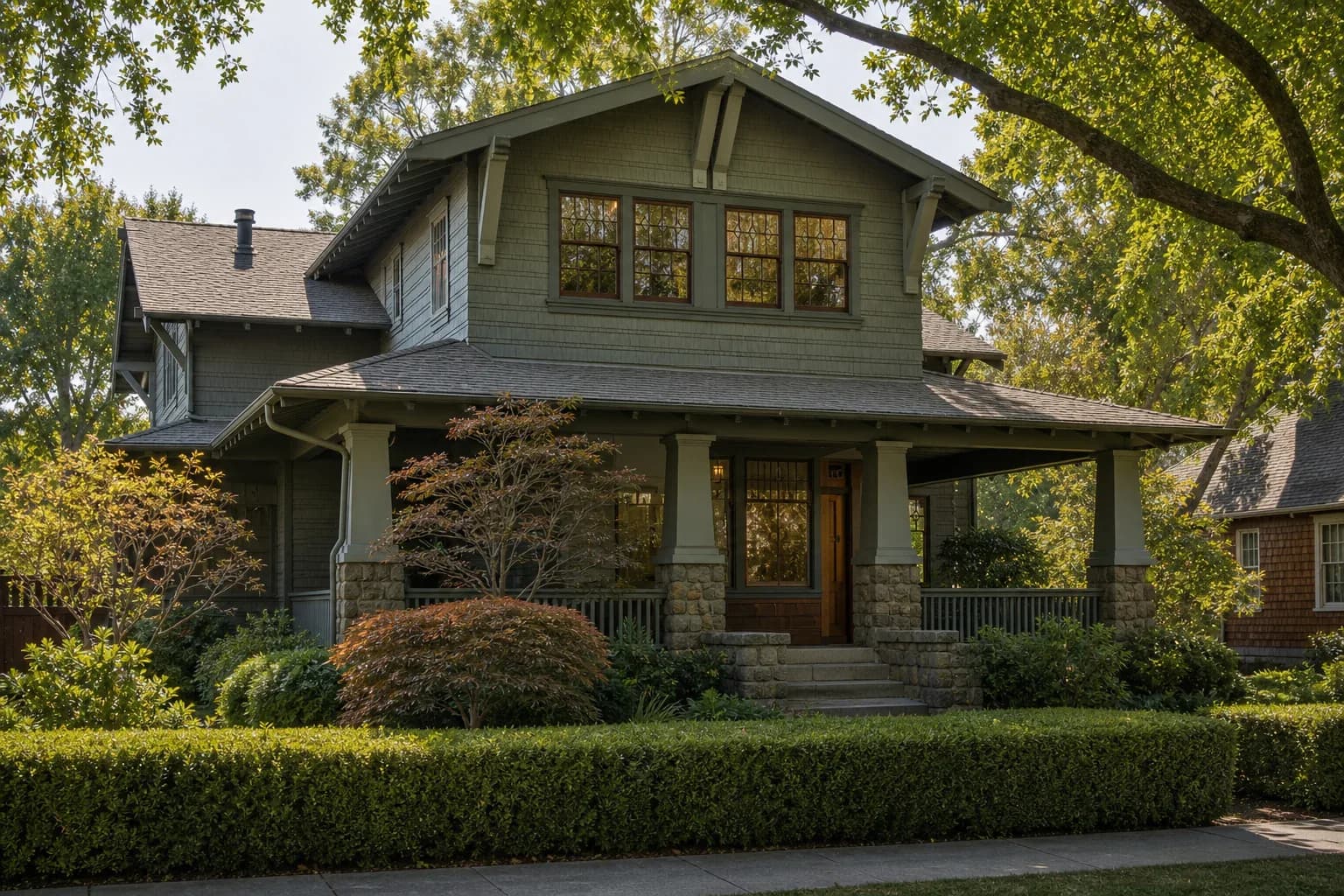
The median price for a home in Palo Alto exceeds three million dollars. In this fast market, knowing how to navigate Palo Alto home offer contingencies serves as the main shield for your deposit. Choosing the right terms helps you stay strong while keeping your money safe.
Palo Alto home offer contingencies are the specific rules in a real estate contract that must be met before the deal is final. These terms usually cover expert property checks, time to secure a mortgage loan, and a check on the home value by an expert. You can use these clauses to settle on a fair price or walk away with your deposit if the house has hidden flaws. While some buyers waive these rights to win a bidding war, a creative Realtor can help you keep safety by setting short dates. This balance keeps your cash safe while making sure your bid stays strong in a fast market where sellers favor speed and a sure deal.
Learning the details of these contracts is the first step toward a good buy. Once you know how Palo Alto home offer contingencies work, you can build a plan that protects your wealth while making your offer stand out.
How Palo Alto home offer contingencies work
In a real estate deal, a contingency is a condition that must be met for the sale to go through. Think of these as safety nets for your earnest money deposit. If a condition is not met, you can cancel the deal without losing your cash. In a fast market like Palo Alto, these terms are key tools for risk control. You can learn to navigate these terms by working with a local pro who knows the area.
Each contingency has a set deadline. You must either remove the contingency or cancel the contract by that date. If you do nothing, you might breach the contract. This is why tracking dates is a top priority for any buyer. These time limits are often tight in the Bay Area. Most buyers try to keep these windows as short as possible to stay strong against other offers.
The core protections for buyers
There are three main types of contingencies in a standard California home offer. The first is the inspection contingency. This gives you time to hire pros to check the roof, foundation, and systems. You can also review the seller disclosures during this time. The California Department of Real Estate notes these steps help you know a home’s state before you buy it.
The second type is the appraisal contingency. This protects you if the bank finds the home is worth less than your offer price. If the value comes in low, you can ask the seller to drop the price. You can also choose to pay the gap in cash or walk away. The third type is the loan contingency. This gives you time to get final approval for your mortgage. Even with a pre-approval letter, a lender still needs to verify your debt and income one last time.
Market trade-offs and risks
Palo Alto is a tight market. To win a home, some buyers choose to waive all their contingencies. This is called a “non-contingent” offer. While this makes your bid strong, it also means you take on more risk. You must be sure of the home’s state and your cash flow before you take this step. A Realtor can help you check the home history to see if a no-contingency offer is a safe bet for you.
Wait times for these steps vary. A standard loan period might be 17 to 21 days, but in Palo Alto, you might see it cut to 10 or 14 days. Inspection periods might only be 3 to 7 days. These fast timelines mean you must have your team ready to move the moment your offer is accepted. Being prepared helps you stay protected while still being a top bidder in a crowded field.
This article provides practical real estate info for buyers and sellers. It is not legal advice. Real estate laws and contracts can be complex. You should talk to a skilled lawyer if you have specific legal questions about your home purchase deal or local rules.
Should you keep an inspection contingency?
The inspection contingency is a vital tool for any buyer. It gives you a set time to check the home’s state before you fully commit. In the fast local market, you must decide if this safeguard helps or hurts your offer. You should work with an expert to weigh each contingency while keeping your bid strong.
The role of the inspection period
This clause lets you bring in pros to look at the roof, pipe work, and pest risks. It protects your deposit if you find a big flaw that costs too much to fix. Most buyers use this time to review the seller’s reports and do their own checks. If the home has issues, you can ask the seller to pay for repairs or lower the price.
In many cases, the seller will give you a full set of reports before you bid. You can review these files with a Realtor to see if you need more tests. If the reports are fresh and clear, you might feel safe with a shorter window. This helps you show the seller you are a serious and ready buyer.
Risks of waiving your rights
Waiving this right can make your offer stand out in a crowd. But it also means you take the home exactly as it is. If you find a major leak or mold later, you cannot back out without losing your cash. You must weigh the need to win the house against the risk of high repair bills. Many buyers in Palo Alto find that a short, firm window is better than no window at all.
You should always check the age of the home and its systems. Older houses often have hidden issues that a quick look might miss. Without a way to cancel, you could face big costs that were not in your plan. It is wise to have a plan for managing contingencies in a Palo Alto offer to keep your risks low.
Smart ways to limit the window
You can make your bid look better by shortening the time for the check. Instead of the usual two weeks, you might ask for just five or seven days. This shows the seller that you will move fast and not waste time. You should have your team of pros ready to go before you send your bid. This speed can be the key to winning in a busy market.
Another path is to set a “pass-fail” rule. This means you will not ask for small fixes, but you keep the right to walk away if there is a huge defect. It tells the seller you are not looking to nitpick the deal. By being clear and fast, you can keep your safety net while still being the top pick for the seller.
Appraisal versus loan contingencies
A strong Palo Alto home offer often hinges on how you manage financing risks. Buyers must know the split between the appraisal and the loan. While both deal with money, they guard different parts of the sale. The appraisal check looks at the home’s value. The loan check looks at your ability to get the cash. If you handle these financing terms well, you can protect your cash while staying in the run for a house.
The role of the appraisal
The appraisal is a tool for the bank. It makes sure the house is worth the price you plan to pay. If the value comes in low, you might have a gap to fill. This is common in fast markets. A buyer with this guard in place can ask the seller to drop the price. You could also walk away and keep your deposit. The National Association of Realtors notes that this clause helps buyers avoid paying more than the home is worth.
In Palo Alto, some buyers waive this to win. But doing so means you must cover any shortfall with your own funds. This is a big risk if the gap is wide. You should check your bank balance before you drop this safety net. Working with a Realtor can help you see the risks clearly before you sign the contract.
How loan approval works
A loan clause gives you time to get full bank approval. Even with a pre-approval letter, the bank needs to do a final check. They look at your pay, debt, and the home itself. If the bank says no, this clause lets you out of the deal. It is your main shield against losing your earnest money. A skilled Palo Alto negotiator can help you set the right window and stay protected.
Most sellers prefer a short window for this check. Long waits can make a seller nervous. To keep your offer strong, keep this time frame tight. Have your papers ready before you find the right house. This speed shows the seller you are a sure bet. It helps you stand out in a crowd of other buyers.
Key differences in protection
It is vital to see these two guards as a team. One protects you if the home value fails. The other protects you if your money status changes. Both are key tools when you make a bid. Use the table below to see how they work for you.
| Feature | Appraisal Clause | Loan Clause |
|---|---|---|
| Primary Focus | Market value of the home | Buyer credit and funding |
| Main Risk | Low value gap | Loan denial |
| Buyer Option | Ask for price cut | Cancel if no loan |
| Market Strategy | Often waived by cash buyers | Kept by most financed buyers |
| Time Frame | Usually 10 to 17 days | Usually 14 to 21 days |
Buyers in the Bay Area often feel a need to drop these guards. But you must be smart about it. A low appraisal can cost you tens of thousands of dollars. A loan denial without a clause could mean you lose your full deposit. Always talk with your team before you make a move. This keeps your path to a new home safe and clear.
When does a sale-of-home contingency make sense?
A sale-of-home contingency makes the purchase dependent on selling the buyer’s current property. It can protect a buyer from owning two homes at once. It also introduces another transaction, another timeline, and another source of uncertainty for the seller.
Understand the seller’s concern
A Palo Alto seller may compare several offers at once. An offer tied to another sale can appear less certain than one with funds already available. That does not make the contingency unreasonable. It means the buyer should explain the status of the existing home and support every claim with documentation.
The strength of this term depends on specific facts. Is the current home already listed? Is it under contract? Have its inspections and appraisal occurred? Clear answers help a seller evaluate the actual risk rather than assume the worst.
Consider ways to reduce uncertainty
Some buyers prepare their current home for sale before shopping. Others coordinate financing options with a lender. Each approach has costs and risks. Buyers should confirm the details with their lender, tax professional, and qualified attorney where appropriate.
A shorter decision timeline may improve certainty, but it must remain realistic. A deadline that cannot be met helps nobody. The objective is a credible plan that protects the buyer while respecting the seller’s need for a reliable closing.
This discussion is practical real estate information, not legal advice. Contract language and consequences require review by the appropriate qualified professionals.
How to build a competitive contingency strategy
The best strategy is not automatically the offer with the fewest protections. It is the offer with terms the buyer understands and can perform. Use this five-step framework before deciding which Palo Alto home offer contingencies fit your purchase.
- Study the property first. Review disclosures, reports, permits, and known conditions before choosing an inspection position. Learn about the local market through the Palo Alto community guide.
- Confirm financing details. Ask the lender what has been reviewed, what remains outstanding, and how quickly an appraisal can occur. A strong preapproval is useful, but it does not replace a clear understanding of loan conditions.
- Measure each risk separately. Consider the possible financial effect of an appraisal gap, an undiscovered repair, or a financing change. Do not treat every contingency as interchangeable.
- Choose credible timelines. Short deadlines can appeal to a seller only when the buyer’s team can meet them. Coordinate inspectors, lender staff, and decision-makers before submitting the offer.
- Present a complete offer. Clean documents, verified funds, and responsive communication can increase confidence without changing the price. Robert’s Certified Real Estate Negotiator background supports a disciplined approach to these discussions.
Set a risk limit before competition begins
Buyers often make poorer decisions when they first consider risk during a multiple-offer deadline. Establish limits earlier. Decide how much additional cash could be available if an appraisal is low. Identify which property conditions require further review. Confirm the monthly payment range with the lender.
A written decision framework can keep excitement from replacing judgment. It also helps the buyer’s Realtor communicate quickly when the seller requests a change.
Strengthen certainty, not just price
Sellers often care about the likelihood of closing. A buyer can improve that confidence through preparation. Read the home shopping guidance, gather current financial documents, and remain available during negotiations.
No strategy removes every risk. The goal is to understand each tradeoff and make an informed choice. Buyers should seek legal advice from a qualified attorney when they need contract interpretation.
Frequently asked questions
Can a buyer include contingencies in a competitive Palo Alto offer?
Yes. The seller decides whether to accept the terms. A focused contingency, credible deadline, and well-prepared file can still support a competitive offer.
What happens if an appraisal is below the offer price?
The outcome depends on the contract and financing. An appraisal contingency may provide options described in the agreement. Buyers should review those options with their Realtor, lender, and a qualified attorney when needed.
Is a loan contingency the same as preapproval?
No. Preapproval reflects a lender’s review at a point in time. A loan contingency is a contract term addressing financing. Buyers should ask what underwriting items remain.
Should buyers waive an inspection contingency?
There is no universal answer. Waiving it can increase exposure to unknown conditions. Review available reports, personal risk limits, and professional guidance before deciding.
Discuss your Palo Alto offer strategy
Every offer requires a deliberate balance of protection, certainty, and price. Robert Parish brings more than 25 years of real estate experience and results-oriented negotiation to that process. Helping clients create equity with every transaction.
Call Robert Parish at 650-400-1011 to discuss a thoughtful offer strategy for your next Palo Alto home.