Buying a Home in Palo Alto in 2026
A practical 2026 Palo Alto home buying guide covering prices, neighborhoods, offer strategy, due diligence, and local buyer planning.
May 12, 2026 · 9 min read · Buying · Property guides
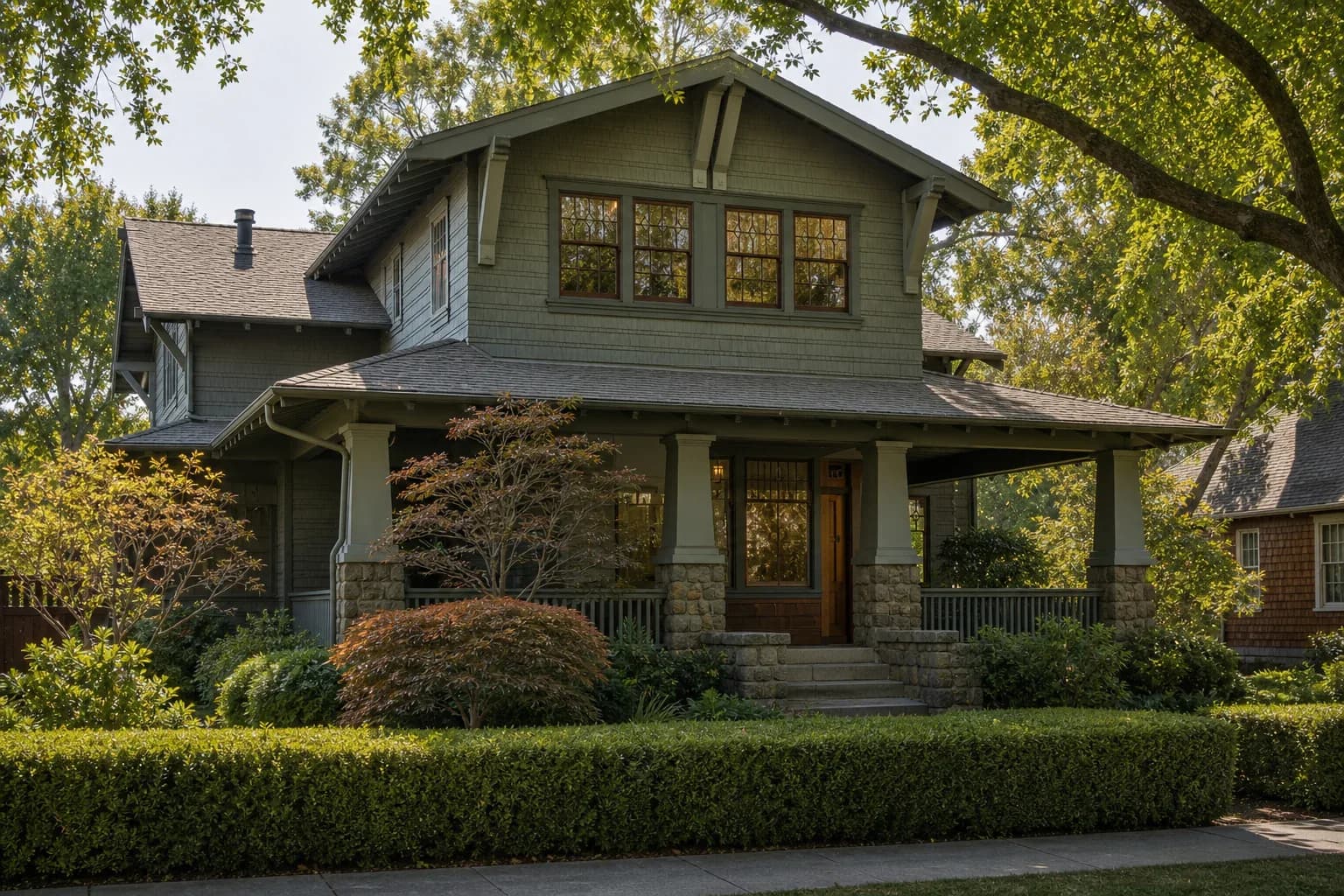
Buying a home in Palo Alto in 2026 will require more than a saved search and a pre-approval letter. The market is small, expensive, and highly informed. Buyers who succeed usually know their price ceiling, their neighborhood trade-offs, and their offer strategy before the right home appears.
Planning a Palo Alto purchase? Start with Robert Parish’s buyer resources or contact Rob for a private buying consultation.
This guide is written for buyers who are serious about Palo Alto real estate in 2026. It explains how to think about price, location, schools, inspections, financing, and negotiation. It also helps you separate useful market context from noise, so you can make a clear decision when timing matters.
What makes Palo Alto different for buyers?
Palo Alto is not a normal suburban market. It combines Stanford University, a strong technology economy, well-regarded public schools, and a limited supply of single-family homes. That mix keeps demand high even when interest rates, stock volatility, or broader economic news slow activity elsewhere.
The city also has many different buyer profiles. A Stanford faculty member may value bike access to campus. A founder may need privacy and a home office. A relocating family may focus first on school boundaries and commute time. An investor may focus on long-term land value. Each buyer is shopping in the same city, but not always for the same reasons.
That is why a generic search for Palo Alto homes for sale is only the starting point. The more important question is whether a specific property supports your life, your budget, and your long-term plan.
Explore the Palo Alto community overview for local context, available homes, and next-step guidance.
How should you think about Palo Alto home prices in 2026?
Palo Alto home prices vary widely by property type, neighborhood, lot size, condition, and school assignment. Public market summaries can be useful, but they are not enough for a purchase decision. A median price does not tell you whether a home is underpriced, overpriced, or likely to receive multiple offers.
For many buyers, the practical entry point is not a detached home in a premier neighborhood. It may be a condominium, a townhome, a smaller single-family home, or a property that needs updates. At higher budgets, buyers begin comparing trade-offs between location, lot quality, architecture, privacy, and move-in condition.
In 2026, a smart pricing review should include four questions:
- What have similar homes actually sold for in the last 90 to 180 days?
- How many offers did those homes receive, when that information is available?
- Did the winning buyer waive contingencies or use cash?
- Is the property unique enough to justify a premium?
Buyers should also look beyond the list price. In Palo Alto, an attractive list price can be a marketing strategy, not a seller’s expected final number. Your agent should help you read that signal before you tour, not after you fall in love with the home.
Which Palo Alto neighborhoods should buyers compare?
The best neighborhoods in Palo Alto depend on your goals. There is no single right answer. There are only better and worse fits for your budget, commute, school needs, and lifestyle.
Old Palo Alto and Professorville are often associated with historic character, tree-lined streets, and strong proximity to Stanford and downtown amenities. Crescent Park appeals to buyers who want larger homes, prestige, and convenient access to University Avenue. Midtown offers a central location with a more residential feel. Barron Park has a more relaxed character and access to south Palo Alto. South Palo Alto neighborhoods can provide relative value while keeping buyers inside the city. Our Palo Alto homes for sale buyer guide breaks each of these areas down by price range and school assignment.
Buyers should also compare Palo Alto with nearby Peninsula communities. Menlo Park, Los Altos, Mountain View, Atherton, and Los Altos Hills may provide different combinations of price, lot size, schools, privacy, and commute. The side-by-side look at Palo Alto versus Menlo Park is a good place to start that comparison. Robert Parish works across these communities, which helps buyers see the broader Peninsula picture instead of over-focusing on one city.
If you are still deciding where Palo Alto fits in your search, use the site’s featured properties and community resources as a starting point. Then narrow the search with a clear discussion about what matters most.
How do schools and commute patterns affect the search?
Schools are one of the main reasons many families consider Palo Alto. Still, buyers should verify school assignment details directly with the district before making an offer. Boundaries, enrollment rules, and program details can change. Do not rely only on listing remarks or third-party portals.
Commute patterns also matter. A home that looks close on a map may feel very different during school drop-off or afternoon traffic. Buyers who travel to Stanford, Sand Hill Road, Meta, Google, Apple, or San Jose should test real drive times at the hours they expect to commute.
For many buyers, the right property is the one that balances daily life with long-term value. A slightly smaller home near work, school, parks, or downtown may be a better fit than a larger home with a harder routine. Buyers moving in from out of state should also read our Palo Alto relocation buyer guide.
What should you do before touring homes?
Preparation is a competitive advantage in Palo Alto. By the time a strong listing hits the market, prepared buyers may already know how much they can offer, which contingencies matter, and who needs to review disclosures.
Before touring seriously, complete these steps:
- Confirm your budget with a lender who understands high-value Peninsula purchases.
- Decide how you will use cash, securities, or financing.
- Review your monthly payment comfort level, not only your approval amount.
- Identify your must-have features and your flexible preferences.
- Discuss school, commute, and resale priorities.
- Set expectations for inspection reports and disclosure review.
Robert Parish’s buyer guidance includes practical steps for preparing financial documents, choosing lending resources, and organizing the search. You can review the process through the buyer planning section.
How can buyers compete without overpaying?
Winning in Palo Alto is not always about being the highest bidder. It is about being the strongest credible buyer for that seller and that property. Price matters, but terms, certainty, speed, and communication also matter.
A strong offer strategy may include:
- A price supported by recent comparable sales and likely competition.
- A clear financing plan or proof of funds.
- A thoughtful contingency strategy based on disclosure quality.
- A closing timeline that works for the seller when possible.
- Clean documentation that reduces uncertainty.
Buyers should be careful with blanket advice. Waiving every contingency is not automatically wise. Offering far above list is not automatically reckless. The right approach depends on the property, the disclosures, your risk tolerance, and your alternatives. Our guide to Palo Alto home offer contingencies explains which protections are worth keeping.
When the right home appears, speed and judgment both matter. Use Compass Collection Search to organize options, then speak with Rob about offer strategy.
What due diligence matters most in Palo Alto?
Due diligence in Palo Alto should go deeper than paint, finishes, and staging. Many homes are older. Some have additions, prior remodels, drainage concerns, foundation issues, sewer lateral questions, or permit history that deserves careful review.
Buyers should review available disclosures before writing an offer whenever possible. Common documents may include property inspections, pest reports, roof information, natural hazard disclosures, preliminary title reports, seller questionnaires, and permit records. Each document should be read in context, not skimmed at the last minute.
Local due diligence may also include:
- Understanding floor area limits and redevelopment potential.
- Checking whether prior improvements were permitted.
- Reviewing tree, creek, flood, or easement issues.
- Looking at noise from major roads, Caltrain, or nearby activity.
- Confirming homeowners association rules for condominiums and townhomes.
Robert Parish’s background as both a Realtor and California attorney is useful in complex transactions. He can help buyers identify issues that need professional review while keeping the purchase process organized and practical.
Should you buy now or wait?
The best timing depends on your personal situation. Waiting can help if you need more savings, a clearer job picture, or time to learn neighborhoods. Waiting can hurt if prices rise, inventory remains limited, or the right property appears and you are not ready.
In Palo Alto, buyers should avoid trying to time the exact bottom of the market. The supply of desirable homes is too limited. A better approach is to define the home, price, and terms that would make sense for you. Then you can act when that match appears.
If you plan to own for many years, daily fit and long-term property quality often matter more than small timing differences. If you may move again soon, liquidity, resale appeal, and purchase discipline become more important.
A 2026 Palo Alto buyer checklist
Use this checklist before you move from browsing to active offers:
- Choose your target neighborhoods and backup neighborhoods.
- Confirm your budget and liquidity plan.
- Review recent sales with a local expert.
- Tour enough homes to understand condition and value.
- Confirm school information with official sources.
- Test commute routes at realistic times.
- Discuss inspections, disclosures, and risk tolerance early.
- Prepare documents before the right home is listed.
- Use a disciplined offer strategy for each property.
This process may feel intensive, but it reduces regret. Palo Alto is too competitive for rushed decisions and too expensive for vague assumptions.
Work with a Palo Alto buyer advisor
Buying a home in Palo Alto is a major financial and lifestyle decision. The right advisor should help you understand the market, compare neighborhoods, evaluate risk, and negotiate with discipline.
Robert Parish combines more than 25 years of Peninsula real estate experience with Compass resources and legal training. His practice is built for buyers who want direct, high-touch guidance in Silicon Valley’s most competitive communities.
If you are preparing to buy in Palo Alto in 2026, contact Robert Parish to discuss your search, timing, and offer strategy.
The right home may not stay available for long. The right preparation can make the difference between watching the market and moving with confidence.