Buying a Historic Home in Palo Alto: Due Diligence
The due diligence steps for buying a historic home in Palo Alto: title restrictions, permit history, specialized inspections, preservation rules and Mills Act tax savings.
July 2, 2026 · 12 min read · Buying · Property guides
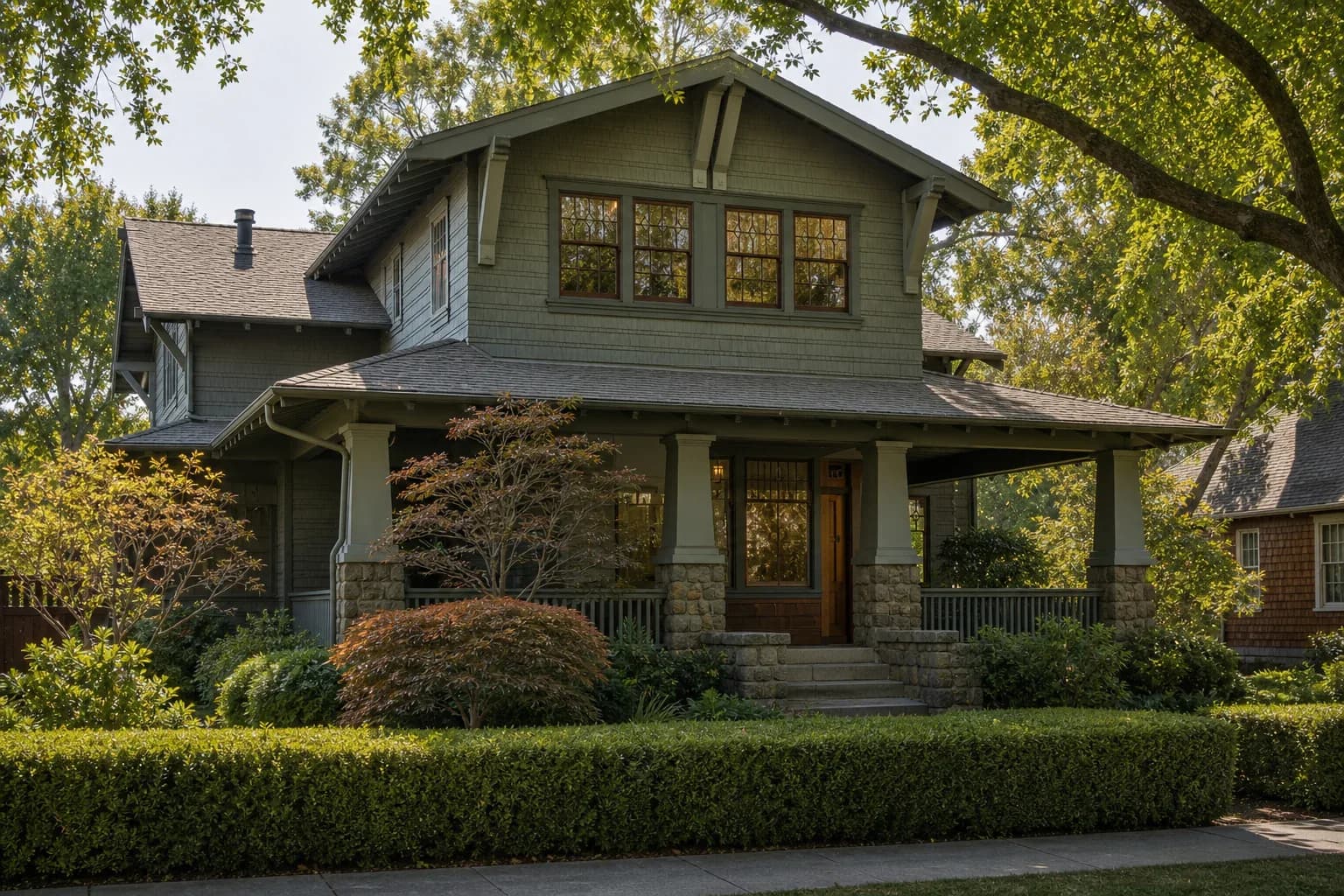
Buying a 1920s Craftsman in Professorville requires more than a standard inspection and a fast closing date. These older houses offer deep roots and unique charm that new builds simply cannot match. You need a clear plan to handle the complex rules that come with these special properties. Contact Robert Parish today for expert guidance on buying a historic home in Palo Alto.
What Makes Palo Alto’s Historic Home Market Unique?
Buying a historic home in Palo Alto involves following strict preservation rules and researching property records that differ from typical real estate transactions. About 47 percent of the city’s homes were built before 1959, and many buyers target well-known historic districts like Professorville. This area has been on the National Register of Historic Places since 1979.
These sales require a deep review of the City Historic Inventory to understand how a property’s designation affects future renovations and property taxes. Buyers must examine past permits, title restrictions, and seller disclosures to ensure a house matches their long-term goals. According to the Palo Alto Stanford Heritage database, hundreds of listed properties carry unique architectural value that demands expert guidance. This process helps you identify structural concerns or renovation limitations before the transaction closes.
Professorville and the City Inventory
One of the most famous historic districts is Professorville. This area sits just southeast of the downtown core. It covers about 65 acres and holds nearly 200 homes. These houses were built between the 1890s and 1929. Many early Stanford professors lived there, which gave the area its name. The district joined the National Register of Historic Places in 1979. This status helps protect the architectural character of the neighborhood. Buyers value these homes for their wood details, large porches, and connection to the Palo Alto architectural identity.
The city also maintains a City Historic Inventory. It started this record in 1979 and first listed about 500 properties. Today the City of Palo Alto manages this database to guide planning and growth. Buyers should check this inventory before making an offer on any home built before 1959. For a broader overview of Palo Alto neighborhoods and pricing, review the Palo Alto home buying guide.
Historic District Comparison
| District | Era | Size | Notable Feature |
|---|---|---|---|
| Professorville | 1890s-1929 | 65 acres, ~200 homes | National Register since 1979. |
| Old Palo Alto (Seale Addition) | Early 1900s | Large lots, grand homes | City Historic Inventory since 1979. |
| Ramona Street | Early 1900s | Commercial and residential mix | Early commercial corridor. |
What Due Diligence Steps Do You Need for a Historic Home?
Buying a historic home in Palo Alto requires a thorough due diligence process. The age of these properties means you must investigate beyond a standard property inspection to uncover hidden risks. As a licensed California attorney and Realtor, Robert Parish helps clients navigate both the legal and structural aspects of these transactions. See the Palo Alto buyer resource page for additional guidance on offer strategy and neighborhood comparisons.
Check the property title for restrictions
A standard title search is just the beginning for a historic property. You must check for conservation easements that limit how you can use the land. These restrictions stay with the property and can prevent future exterior changes. Identifying these buyer due diligence requirements early helps you avoid legal surprises after closing.
Review permit history and records
You should examine city planning files for every permit associated with the address. Older Palo Alto homes sometimes have modifications completed without proper permits. This can lead to fines or safety concerns. Verifying these records ensures the property complies with city building standards. This step is critical for protecting your investment.
- Run a title search to find conservation easements or deed restrictions that could limit your renovation plans.
- Review all California seller disclosure reports to identify known property defects and past repairs.
- Search city building files for old permits and any record of unpermitted work.
- Order a Phase 1 environmental assessment to check for lead paint, asbestos, or underground storage tanks.
- Check the City Historic Inventory to determine which preservation rules apply to your property.
Identify environmental and disclosure risks
California law requires sellers to disclose known material facts about a property. For an older home, you must be alert for environmental hazards. A Phase 1 assessment helps identify risks such as lead paint, which is common in homes built before 1978. These evaluations are a standard part of any Palo Alto real estate transaction involving older construction. Taking these steps helps you buy with confidence.
Which Specialized Inspections Should You Not Skip?
Buying a historic home in Palo Alto demands inspections that go far beyond a standard home inspection. These properties often have original systems that have not been updated for decades. A thorough evaluation helps you budget for the true cost of owning a historic property.
Outdated electrical and plumbing systems
Many older Palo Alto homes still have knob-and-tube wiring. This early electrical system can pose a fire hazard and may lead to higher homeowner costs if an insurance carrier requires an upgrade. You should also inspect for galvanized steel plumbing, which can corrode over time and restrict water flow. These systems often need complete replacement to meet modern building codes.
A specialized heating and cooling evaluation is also essential. Older furnaces and air conditioning units may not perform efficiently in a large historic floor plan. The Department of Energy recommends regular maintenance to keep systems running safely and to reduce energy costs. A qualified technician can advise whether the current equipment is adequate or requires replacement.
Environmental health hazards
If the home was built before 1978, federal law requires the seller to provide a lead-based paint disclosure. Lead paint was commonly used in older homes and can create health risks if it deteriorates. Asbestos is another concern, often found in aging pipe insulation, floor tiles, or siding. Both hazards are manageable with proper remediation plans.
Wood-destroying pest inspections are also critical for older structures. In California, termites and other wood-boring insects can cause significant damage if left undetected. A focused inspection of the framing and crawl space reveals whether the structure is sound. Identifying these issues early is part of a responsible property buying strategy that protects your long-term equity.
Foundation and roof integrity
Historic homes may have foundations that have shifted over decades of settling. A structural engineer can examine the foundation for cracks or uneven settling that suggests movement. In Palo Alto, where the land is largely built out, maintaining a solid foundation is critical for long-term property value. The 2026 Palo Alto market guide covers how these factors influence pricing and offer decisions.
The roof also requires careful evaluation. Older roofing materials may be difficult to source for repairs. If the home has historic designation, you may need to use period-appropriate materials for any replacement. This can significantly affect your budget, so understanding the roof condition before purchase is essential.
How Do Historic Designation Rules Affect Renovations?
Owning a historic home in Palo Alto comes with specific responsibilities for preserving the property’s architectural heritage. The city enforces guidelines to protect the character of historic Palo Alto neighborhoods. If you plan renovations, you must follow the historic preservation standards from the planning department. Understanding these limits before you buy helps you estimate the true cost of ownership.
Exterior design controls
Most preservation rules focus on what is visible from the street. You cannot alter the roof, windows, or exterior paint colors without a permit. If you plan an addition, the city must review the design to ensure it is compatible with the original structure. You will likely need a Certificate of Appropriateness from the Historic Resources Board. This board verifies that any proposed work respects the historic character of the home.
For eligible sellers, the Compass Concierge program may fund approved improvements, subject to credit approval and program terms. Confirm whether specialized preservation work qualifies before making a commitment. Our analysis of which Palo Alto remodels add the most resale value is a useful reference when you prioritize the work.
Financial benefits of historic ownership
The restrictions are significant, but there are also financial advantages. The Mills Act is one of the most valuable programs for historic homeowners in California. It provides a substantial property tax reduction to owners who commit to preserving their historic property. You enter a legally binding contract with the city to maintain the home for a specified period. To see how that reduction compares to a standard bill, review our guide to Palo Alto property tax rates.
Federal incentives may also be available. If you use the property for income purposes, such as a rental, you might qualify for Federal Historic Preservation Tax Incentives. These credits help offset the cost of rehabilitating a certified historic structure. These programs make historic homeownership more financially accessible.
Flexible building code options
Older homes may not comply with current building codes for energy efficiency or safety. However, the State Historic Building Code provides flexibility. It allows alternative compliance methods that achieve safety goals without sacrificing historic character. This code helps reduce the cost of bringing an old home up to modern standards while preserving its architectural integrity.
Working with an agent who understands these regulations is essential. Robert Parish combines legal training with real estate expertise to help clients evaluate city records, tax incentive programs, and renovation costs before making a purchase decision. The Palo Alto buyer guide provides additional neighborhood-specific context for historic property shoppers.
How Do You Evaluate Long-Term Cost and Fit for a Historic Home?
Buying a historic home in Palo Alto is a significant financial commitment. You are not just purchasing a house. You are acquiring a piece of local history. The median sale price for Palo Alto homes is near $3.5 million. This price point demands careful planning. Reviewing a current market analysis helps you understand how values trend in historic districts over time.
Balancing maintenance and preservation
About 47 percent of Palo Alto homes were built before 1959. These older properties offer distinctive architecture but also require more upkeep. Foundation and roof inspections should be routine to catch problems early. Deferred maintenance can lead to expensive repairs later. You may need to review city records for past permits or uncompleted work orders.
Higher insurance costs
Insurance rates are typically higher for historic properties. Older electrical systems and plumbing can increase risk profiles. Period-specific features such as slate roofs, custom millwork, and leaded glass windows are expensive to repair or replace. Carriers factor these costs into your premium. Understanding these costs before purchasing helps you budget accurately. For a complete financial picture, consult a local Palo Alto buying strategy resource.
Resale value and lifestyle fit
Palo Alto is a built-out city with limited new construction. Only about 14 percent of homes were built after the year 2000. This means historic properties dominate the market. These homes tend to hold their value because they are irreplaceable. However, the buyer pool may be smaller than for modern homes. Some buyers prefer open floor plans and contemporary finishes over period details.
Consider whether you want a move-in ready home or a project. A historic home requires ongoing attention and investment. It is best suited for someone who values craftsmanship and character over turnkey convenience. If you are ready to explore available properties, browse Palo Alto listings to understand current market options.
Frequently Asked Questions
Are there tax incentives for owning a historic home in California?
Owners of historic homes in California can save on property taxes through the Mills Act. This state program lets local cities make deals with owners of qualifying properties. If you promise to maintain and preserve the house, you receive a substantial tax reduction. The City of Palo Alto planning office administers this program locally. It helps preserve the architectural character of historic neighborhoods.
What restrictions apply to renovating a historic home in Palo Alto?
Historic preservation rules typically limit what you can change on the exterior of a home. In Palo Alto, you may need a special permit before starting exterior work. This covers roof materials, window types, and paint colors. These rules ensure that new work does not compromise the original architectural style. Buyers should consult the Palo Alto Stanford Heritage list for specific property-level requirements.
Is it more expensive to insure a historic home?
Insurance costs for historic homes are often higher than for newer construction. Older wiring and plumbing can increase the risk of fire or water damage. Repairing period-specific features such as slate roofs or custom millwork is typically more expensive. Most carriers adjust premiums to reflect these higher replacement costs. A local insurance agent familiar with historic properties can help you find appropriate coverage.
How do I determine if a property has historic designation?
You can check whether a property is listed on the City Historic Inventory. This list maintained by the City of Palo Alto includes approximately 500 properties. Properties are evaluated based on architectural significance and historical relevance. Even if a property is not on the inventory, it may still qualify if it is old enough to meet local criteria. Reviewing these records is a crucial step before making an offer on any older Palo Alto home.
Is buying a historic house worth the investment?
Buying a historic home in Palo Alto can be a strong investment for the right buyer. These homes tend to hold their value well because they are located in desirable neighborhoods such as Professorville and Old Palo Alto. You own a piece of local history that cannot be replicated. The key is to budget for ongoing maintenance and for any required preservation work. Working with a Realtor who understands historic property transactions helps you weigh repair costs against long-term appreciation. Get expert advice by contacting Robert Parish today.