Palo Alto Property Tax Rates: What Homebuyers Need to Know
Schedule a consultation to review how Palo Alto property tax rates affect your purchase budget, Proposition 13 rules, county comparisons, and tax planning.
July 28, 2026 · 14 min read · Buying · Financing
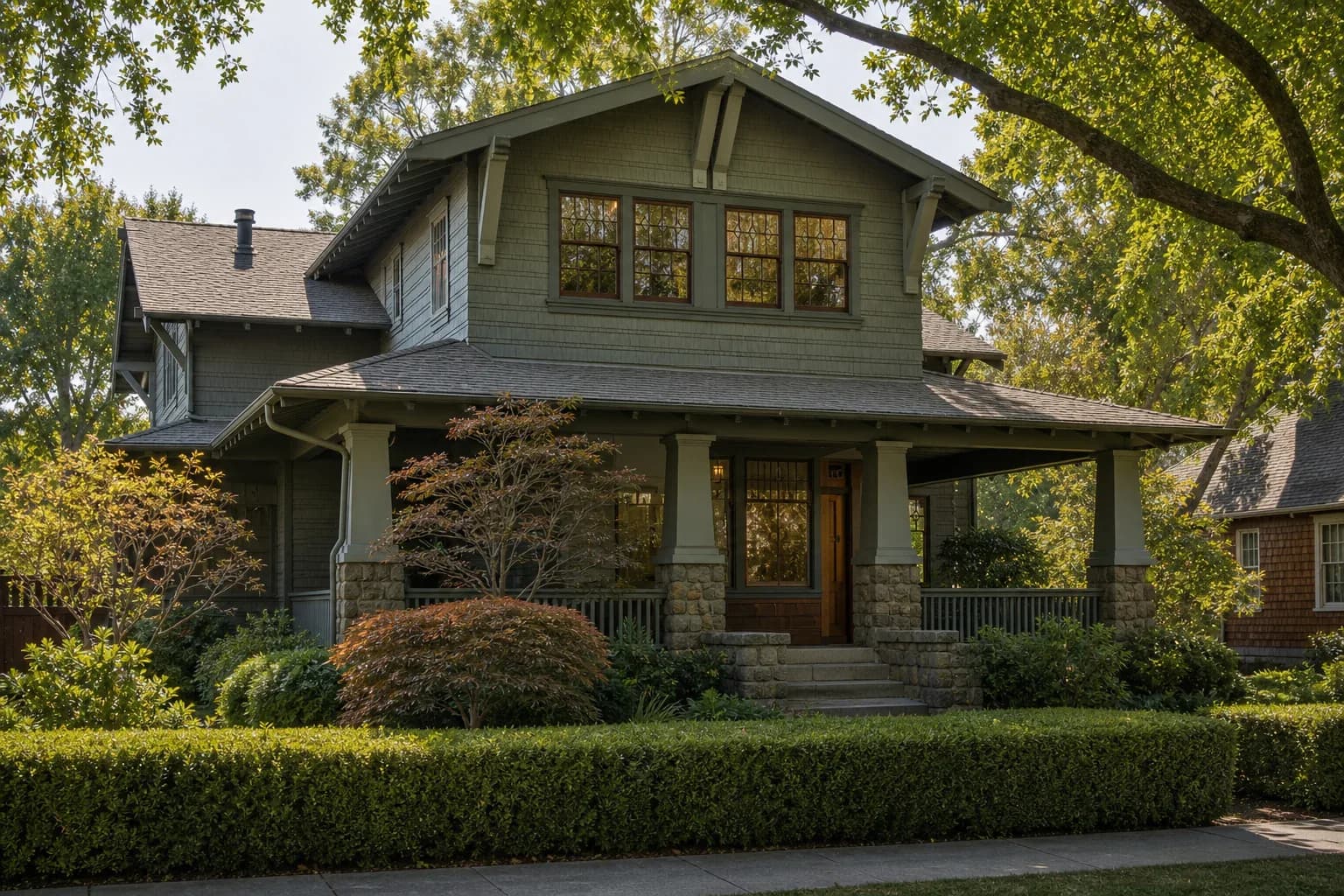
Property taxes deserve careful review before you make an offer on a Palo Alto or Menlo Park home. The purchase price is only the starting point. Your future bill also depends on assessed value, local charges, and the property’s county and taxing districts.
Palo Alto property tax rates generally begin with California’s one percent property tax levy on assessed value, plus voter-approved bonds and other local charges. After a sale, the property’s assessed value typically resets to the purchase price. Proposition 13 then limits most annual increases to two percent, creating a more predictable long-term expense for the new owner.
That framework matters because two nearby homes can carry different obligations, even when their sale prices appear similar. Understanding the state baseline first makes it easier to evaluate the local details that follow, and it belongs in the same budget as everything else covered in our guide to buying a home in Palo Alto in 2026.
Schedule a consultation with Robert Parish to review how property taxes affect your specific home purchase budget, including assessed value, county-specific charges, and tax planning.
How Does Proposition 13 Affect Palo Alto Property Tax Rates?
Proposition 13, approved by California voters in 1978, establishes the starting point for Palo Alto property tax rates. The base levy is 1 percent of a property’s assessed value. Voter-approved debt rates and other local charges can increase the total bill.
For most purchases, the initial assessed value is close to the property’s purchase price. Proposition 13 generally limits annual increases in assessed value to 2 percent. This creates a degree of predictability for owners who hold a home over many years. The rule applies to the assessed value, not necessarily to changing market value.
When a property changes ownership, the county typically reassesses it at its current market value. That reset explains why two similar homes can have very different tax bills. A longtime owner may still have a comparatively low assessed value after years of capped increases. A new buyer may pay taxes based on a much higher purchase price. This difference deserves attention when evaluating the full cost of a Palo Alto purchase.
Why the base rate is not the full bill
The 1 percent figure is a baseline, not a complete estimate. A California property tax bill may also include several additional charges:
- Voter-approved debt rates for schools and infrastructure
- Parcel taxes that fund specific local services
- Mello-Roos taxes for Community Facilities Districts
- Other special assessments tied to the property’s location
Palo Alto is in Santa Clara County and borders San Mateo County. Buyers should review the preliminary tax information for the individual parcel, rather than rely on a citywide estimate, because local districts and assessments can still vary within the city. The California Legislative Analyst’s Office provides an overview of the 1 percent rate and related charges in its California property tax primer.
For high-value purchases, this review should happen before negotiations conclude. The assessed-value reset and parcel-specific charges can materially change projected ownership costs.
How Do Palo Alto Property Tax Rates Vary by Parcel?
Published estimates do not produce one universal figure for Palo Alto property taxes. A property’s assessment history, local levies, taxing districts, and the calculation method used by each source all matter.
| Source or area | Effective rate | Median annual bill | What the figure represents |
|---|---|---|---|
| Palo Alto Online, February 2026 | 0.657% | $23,007 | Citywide median bill and effective rate |
| SmartAsset, Santa Clara County | 0.64% | $10,000 typical bill | Countywide estimate based on high property values |
Reported Palo Alto and Santa Clara County property tax figures.
Why the numbers differ
An effective rate can use different denominators. Some estimates compare taxes with current market value. Others reflect the property’s current assessed value, which may remain below market value under California’s Proposition 13 system. A recently purchased home may therefore produce a different tax estimate from a long-held home.
The bill also includes more than a base rate. Local bonds, parcel taxes, school-related charges, and other assessments can change the final amount. Buyers should review the actual tax bill and county assessor records for a specific property. For a deeper look at local housing market patterns, explore the Palo Alto community guide.
Assessment growth adds another variable
Palo Alto assessments grew 5.47% in 2025, compared with 4.74% across Santa Clara County, according to Palo Alto Online. That growth does not replace a parcel-level review. It shows why current estimates can change as assessments and home values move.
Confirm the parcel’s taxing districts and current assessments before comparing estimates. Those designations affect the charges shown on the tax statement.
Menlo Park Property Tax Rates: What Buyers Should Know
Menlo Park buyers should estimate taxes from the property’s assessed value, not its listing price alone. For a current purchase, the sale price usually becomes the starting point for that assessment. The final bill also reflects local charges, so two homes in Menlo Park can carry different annual costs.
Ownwell’s April 2026 figures place Menlo Park’s median effective property tax rate at 1.22%. The median annual bill is $16,394, based on a median home value of $1,379,569. That rate is close to California’s 1.21% state median. It is a useful planning benchmark, not a guaranteed rate for a specific address.
Citywide and countywide estimates illustrate why buyers should review the full bill. Palo Alto’s overall median bill was reported at $23,007 by Palo Alto Online, partly reflecting higher home values. That figure is not a direct substitute for a parcel-specific Menlo Park estimate because the underlying geographies, assessed values, and reporting methods differ.
Why rates vary within Menlo Park
Menlo Park does not have one uniform tax outcome for every neighborhood. Several factors contribute to the variation:
- ZIP code boundaries that overlap with different school districts
- Local school district levies and other voter-approved charges
- Mello-Roos districts that add financing charges for eligible properties
- Assessment history and prior Proposition 13 base year values
That means a buyer should request the latest tax bill for the specific home. Review the assessor’s assessed value, the base levy, voter-approved debt, parcel taxes, and any Mello-Roos assessment. A percentage applied to a median home value cannot identify those address-level differences.
How to use the median when budgeting
Use $16,394 as a broad annual reference point for Menlo Park, then build a property-specific estimate. Confirm the county, school district, special districts, and recent sale history. Also allow for a supplemental assessment after closing if the new assessed value exceeds the prior value.
For buyers comparing Menlo Park with Palo Alto, the practical question is not which city has the lower headline rate. It is how the purchase price, assessment, district charges, and local levies combine for the home under consideration. The Menlo Park community guide provides useful context on local neighborhoods, and our side-by-side look at Palo Alto versus Menlo Park covers the broader tradeoffs.
Supplemental Assessments, Mello-Roos, and the Appeal Process
A purchase can change more than the ownership record. It can also change the property’s assessed value and annual tax obligation.
How supplemental assessments affect a recent purchase
When a California property sells, the assessor generally resets its assessed value to the new market value. A supplemental assessment covers the difference between the prior assessed value and the new value. The county may issue a separate supplemental tax bill after the sale.
This bill can be easy to miss during a transaction. It may arrive after closing, and the amount depends on the timing of the sale and the assessed-value change. Buyers should ask their Realtor, escrow officer, and county tax collector how the bill will be handled. Review the purchase price, closing date, estimated bill, and any proration language before relying on a tax estimate.
Why Mello-Roos charges deserve a closer review
California property tax bills can include more than the statewide one-percent base rate. They may also include voter-approved debt, parcel taxes, Mello-Roos taxes, and other assessments. The Legislative Analyst’s Office summarizes these components in its California property tax primer.
Mello-Roos charges help fund public facilities and services through Community Facilities Districts. They are especially common in newer Peninsula developments built with infrastructure bonds. However, they do not apply to every property in Palo Alto or nearby communities. Confirm the property’s specific district, annual charge, escalation terms, and remaining bond obligations. Do not assume that two homes in the same city have identical tax bills.
When Proposition 8 may reduce assessed value
Proposition 8 can provide temporary tax relief when a property’s current market value falls below its assessed value. The reduction is not necessarily permanent. The assessor may review the value in later years and restore the assessment when market conditions support it.
In Santa Clara County, property owners generally must file a Proposition 8 appeal by September 15 each year. Confirm the current filing instructions and evidence requirements with the county assessor. Useful evidence can include comparable sales and other market data that support the property’s value on the relevant date.
Santa Clara County’s first secured-property-tax installment is due November 1 and the second is due February 1. December 10 and April 10 are the last days to pay those installments without penalties, subject to weekend and county-holiday adjustments. Confirm the current calendar through the county’s secured property tax information. A missed supplemental bill or appeal deadline can create avoidable costs, so buyers should calendar the applicable dates and request written clarification when responsibility is unclear.
How Proposition 19 Affects Buyers Over 55
California homeowners age 55 and older may qualify for a property tax benefit when moving to a replacement home. Proposition 19, approved in 2020, allows an eligible owner to transfer the taxable value, or base year value, from a former primary residence to a replacement residence.
How the base year transfer works
The former home must be sold, and the replacement home must be purchased or constructed within two years of that sale. The replacement property does not need to be in the same county. A qualifying transfer can apply anywhere in California, including a move between Menlo Park and Palo Alto.
Proposition 19 permits up to three eligible transfers during the homeowner’s lifetime. The replacement home’s market value affects the result. If it costs more than the former home, the transferred taxable value may be adjusted. The exact calculation depends on the transaction values and timing.
Eligibility is not automatic. After both transactions are complete, the homeowner must file claim form BOE-19-B. The claim generally must be filed within three years after the purchase or construction of the replacement property and the sale of the original property. The California Board of Equalization provides the applicable forms and guidance at its Proposition 19 resource page.
Inherited property has separate rules
Proposition 19 also changed California’s parent-child and grandparent-grandchild property tax exclusions. The rules are narrower than the former framework. For inherited property, the primary residence may retain a partial exclusion, subject to eligibility requirements and an assessed value limit. The exclusion can cover up to $1 million of assessed value difference. Other inherited property may not receive the same treatment.
These rules can materially affect a purchase or inheritance plan in Palo Alto or Menlo Park. They also interact with the property’s assessed value and local charges. Heirs weighing a sale instead of a transfer should also review how capital gains tax applies to inherited trust property. Buyers should confirm eligibility, deadlines, and the projected assessment with the relevant county assessor or a qualified tax professional before relying on a transfer.
What Should Peninsula Homebuyers Know About Property Tax Planning?
Property taxes deserve attention before you write an offer, whether you finance the purchase or pay cash. In Palo Alto and Menlo Park, a buyer should budget roughly 1.2% to 1.4% of market value for the effective annual tax burden. The final figure depends on the parcel, county, voter-approved charges, and local assessments. This is a planning range, not a substitute for a parcel-specific estimate.
Contact Robert Parish to discuss how property taxes fit into your full purchase strategy, including assessed value projections and county-specific considerations.
Separate assessed value from market value
Market value is what a willing buyer might pay today. Assessed value is the taxable value used to calculate the bill. After a purchase, California generally resets the assessed value to the new purchase price. Proposition 13 then limits most annual assessed-value increases to 2%, subject to its rules and exceptions. That means a home’s current tax bill may not predict your first-year obligation.
Before closing, review the county assessor’s records and compare them with the proposed purchase price. Robert’s guide to property valuation in Palo Alto provides useful context for that review.
Plan for the supplemental assessment
A supplemental assessment can follow a sale when the property’s taxable value changes. It may create an additional bill after closing. Ask your escrow and tax professionals when the assessment is likely to arrive, and reserve funds for it. Do not treat the regular impound estimate as the complete first-year picture.
Check the parcel for local charges
Some properties carry Mello-Roos charges or other assessments tied to a specific district. These costs can vary between nearby neighborhoods. Confirm them through the preliminary title report, county records, and a current tax estimate. Do not assume a neighboring home’s bill applies to the property you are considering.
Know the appeal option
If market value later falls below the assessed value, Proposition 8 may allow a temporary reduction. Santa Clara County’s annual appeal deadline is September 15. Confirm the current process and deadline before relying on an appeal. The rule is designed for a documented decline in value, not routine tax planning.
About 30% to 35% of Peninsula buyers are cash buyers. Removing mortgage interest does not remove tax exposure. Robert Parish’s background as a licensed California attorney adds a useful perspective when reviewing assessments, district charges, and transaction documents. For broader first-time home buyer considerations, include property taxes in your full acquisition budget. The buyer resources page offers additional guidance on the purchase process.
Frequently Asked Questions
What is the typical property tax rate in Palo Alto?
There is no single rate for every Palo Alto property. The city is in Santa Clara County, and local levies still vary by parcel. A buyer should review the complete tax bill, not only the base levy. The final amount may include bonds, parcel taxes, assessments, or Mello-Roos charges.
How do property tax rates differ between Santa Clara County and Palo Alto?
Palo Alto is a city within Santa Clara County. Countywide averages do not predict every Palo Alto bill because the parcel’s school district, special districts, and other local assessments still matter. Confirm the exact parcel before comparing homes or estimating monthly costs.
Does the property tax rate in Palo Alto change from year to year?
The tax bill can change because of voter-approved charges, assessments, and a change in assessed value. Under Proposition 13, the base assessed value generally increases by no more than 2 percent annually, unless the property changes ownership. The California Legislative Analyst’s Office explains the base levy and annual assessment limits.
How much is property tax on a $1,000,000 home in Palo Alto?
A simple one-percent estimate would be about $10,000 annually. That is only a starting point. The actual bill depends on local charges, taxing districts, and the property’s assessed value. After purchase, the assessor generally resets that value to the home’s purchase price. Request a parcel-specific estimate before finalizing your budget.
Where can I look up property tax information for a Palo Alto address?
Start with the applicable county assessor or tax collector website. Search using the property’s address or assessor parcel number. Review the latest secured tax bill and any supplemental assessment notice. For a purchase, ask your Realtor and escrow team to confirm the county, estimated bill, and payment timing.
Ready to plan your property tax strategy?
Property taxes can affect your purchase budget and long-term planning. A focused consultation can help you review the tax details before making an offer. To schedule a consultation about property taxes and your home purchase, call Robert Parish at 650-400-1011 or send a message. He can help you approach the decision with clear local context and disciplined negotiation.