Palo Alto vs Menlo Park: Luxury Home Buyer Guide
Schedule a buyer consultation for Palo Alto vs Menlo Park. Compare neighborhood character, housing, commutes, and purchase strategy.
June 11, 2026 · 15 min read · Buying · Property guides
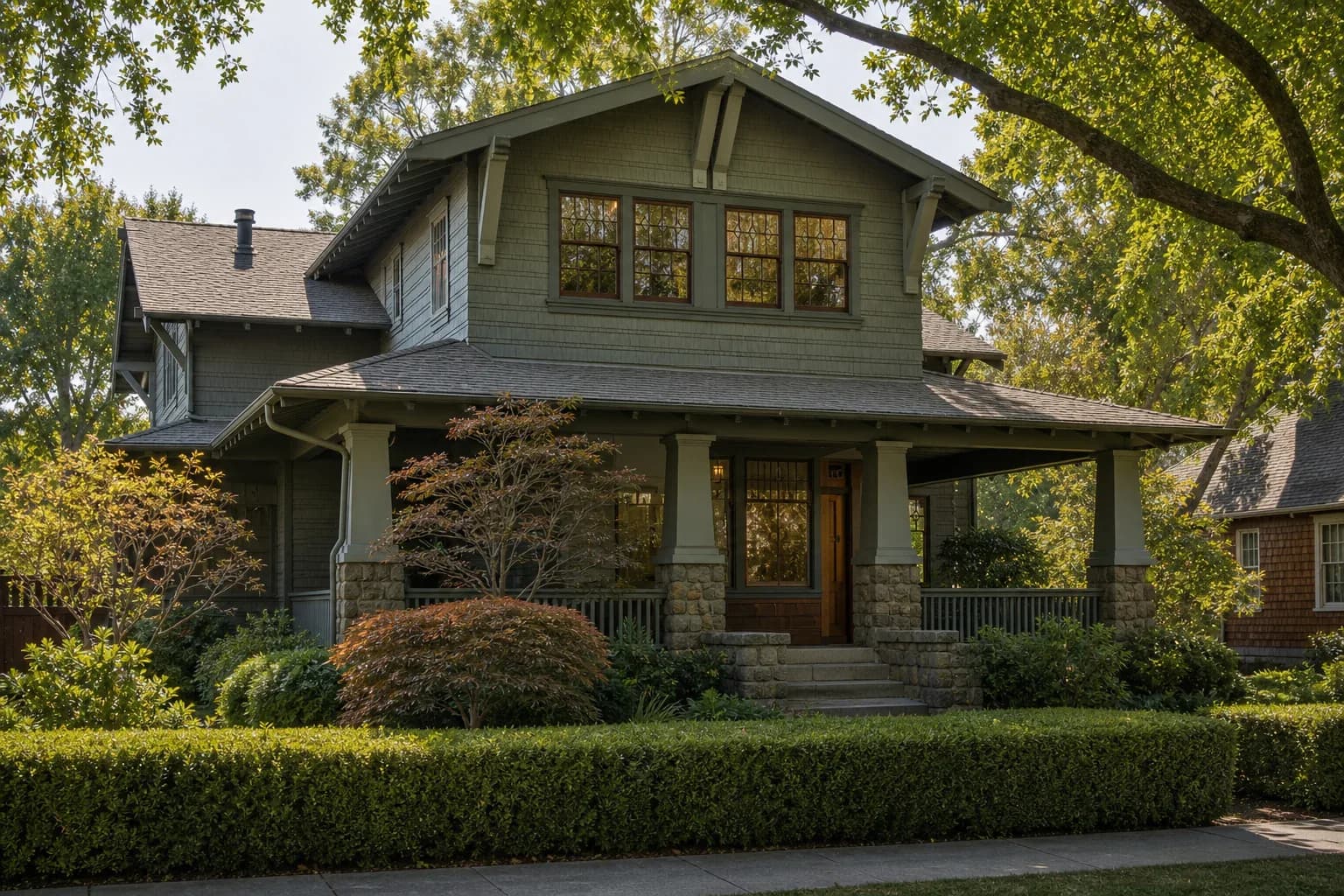
Choosing between neighboring luxury markets requires a deeper comparison than a citywide price statistic. The decisive differences are pace, access, schools, and the property itself.
Palo Alto vs Menlo Park is a choice between two nearby cities with distinct neighborhoods and daily rhythms. For many luxury buyers, the right decision depends less on broad market labels than on school boundaries, commute patterns, lot quality, renovation potential, neighborhood pace, and privacy. Compare specific homes and daily routines before choosing. Two nearby properties can deliver sharply different ownership experiences and long-term value for your household.
The question is not which city wins overall, but which trade-offs best protect your lifestyle, time, and capital. Palo Alto vs Menlo Park at a glance sets the decision frame before the deeper neighborhood and property-level analysis.
Palo Alto vs Menlo Park at a glance
Palo Alto and Menlo Park both offer compelling choices for a luxury buyer. The better fit depends less on a broad reputation and more on your daily priorities. Start with commute patterns, preferred streets, nearby services, and the type of home you want.
The clearest points of difference
Palo Alto may suit buyers who want direct access to a larger city center and close ties to Stanford. The university’s history in the area reaches back to 1885, according to Stanford’s official history. Menlo Park may appeal more to buyers who often travel along Sand Hill Road or prefer its distinct neighborhood settings.
| Decision factor | Palo Alto | Menlo Park |
|---|---|---|
| Daily focus | Stanford access and city activity | Sand Hill Road access and neighborhood routine |
| Buyer approach | Compare streets near key destinations | Compare distinct neighborhood areas |
| Home search | Review lot, layout, and location together | Review lot, layout, and location together |
| School planning | Confirm the assigned district and campus | Confirm the assigned district and campus |
| Due diligence | Assess the specific property and block | Assess the specific property and block |
Sand Hill Road has a documented connection to venture capital and technology start-ups. An academic review of venture capital investment describes this link. That location may matter greatly for one buyer, while Stanford access may shape another buyer’s routine.
How to compare the homes
Citywide labels cannot tell you how a home will function. Compare each property’s layout, privacy, outdoor space, and renovation needs. Then test the actual trip to work, school, dining, and other frequent destinations at the times you will travel.
School planning also requires address-level care. Do not assume that a city name confirms a school assignment. Review the current district boundary and enrollment rules for each property before making a choice.
A priority-led choice
A useful shortlist starts with three nonnegotiable needs and two flexible preferences. Rank homes against those items rather than choosing a city first. This process keeps a strong property from being dismissed because of a broad assumption.
Review Menlo Park’s unique neighborhood characteristics before narrowing the search. A focused comparison should then consider each home’s terms, condition, risks, and long-term fit. The right choice is the one that supports your real routine.
How does neighborhood character differ?
The Palo Alto vs Menlo Park choice often turns on daily rhythm, not a simple ranking. Each city contains distinct neighborhoods, so broad labels can mislead. Buyers should compare the blocks and routines that matter to them.
Pace and public life
Palo Alto may appeal to buyers who want a more active public setting near shops, offices, and dining. Its character also reflects its relationship with Stanford. The university’s campus still carries the nickname “the Farm,” according to Stanford’s history.
That connection can shape a buyer’s sense of place, but the effect varies by neighborhood and time of day. Narrow the search by neighborhood rather than by city reputation. Then visit likely routes during a weekday morning, evening, and weekend.
Downtown patterns and privacy
Menlo Park can feel more restrained to some buyers, with daily life spread across smaller commercial areas and residential pockets. That description is not universal. A home near downtown may feel quite different from one on a quiet interior street.
Privacy also depends more on the property than the city name. Lot position, landscaping, street traffic, and nearby development all affect how secluded a home feels. Our Menlo Park homes for sale guide explains how to compare specific addresses.
Downtown access deserves a practical test. Walk from a candidate home to coffee, dinner, or an errand that reflects your routine. Note crossing comfort, noise, parking, and whether the trip still feels convenient after dark.
A daily-life fit test
A polished showing reveals only part of neighborhood character. Test the home as if you already live there. Drive the likely commute, walk the nearest commercial area, and spend time outside the property.
- Visit at two or more times to observe changing traffic and activity.
- Test the routes that matter, including work, school, and regular errands.
- Listen from the yard and main rooms with windows open.
- Compare privacy from the street, neighboring homes, and rear boundaries.
Keep notes on the same factors for every home. This method makes subtle differences easier to compare. It also keeps the choice focused on personal fit rather than a city’s general reputation.
Compare housing stock and property possibilities
Housing stock beyond the facade
A Palo Alto vs Menlo Park search should compare individual properties, not just city names. Buyers may find different home ages, layouts, additions, and renovation histories within either city. Start by defining the space you need now and the changes you may want later.
Review floor plans with daily use in mind. A formal room may suit entertaining, while a flexible room may better support work or guests. For local context, study our Palo Alto homes for sale guide alongside the details of each property.
Lots and improvement options
A larger-looking yard does not always offer more building freedom. Setbacks, easements, trees, access, and existing structures can shape what is practical. Ask for the parcel map and available permits before treating an idea as a workable plan.
Consider whether the existing home can support your goals with focused changes. Remodeling may preserve useful features and shorten the path to occupancy. A major addition or new design can offer more control, but it calls for deeper review.
Compare each opportunity on its own terms, rather than assuming one lot pattern defines the city. Walk the property at different times. Notice privacy, light, neighboring structures, and how outdoor areas connect with the home.
Due diligence before commitment
Strong due diligence separates visible appeal from long-term fit. Review permits, disclosures, title materials, inspection reports, and known repair history. If you plan changes, consult qualified local professionals before assigning value to that potential.
New construction can also affect the ownership cost picture. Santa Clara County guidance notes that new construction can create a supplemental property tax bill. Ask how planned work, a change in ownership, and local assessments may affect your budget.
- Confirm which past improvements have permits and final approvals.
- Check title items, easements, and boundaries against your plans.
- Review likely repair needs before estimating a remodeling scope.
- Test design ideas with the right planning and building advisers.
The best choice depends on the whole property, not a broad city label. Compare present condition, lot limits, and realistic improvement paths together. This approach shows which home offers the clearest fit for your priorities.
Which city better supports your commute?
The Palo Alto vs Menlo Park commute choice depends more on the address than the city name. Start with each home’s route to work, school, Caltrain, and regular errands. A short map distance can still hide a difficult daily pattern.
Map the full weekday routine
List every trip your household makes during a normal week. Include office days, school drop-offs, appointments, and evening activities. Then compare how each address fits the full schedule, not just one commute.
Palo Alto may suit buyers whose routines center on Stanford or nearby work sites. Stanford’s campus sits on land once used as the family’s Palo Alto Stock Farm, according to Stanford’s history. Menlo Park may better fit routines tied to Sand Hill Road. The road is known for venture capital activity, as described by the University of Michigan.
These broad patterns are only a starting point. Review the exact streets between a home and each frequent destination. The relevant route may cross busy areas, require several turns, or work well only at certain hours.
Test Caltrain and road access
If Caltrain matters, measure the complete station trip. Account for reaching the platform, parking or bike storage, waiting, and travel after arrival. A home farther from a station may still offer a simpler door-to-door routine.
Use the same method for driving. Map access to major roads from each property, then note where trips tend to slow. Compare alternate routes as well. Road work, school traffic, and changing office schedules can alter the best option.
Neighborhood layout also shapes daily mobility. Compare routes, nearby services, and likely travel patterns for each candidate. Apply the same address-level review to every Menlo Park candidate.
Run peak-hour test drives
Drive each important route during the hours you expect to use it. Test a weekday morning, an afternoon school period, and an evening return. If your schedule varies, repeat the route on another day.
Record the range of travel times instead of relying on one result. Also note stressful turns, station access, parking, and the final walk. No city can guarantee a fixed commute. The better choice is the address that supports your household’s real weekly pattern.
Build a purchase strategy across both cities
Define the decision before the search
A sound Palo Alto vs Menlo Park search begins with priorities, not listings. Rank daily needs such as commute, school options, privacy, lot size, and downtown access. Then separate firm requirements from preferences that may change after touring.
Set one total ownership budget for both cities, including planned work and reserves. California buyers should also account for assessments and possible supplemental bills after a change in ownership. Santa Clara County explains how supplemental property tax bills arise after reassessable events.
A sequenced cross-city search
Use the same process in each city. This approach makes trade-offs visible and keeps one attractive home from resetting the strategy. An experienced advisor can also frame the search around value, contract terms, and likely resale demand.
- Set the scorecard. Give each priority a weight before touring. Include location, condition, expansion potential, privacy, and the cost of ownership.
- Select micro-markets. Choose a small group of neighborhoods in each city. Compare specific streets and property types rather than broad city averages.
- Tour in matched groups. View similar homes in Palo Alto and Menlo Park during the same period. Record scores and concerns after each visit.
- Test the property. Review disclosures, inspections, title matters, insurance, zoning, and planned work. Confirm school assignments and commute times directly.
- Model the offer. Study recent comparable sales, current competition, and seller priorities. Set a value range, a walk-away point, and acceptable contract terms.
Matched tours are useful because city labels can hide major differences between nearby blocks. Study the homes near Sand Hill Road before selecting routes. Then revisit each finalist at different hours to assess traffic, light, noise, and neighborhood activity.
Due diligence and offer discipline
Luxury due diligence should address both the home and the future plan. A renovated property may reduce near-term work, while a larger lot may offer more flexibility. Buyers should verify assumptions with qualified inspectors, legal counsel, tax advisors, and relevant public agencies.
Before bidding, create a written offer plan for each finalist. It should state the supported price range, preferred timing, contingency position, and limits on repairs or credits. Seller priorities can shape terms, but they should not erase the buyer’s risk controls.
Strong representation keeps the two-city comparison active until a contract is signed. The goal is not to win every negotiation. It is to secure the right property on terms that fit the broader plan. Learn how Robert Parish represents luxury buyers across both markets.
How should you decide between Palo Alto and Menlo Park?
The Palo Alto vs Menlo Park choice has no universal winner. The stronger fit reflects where you spend time, how you live, and which trade-offs matter most. Start by ranking your priorities before touring homes.
Set your non-negotiables
Write down the three factors that would shape daily life most. These may include commute time, lot size, school needs, walkability, privacy, or access to key people. Separate true requirements from preferences that could change for the right property.
Location should receive more weight than finishes you can alter later. Palo Alto may suit buyers who value its Stanford-adjacent setting and broad tech ties. Review Palo Alto lifestyle and market insights to see how its distinct areas support different routines.
Test each daily routine
Picture an ordinary Tuesday, not an ideal weekend. Drive the likely commute during normal traffic. Visit the blocks near a candidate home at several times, then note noise, parking, and access to daily needs.
Menlo Park may appeal when Sand Hill Road access carries more weight. An academic review describes how tech entrepreneurs seek venture funding on Sand Hill Road. Consider whether that location supports your weekly schedule before deciding.
Use the same test for both cities. A home that shortens one commute may lengthen another. Also consider visits to family, schools, airports, and the places you use each week. Repeat the trip when traffic or school schedules change.
Compare homes with a scorecard
Score each serious home against the same short list. Give more points to lasting traits, such as location, street setting, lot, and floor plan. Give fewer points to paint, fixtures, or other changes that are easier to make. Review scores with everyone involved before making an offer.
- Daily fit: commute, errands, walkability, and regular destinations
- Property fit: privacy, outdoor space, layout, and future needs
- Financial fit: purchase price, likely improvements, and ongoing costs
- Decision risk: compromises you may regret after the excitement fades
Then compare the top homes, not just the two city names. One exceptional property can outweigh a modest citywide preference. If scores remain close, revisit the biggest compromise and decide whether it will matter in five years.
Frequently Asked Questions
Is one city consistently more expensive than the other?
Not for every property type or neighborhood. Pricing depends on the home’s location, condition, lot, floor plan, and current competition. Buyers should compare recent sales for similar properties before setting a budget or assigning a premium to either city.
How do school options compare in Palo Alto and Menlo Park?
Neither city is automatically better for every student. School assignments, grade paths, programs, and enrollment rules can vary by address. Buyers should verify the assigned schools directly with each district before making an offer. They should also compare the specific programs and services that matter to their family, rather than relying only on citywide reputations or rankings.
How should professionals choose between Palo Alto and Menlo Park?
The better choice depends on a buyer’s workplace and professional network. Palo Alto offers close access to Stanford and many local employers. Menlo Park provides access to Sand Hill Road and other business areas. Buyers should test their actual commute during peak hours, since a short distance can still involve meaningful travel time.
How should a family choose between Palo Alto and Menlo Park?
Palo Alto may suit families seeking a more active, urban-suburban setting near Stanford. Menlo Park may suit those preferring a quieter residential pace. The right choice depends more on the specific neighborhood than the city name. Families should compare school assignments, commute patterns, parks, lot sizes, and nearby services before deciding where to buy.
Ready to Choose Between Palo Alto and Menlo Park?
Waiting to clarify your priorities can prolong uncertainty and make each promising property harder to assess with confidence. A focused comparison now helps you define which location, home features, and daily experience fit your plans. Starting early also gives you time to prepare a clear purchase strategy before the right opportunity appears.
Ready to choose your next California home with greater clarity? Review your priorities, preferred neighborhoods, and purchase goals with an experienced luxury real estate advisor. Discussing your needs now can narrow the search and establish practical criteria for comparing future opportunities. You can move forward knowing what matters most and which trade-offs support your long-term plans. Schedule a buyer consultation to create a focused search plan for Palo Alto or Menlo Park.