Portola Valley Real Estate Guide: Space, Nature & Community
Schedule a consultation to explore Portola Valley real estate. Discover trails, top schools, zoning, and neighborhoods in this exclusive Peninsula town.
July 17, 2026 · 14 min read · Property guides
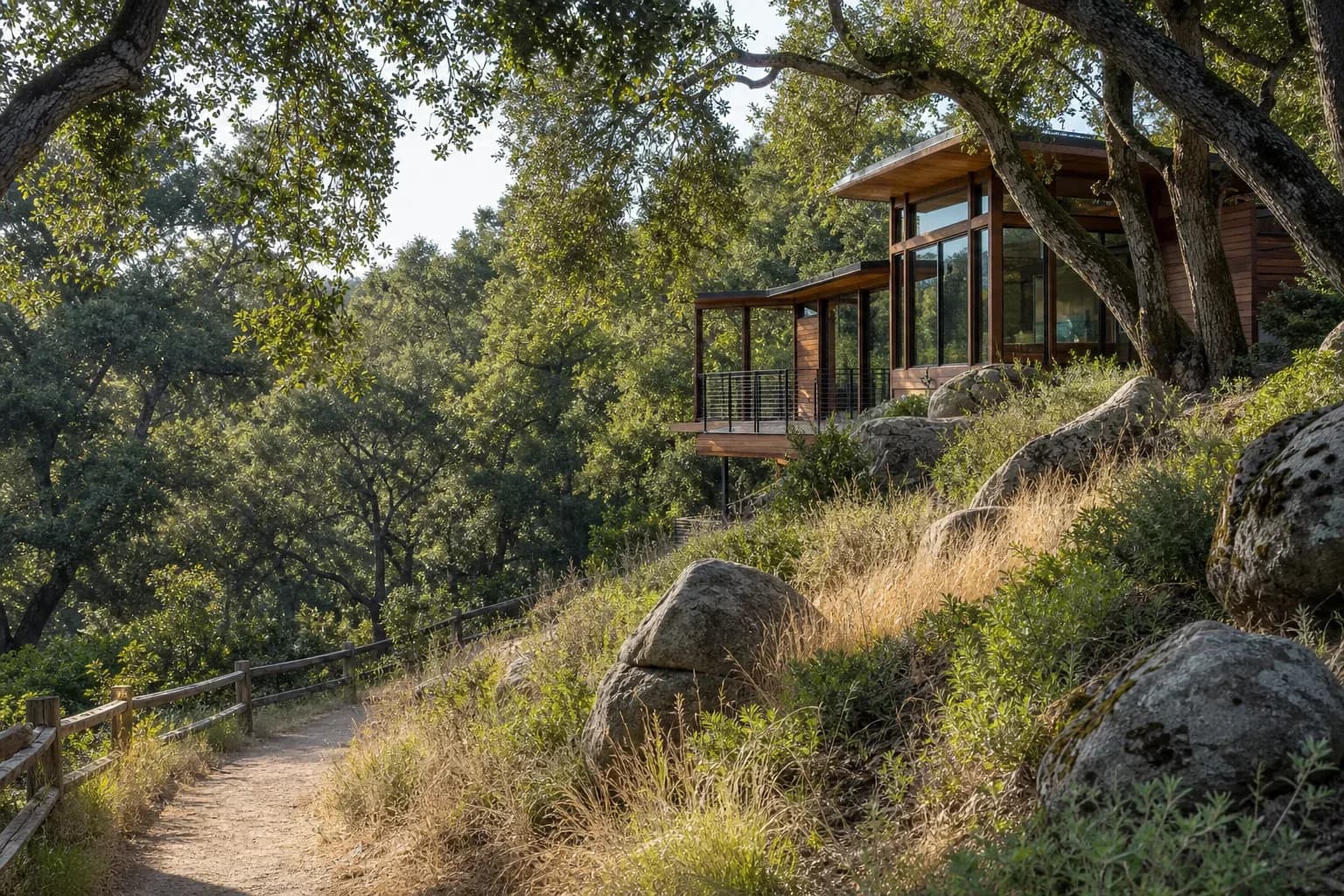
Investing in Portola Valley real estate offers home buyers a rare balance of rural tranquility and direct Silicon Valley proximity.
Portola Valley real estate represents one of the most exclusive and natural residential enclaves in California. Incorporated in 1964 to preserve its rural character. This nine-square-mile town is home to roughly 4,500 residents who enjoy a highly protected landscape with minimum lot sizes of one to five acres. The local community maintains 1,900 acres of permanent open space and a 36-mile public trail network that matches the mileage of its paved roads. For buyers seeking privacy and acreage, the market offers a rare combination of scenic tranquility and immediate proximity to Stanford University and the Interstate 280 corridor.
While the local market offers exceptional privacy, the unique lifestyle here is rooted in the outdoors. Understanding how these scenic spaces shape the community is the first step toward finding your ideal home. Trails and open space define daily life in this quiet Peninsula enclave, guiding how residents connect with nature every day. If you are already budgeting, our breakdown of Portola Valley luxury home prices shows how acreage and views translate into value.
Trails and Open Space Define Daily Life
Portola Valley offers a rare lifestyle where nature integrates with daily routines. The town prioritizes land preservation to keep its rural feel intact. Living here means having direct access to quiet paths, scenic ridges, and dense redwood forests right outside your door.
A Network of Paths and Streets
The layout of the town shows its dedication to the outdoors. Portola Valley maintains 36 miles of trails, which is nearly equal to its 35 miles of public streets. This unique balance means you can often walk, run, or ride a horse across town without using main roads. Residents use these paths for daily exercise, dog walks, and quick trips to local meeting spots. This design makes physical activity and outdoor time a natural part of daily life. Research in PMC Environmental Health shows that regular contact with green spaces supports better mental wellbeing, making this layout a major benefit for local health.
Preserves and Ridge Trails
Two major open spaces define the local landscape and offer diverse outdoor options. The Windy Hill Open Space Preserve spans 1,414 acres of open grassland ridges and oak forests. It features multiple trailheads near residential areas and provides sweeping views of the San Francisco Bay. For a shorter daily walk, Coal Mine Ridge offers shaded, oak-lined loops that remain cool even in the summer. These protected areas allow residents to find solitude and enjoy California wildlife just minutes from home.
Equestrian Heritage and Culture
Horses are a central part of the community identity in Portola Valley. Many homes in areas like Westridge feature private stables and direct trail access. The town also hosts world-class training facilities and boarding stables that support riders of all skill levels. This rich equestrian culture helps preserve large lot sizes and keeps the local landscape open and scenic. When looking at Portola Valley real estate, buyers often seek properties that connect directly to this historic trail system, which is one reason Woodside and Portola Valley draw comparisons from equestrian buyers.
Schools and Community Life
Families drawn to Portola Valley real estate often prioritize the local educational system and the close community bonds. The Portola Valley School District serves local residents with highly rated schools that blend academic focus with outdoor learning. This balanced approach to education mirrors the active lifestyle that defines the region.
Academic Excellence and Outdoor Learning
The local school district focuses on small class sizes and personalized instruction to support student growth. According to a California housing element report, public participation and deep civic engagement shape local services, including public education. The Safe Routes to School program is a key local initiative that connects the town’s extensive trail network directly to school campuses. Allowing students to walk or bike to school safely. For older students, the proximity to high-performing schools in Palo Alto and nearby Stanford University provides excellent long-term academic paths.
A Vibrant Town Center
The Portola Valley Town Center serves as the social heart of the community. This award-winning facility includes a modern public library, spacious playing fields, and a community playground where local families gather. It acts as a central meeting place that fosters strong neighborhood connections. Buyers who want to compare this town with other Peninsula options can explore our Peninsula community guides to see how civic amenities support long-term property values. This central hub ensures that while homes remain private and rural, community life is active and accessible.
Neighborhood Enclaves: Finding the Right Pocket
Portola Valley real estate is not a collection of uniform subdivisions. Instead, this scenic town consists of distinct residential pockets, each offering a unique lifestyle. Because only 25 to 40 homes sell per year across the entire municipality, understanding the nuances of these enclaves is essential for focusing your home search. Whether you prioritize horse trails, architectural prestige, or a shorter morning commute, finding the right neighborhood is the first step toward securing your ideal property.
Westridge: Equestrian Estates and Deep Privacy
Westridge represents the peak of rural luxury in the region. This expansive, hilly neighborhood is characterized by winding roads, quiet cul-de-sacs, and mature oak trees that shield homes from view. Many properties here exceed the standard one-acre minimum, offering several acres of usable land suitable for equestrian facilities and private barns. Residents enjoy direct access to the town trail network, allowing horse riders and hikers to explore the scenic ridges right from their driveways.
Privacy is the primary draw of Westridge. Because homes sit far back from the street on steep or rolling hillsides, the enclave feels like a remote mountain retreat. However, this seclusion means you are farther from daily shopping. It is an ideal fit for buyers who prioritize space, quiet, and grand estate living over quick access to town services.
Blue Oaks: Prestigious Custom Homes
If you prefer architectural uniformity and modern luxury, Blue Oaks offers a distinct alternative. This prestigious enclave is known for its custom estates, often valued in the $8 million to $15 million range. The neighborhood features a gated feel with manicured landscaping, wide streets, and spectacular views of the western hills. The homes here showcase sophisticated design, blending indoor-outdoor living with high-end finishes and expansive pools.
Living in Blue Oaks provides a sense of community structure that is rare in more rural parts of town. Homeowners in this pocket are often looking for newer construction with state-of-the-art systems and low-maintenance yards. It is a highly sought-after destination for professionals who want the tranquility of the valley without the land-management responsibilities of a larger equestrian ranch.
Los Trancos: Redwood Canyons and Easy Commutes
For buyers who balance a peaceful home life with a daily commute, Los Trancos offers excellent practical advantages. This pocket sits near Alpine Road. It provides the fastest access to Interstate 280 and the Stanford University campus. The neighborhood is popular with academic professionals and tech executives. These buyers need a quick drive to work but still want to come home to a redwood-shaded canyon. According to the United States Geological Survey, the local bedrock and fault lines require careful site reviews during construction, which keeps the rural landscape highly protected.
Central Portola Valley: Town Center and Local Paths
Central Portola Valley features smaller lots that are highly accessible for daily errands. From here, you can walk or ride a bike along paved paths to the local library, the playing fields, or the grocery store. This central pocket is a hub for families who want to be close to top-rated schools while maintaining a strong connection to the local community. To learn more about selecting the right home in these competitive areas, you can read our Portola Valley luxury home inspection guide to prepare for your purchase. A professional review ensures your investment is secure before you make a formal offer, and our buyer representation approach explains how that review fits into the wider search.
How Portola Valley Compares to Nearby Communities
Selecting the right Peninsula community requires a clear look at local zoning, land use, and pricing. While nearby towns share a reputation for high-end homes, their core plans differ. Buyers of Portola Valley real estate often seek a rural feel that is hard to find in more traditional suburbs.
Key Differences in Local Zoning
Zoning laws shape the look and feel of each town. Portola Valley enforces strict land use policies that favor open space and low density. The town maintains about 1,900 acres of permanent open space as noted by local community land use reports. This focus on preservation keeps the area feeling like a rustic retreat. Nearby Atherton is flat and features manicured estates. Woodside shares a rural horse culture but has larger lot minimums in some pockets. Los Altos Hills offers a hilly, suburban setup with one-acre minimums but lacks the deep trail network found in Portola Valley.
A Side-by-Side Community Comparison
To help you find the best fit, this table compares key traits of Portola Valley and its neighbors. It highlights land sizes, trail access, and pricing tiers across these prime California markets.
| Community | Lot Size Minimums | Trail Access | Price Range | Commute to Stanford |
|---|---|---|---|---|
| Portola Valley | 1 to 5 acres | 36 miles of local trails | $4.0M to $15.0M | 10 to 15 minutes |
| Atherton | 1 acre | Very limited | $8.0M to $30.0M+ | 15 to 20 minutes |
| Woodside | 1 to 5 acres+ | Extensive horse trails | $5.0M to $25.0M | 15 to 25 minutes |
| Los Altos Hills | 1 acre | Moderate trail system | $4.5M to $18.0M | 20 to 30 minutes |
Commute and Daily Living
Your daily drive and access to services are key factors in your choice. Portola Valley offers a very fast drive to Stanford University and Interstate 280. This makes it a top pick for professionals who want a quick drive to work but a quiet home life. While Portola Valley has almost no retail shops, residents are only minutes away from dining in Menlo Park or Palo Alto. Living near green spaces also supports health, as academic studies on mental wellbeing and nature show that regular contact with wild spaces helps lower stress. For those who want to track local trends across these markets, reading regular market insights can help you make a smart, timely choice.
Zoning and the Rural Character
Portola Valley has a unique rural look because of its zoning choices. The town has kept this character since its start. In 1964, local leaders set up the town to preserve land and limit growth, as shown by historical records on Portola Valley sustainability. This choice has protected the scenic beauty of the area for many decades.
Low Density and Large Lots
Most neighborhoods in the area require large home sites. Minimum lot sizes range from one to five acres depending on the specific location. These rules prevent crowding and give residents a lot of privacy. By keeping homes far apart, the town preserves its natural wooded views and open hills.
These strict land rules have a big impact on local home sales. Buyers must understand these local guidelines when looking at buying property in Portola Valley. The rules make sure that new builds fit in with the landscape instead of changing it.
No Large Commercial Districts
You will not find large shopping malls or corporate offices here. The town has no major commercial zone. Instead, the small Town Center serves as the main gathering place. It features a local library, playing fields, and a few small businesses. This focus helps the town maintain a quiet, slow pace of life.
By banning major retail spaces, the town keeps traffic low. This choice sets the area apart from other parts of Silicon Valley. Residents enjoy a peaceful retreat that is still close to major jobs and schools.
The Portola Valley Real Estate Market at a Glance
The Portola Valley real estate market is defined by high demand and low supply. Home buyers choose this region for its large lot sizes, rural feel, and close access to local technology hubs. Because the town values natural preservation, inventory remains highly restricted throughout the year.
Key Market Pricing Indicators
Properties in this enclave represent some of the most exclusive housing in California. According to local MLS transaction records, the median list price for homes typically ranges from $3.8 million to $4.3 million. High competition often drives final sales higher, with the median sale price landing between $4.3 million and $5.5 million. On a per-square-foot basis, buyers can expect to pay anywhere from $1,050 to $1,635 depending on the home age, views, and exact neighborhood lot size.
Tight Inventory and Supply Constraints
The defining feature of this local market is how few homes actually become available. Only 25 to 40 homes sell per year in the entire town. This low volume is due to strict zoning laws that limit density, as outlined by the California Department of Housing and Community Development. Because land preservation is a core town policy, new home construction is very rare. This lack of new inventory means that buyers must often wait months for a property that fits their specific needs.
Navigating the Purchase Process
Due to the competitive and fast-moving nature of local transactions, buyers need patience and clear strategy. Working with a professional who understands local land regulations, septic rules, and geologic hazards is critical, and our guide to luxury home due diligence in Silicon Valley outlines the reviews that matter most. Preparation and local market knowledge are the most important tools for securing a home in this tight market.
Frequently Asked Questions
What is it like to live in Portola Valley?
Living in Portola Valley offers a quiet lifestyle defined by a deep connection to nature. The town maintains 36 miles of scenic trails alongside 35 miles of streets, making it a haven for hikers and horse riders. Residents enjoy a rural environment with no large shopping centers, all while staying just minutes from Stanford University and Silicon Valley tech hubs.
How does the town protect its rural character?
The community preserves its open feel through strict zoning rules and land policies. Incorporated in 1964, the town has 1,900 acres of permanent open space and enforces a minimum lot size of one to five acres in most areas. According to historical town records, it also adopted the first slope-density regulations in California in 1967 to limit building on hillsides.
What are the public schools like in Portola Valley?
Families benefit from highly rated public schools within the local Portola Valley School District. The local campuses, such as Ormondale Elementary and Corte Madera School, are known for strong parent involvement and excellent academic programs. In addition, the town’s Safe Routes to School initiative connects local campuses directly to the neighborhood trail network for pedestrian safety.
How many homes sell in Portola Valley each year?
The local housing market is extremely exclusive with very low inventory. Only about 25 to 40 homes are sold in the entire town each year. This limited supply of properties creates high demand and strong competition among buyers looking for large, private estates near major employment centers on the San Francisco Peninsula.
Ready to start your Portola Valley real estate search?
Delaying your search in this highly competitive market often means missing out on rare properties that match your lifestyle. With only a few homes selling each year, acting quickly ensures you secure the acreage and privacy you want. Working with an experienced local Advisor helps you navigate complex land regulations and off-market opportunities before other buyers can act.
Ready to find your ideal home? Call Robert Parish at 650-400-1011 to schedule a consultation about Portola Valley real estate. Let us help you find a property that balances Silicon Valley access with the peaceful, natural space you need.