Palo Alto vs Menlo Park: Choose Your Ideal Peninsula City
Compare Palo Alto vs Menlo Park across schools, housing, commute times, and lifestyle. Find your ideal Peninsula community with expert insights.
July 20, 2026 · 17 min read · Relocation
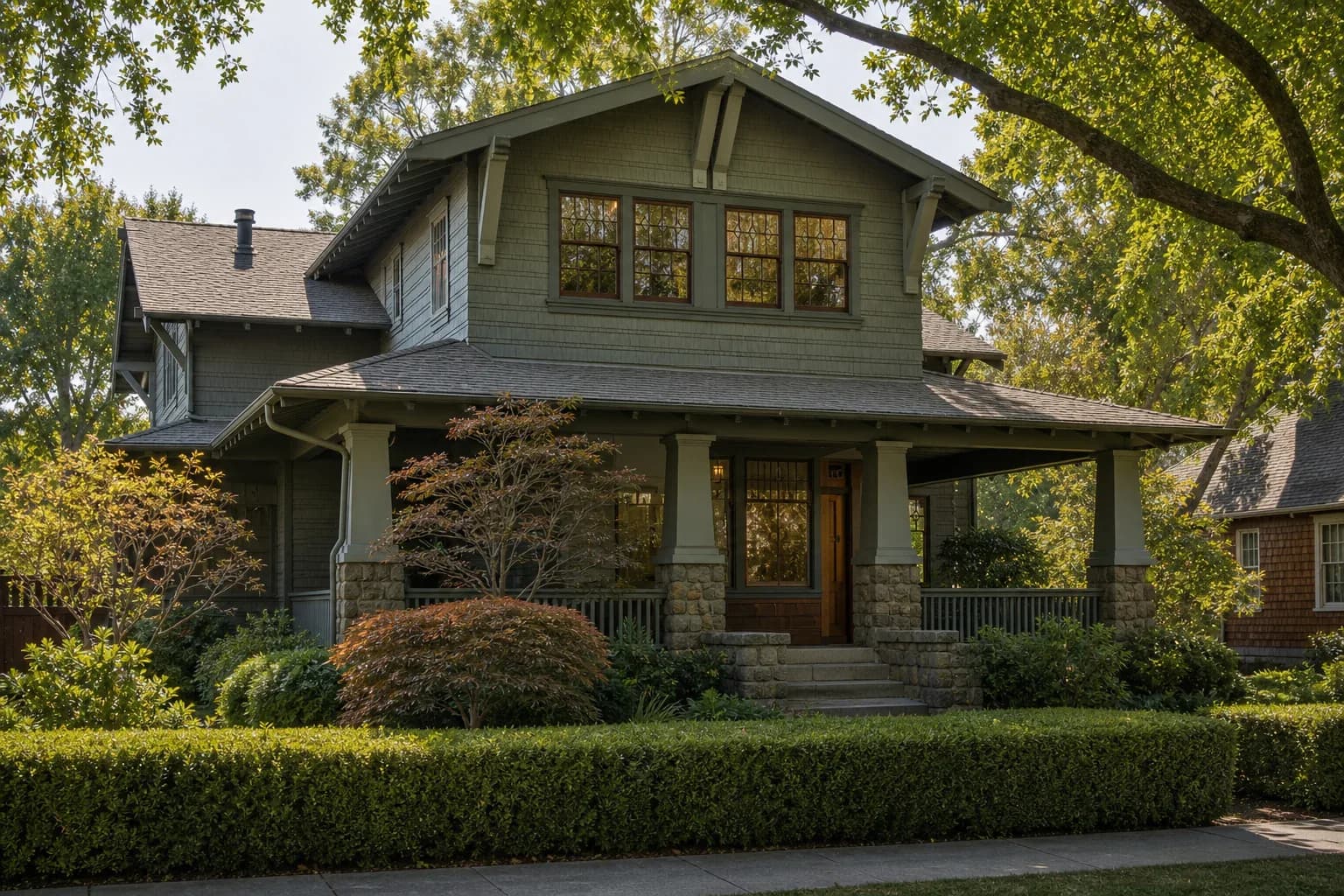
A five-minute drive down El Camino Real separates two of the most sought-after towns in California. While Palo Alto has a lively urban feel, Menlo Park offers a calmer suburban style.
Palo Alto vs Menlo Park is a choice between active urban and quiet suburban living. Palo Alto has a busier feel, with its dense downtown near Stanford and top schools. In contrast, Menlo Park has a slower pace, with a walkable downtown near tech employers. Both cities command premium real estate prices. Median home values exceed two million dollars according to U.S. Census data. Palo Alto has slightly higher prices. Menlo Park offers larger lots and a quiet, family-friendly style. Buyers seeking active city living select Palo Alto. Those wanting a village feel choose Menlo Park.
If you are planning a move to the Peninsula, you likely wonder which community fits your daily routine. The best way to start is by comparing Palo Alto vs Menlo Park key differences. Here is how they compare.
Palo Alto vs Menlo Park Core Differences
When comparing Palo Alto vs Menlo Park, homebuyers find two different real estate markets. Both cities sit in Silicon Valley and offer fine living choices. But each town has its own scale, market speed, and local style. Knowing these core traits helps you make a confident move.
Demographic patterns and education rates
According to the U.S. Census Bureau, Palo Alto has a population of about 67,609 people. The population in neighboring Menlo Park stands at about 32,713 people. This size difference shapes the daily feel of each area. Palo Alto offers a busier city tone, while Menlo Park feels more like a quiet village.
Local schools and school rates are highly valued in both cities. Data shows that 74.4% of adults in Palo Alto have a bachelor’s degree or higher, compared to 60.8% in Menlo Park. Buyers can review the Palo Alto community profile to see how these facts match their goals. Educational success remains a key driver of property values in both areas.
Both cities draw people who care about school and career growth. With Stanford University located next door, the local culture values high learning success. This shared focus shapes the local job base, active school boards, and close-knit neighborhood groups. These groups work to keep local parks clean, safe, and welcoming.
Current real estate market dynamics
The housing market in both areas is hot. As of May 2026, the median home price in Palo Alto reached $3,597,847. In Menlo Park, the median sale price was slightly lower at $3,290,531. This is a gap of about $307,000, with Palo Alto prices sitting about 9% higher.
To get deeper Palo Alto market insights, buyers should also look at the price per square foot. Palo Alto homes cost an average of $2.09K per square foot. Menlo Park averages $1.67K per square foot. This gap makes a clear difference when looking at homes of the same size.
Growth rates show another gap between the two markets. Menlo Park had a strong year-over-year price gain of 8.6%, while Palo Alto grew by 1.3%. Palo Alto homes average 12 days on the market with two offers. Menlo Park properties average 13 days and get three offers.
Home supply also remains tight in both towns all year. High demand and limited land keep home values strong. Homebuyers often face many offers, so having a skilled Realtor is key to buying a home in these hot markets.
| Metric | Palo Alto | Menlo Park |
|---|---|---|
| Median Sale Price (May 2026) | $3,597,847 | $3,290,531 |
| Price per Square Foot | $2.09K | $1.67K |
| Annual Price Growth | 1.3% | 8.6% |
| Days on Market / Offers | 12 days / 2 offers | 13 days / 3 offers |
| Population | 67,609 | 32,713 |
| High School Graduation Rate | 96.8% | 92.5% |
Housing Stock and Neighborhood Character
Residential housing types
When you study Palo Alto vs Menlo Park, home styles can guide your search. Palo Alto has a varied real estate mix. Its housing stock is 56.6% detached single-family homes and 32.3% multi-family units. In contrast, Menlo Park features 52% detached single-family homes and 28% multi-family units.
Both of these fine cities draw many buyers. The U.S. Census Bureau notes that both places have a median home value above $2,000,000. Because demand is so strong, finding a home can take time. The official Palo Alto Housing Element shows that low home supply and high prices are top local issues.
Small multi-family homes also play a role in each city. In Palo Alto, 2-to-4-unit buildings make up 6.6% of the market. In contrast, Menlo Park has 12% of its housing in these small multi-family layouts. These smaller multi-family options offer other choices instead of detached homes.
Home styles differ across both cities. You will find charming Craftsman, mid-century modern, and new custom homes. Many homes feature mature oak trees and spacious yards. These features give both towns a lush, natural feel that buyers love.
Iconic Palo Alto neighborhoods
Palo Alto has a lively, urban feel near its core. Areas close to University Avenue and Stanford University are dense and walkable. Historic homes with rich designs line these tree-filled streets. These central areas are perfect for those who want to walk to shops and cafes.
Professorville is a historic gem where early Stanford professors built homes. The streets show off classic brown-shingle homes and cozy porches. It is one of the most historic parts of the city. The neighborhood still keeps its early 1900s charm.
Old Palo Alto is where you find some of the most expensive homes on the Peninsula. The area is famous for its grand estates and peaceful atmosphere. Crescent Park is also popular for its large lots and is very close to downtown. These neighborhoods sit close to the city center but feel private and quiet.
Lot sizes vary by neighborhood in both towns. Some older areas have homes set close to the street. Newer homes often feature larger setbacks and deep backyards. A local advisor can help you find the layout that fits your lifestyle.
Distinctive Menlo Park communities
In contrast, Menlo Park offers a classic suburban setting. The city has a quiet, village-style feel with peaceful streets and slow-paced living. If you want to know more, you can read our Menlo Park homes for sale guide. This style of living appeals to those who want a calm, relaxed setting.
Sharon Heights sits on the western side of town. It is known for its rolling hills, clean modern lines, and golf course views. The Willows is highly prized for its community feel and quick access to downtown. Many families choose this area for its friendly streets and neighborhood park.
Belle Haven has a rich history and sits near the bay. The area is close to the headquarters of Meta. It is also seeing new growth and modern homes. Buyers often look here for low-cost entry points into the local market.
Downtowns, Dining, and Everyday Life
Walkability and Downtown Vibes
Palo Alto and Menlo Park both have great downtown areas, but they have distinct feels. Palo Alto is larger, being home to about 67,609 people according to the U.S. Census Bureau. This larger size makes its downtown feel busy and active. Walk Score rates Palo Alto at 61, which shows it is easy to walk.
Menlo Park is a much quieter town with about 32,713 residents. Its Walk Score is 58, which is just a bit lower than Palo Alto. Menlo Park offers a quiet, village-style downtown on Santa Cruz Avenue. This tree-lined street has a relaxed, slow-paced feel that appeals to families and retirees.
You can stroll past quiet bookshops, local bakeries, and cozy cafes without the rush of a big city. By comparison, Palo Alto has a busier retail scene. It is a peaceful place where shop owners know their locals by name.
Dining, Retail, and Culture
Palo Alto has a much busier retail and dining scene, centered around University Avenue. This lively street has top places to eat, cozy coffee bars, and local shops that draw Stanford students and tech workers. You can also visit the Stanford Shopping Center, a beautiful open-air mall with top brands. If you love going out for a nice dinner or shopping on weekends, Palo Alto is hard to beat.
For arts and local shows, Palo Alto shines with key historic venues like the Stanford Theatre, a restored 1925 movie palace. The Palo Alto Art Center also offers free art shows and hands-on classes for all ages. In Menlo Park, the local arts scene is smaller, but people enjoy quiet library events and outdoor music. Both cities offer great local libraries that serve as warm meeting spots for neighbors.
Parks and Outdoor Recreation
Both towns have great green spaces, but their park styles match their unique vibes. Palo Alto boasts major parks like Mitchell Park, which is a top spot for families with its huge playground and splash pads. Rinconada Park offers a public pool and tennis courts under towering redwood groves. If you want to escape into nature, you can hike through Foothills Park, a vast preserve with a peaceful lake.
Menlo Park has quieter, more natural parklands that connect with the scenic Bay. Its crown jewel is Bedwell Bayfront Park, which sits right on the edge of the water. This park offers flat dirt trails for running and biking, and it connects directly with the Bay Trail. For a peaceful afternoon of bird-watching or a quiet walk by the water, Menlo Park is the best choice.
Schools and Education
Public school choices play a large role when choosing between these cities. Both cities boast highly rated systems with different setups.
Palo Alto runs a unified district. Menlo Park divides its grade and high school programs. Local school success is clear. Census data shows 96.8 percent of Palo Alto adults have a high school diploma. In Menlo Park, that rate is 92.5 percent.
Public school systems
The Palo Alto Unified School District serves children from kindergarten through high school. This single district runs twelve grade schools, three middle schools, and two high schools. Because one board directs the entire path, the track to graduation is smooth. Parents praise the strong funding, broad course options, and deep sports programs.
Palo Alto schools benefit from high local property taxes and a close link with Stanford University. The two high schools, Palo Alto High and Henry M. Gunn High, are known for strong STEM programs. These campuses offer advanced classes and labs that prepare students for college.
In contrast, Menlo Park uses a split system. Young children attend the Menlo Park City School District for kindergarten through eighth grade. For high school, local teens move to the Sequoia Union High School District. Depending on their home address, most students attend Menlo-Atherton High School.
The Menlo Park City School District is small and focuses on personal learning. It operates three grade schools and one middle school. For high school, Menlo-Atherton High provides diverse classes, arts, and excellent sports.
Private school options
Many local buyers also look at private choices. Castilleja School is a well-known all-girls campus for grades six through twelve in Palo Alto. In Menlo Park, the Menlo School serves co-ed students in grades six through twelve. Sacred Heart Schools in Atherton offers a faith-based option on a large campus.
These private campuses are highly selective. They draw students from across the Peninsula. They provide small classes, low teacher ratios, and global programs. Many families like the flexible study plans.
Which city has better schools?
Which city has better schools is a frequent question for active home buyers. There is no single winner, as both Silicon Valley cities have top-tier education paths.
If you want a unified path with the same peers, Palo Alto is the clear choice. For small grade school settings and high school options, Menlo Park stands out. Families weighing both districts may also want our luxury buyer comparison of Palo Alto and Menlo Park.
Commute and Transportation
For Bay Area buyers comparing Palo Alto vs Menlo Park, daily transit is a key factor. Both cities sit near main freeways and public rail lines. This makes it easy to reach employers from San Francisco to San Jose. Each town has its own transit perks depending on how you plan to travel.
Rail and Road Networks
Both cities offer quick access to major roads like Highway 101 and Interstate 280. Highway 101 runs along the east side of both towns. It serves as the main route to local tech campuses. Interstate 280 runs along the scenic west side. It provides a faster drive to San Francisco when traffic is light.
Train travel is also very popular here. The Caltrain line has stops in both cities. Menlo Park has one station near its quiet downtown area. Palo Alto has two stations, with its main stop on University Avenue. This main stop is a major hub where fast Baby Bullet trains make regular stops. This is a big plus for those who want a fast train ride to the city or the South Bay.
Commute Times and Tech Hub Proximity
Commute times in both towns are short compared to the state average. According to the US Census Bureau, the mean travel time to work is 21.4 minutes in Palo Alto. In Menlo Park, the mean travel time is 23.9 minutes. These short times show how close both cities are to top employers.
If you work at Meta, Menlo Park is the clear winner. The Meta main campus sits right in Menlo Park. If you want to be close to other tech firms, Palo Alto is very central. It borders Mountain View, where Google has its main offices. Before you buy, review the Palo Alto relocation buyer guide to find homes near transit routes.
Biking and Shuttle Options
Palo Alto stands out for its great bike paths. The city has spent years building safe bike lanes and boulevards. This makes it very easy to ride a bike to school, work, or the store. Many people here ride their bikes every day instead of driving.
Both cities also benefit from local shuttle services. The Stanford Marguerite shuttle is free for school staff and students. It runs through Palo Alto and parts of Menlo Park. This is a helpful perk if you work or study at the school. Both cities are about 30 minutes from San Francisco International Airport.
Which Peninsula City Is Right for You?
Choosing between these two towns depends on your daily routine. Both cities sit in California but offer distinct lifestyles. While Palo Alto has a busier urban energy, Menlo Park provides a quieter, village-like pace. Each town offers deep benefits for the right buyer.
The case for Palo Alto
Palo Alto is the best fit for buyers who want an active downtown and quick access to Stanford University. Tech execs, faculty, and founders often choose this city for its top schools and rich dining options. According to U.S. Census Bureau data, 96.8% of Palo Alto adults have a high school degree or higher.
This focus on learning supports a strong housing market with historic homes in tracts like Old Palo Alto. The city also features modern estates near the town center. If you want a single-family home near retail hubs, you should compare Menlo Park options as well. Doing so helps you see what fits best.
You will likely prefer Palo Alto if you fall into one of these groups:
- Stanford affiliates who must live near campus labs and clinics.
- Tech founders who want a fast-paced lifestyle near Sand Hill offices.
- Downsizers looking for a walkable condo near fine dining.
The case for Menlo Park
Buyers who prefer a quieter, village-like feel should look closely at Menlo Park neighborhoods. This city has an intimate feel. Still, it offers strong growth potential over time. You will find more townhomes here.
It is a great choice for young families. Many residents enjoy being near local parks and walking paths. The area feels quiet. It offers a rare mix of peaceful living and easy access to shops.
Menlo Park is often the top choice for:
- Young families seeking tree-lined streets and a strong community feel.
- Commuters who need quick transit options.
- Buyers looking for a peaceful home after a long workday.
Strategic neighborhood research
No matter which city you choose, success comes down to the block level. Neighborhoods in both areas vary widely. You will find different home styles, lot sizes, and price points. Working with a Realtor who knows these micro-markets is key.
They can guide your tour of local streets. Before you buy, read our Menlo Park neighborhood analysis to study specific districts, then start a conversation about your search. This local knowledge is how we help clients create equity with every transaction.
Frequently Asked Questions
Is Palo Alto more expensive than Menlo Park?
Yes. Both communities have high housing costs, but Palo Alto is generally more expensive. According to the U.S. Census Bureau, both cities report median housing values exceeding $2,000,000. Recent market data shows Palo Alto has a higher median sale price of about $3.6 million, compared to $3.29 million in Menlo Park. Palo Alto also has a higher price per square foot of $2,090, while Menlo Park averages $1,670.
Which city has better schools, Palo Alto or Menlo Park?
Both cities offer outstanding public education, but they are structured differently. Palo Alto students attend the highly-rated Palo Alto Unified School District. According to the U.S. Census Bureau, 96.8% of Palo Alto adults hold a high school degree or higher, compared to 92.5% in Menlo Park. Menlo Park students attend the Menlo Park City Elementary District and Sequoia Union High School District, which also rank among the top systems in the state.
How do the downtown areas compare in Palo Alto and Menlo Park?
Palo Alto features a larger, more urban downtown centered around University Avenue, offering dense dining, retail, and walkability near Stanford University. Menlo Park has a quieter, village-like downtown along Santa Cruz Avenue. Menlo Park offers a more relaxed suburban feel with boutique shops and local cafes. Both downtowns provide excellent community gathering spots, but Palo Alto feels more vibrant and active.
What is the commute difference between Palo Alto and Menlo Park?
Commuters in both cities enjoy quick access to major Silicon Valley tech hubs. Palo Alto offers excellent transit via Caltrain, US-101, and Interstate 280, with an average commute of 21 minutes. In Menlo Park, the average commute is about 24 minutes. This community offers easy access to Meta and Sand Hill Road firms.
Ready to find your ideal home on the Peninsula?
Buying a home on the Peninsula needs quick action. If you wait, you may face higher home prices and meet more buyers who want the same home. Starting your search now gives you a better chance to find a great place. You will see new listings first and have more time to make a smart choice. Do not let the perfect home pass you by while you wait for the right moment. A skilled local Realtor can help you make a strong offer that stands out. We are ready to guide you through this fast market, helping clients create equity with every transaction. Our team has deep local roots and we know how to find the right property for your needs.
Ready to schedule a consultation? Call 650-400-1011 to schedule a consultation.