Atherton Estate Home Buying Guide for Buyers
Schedule a private consultation for an Atherton estate home buying guide focused on inspections, privacy, acreage, and transaction planning.
June 18, 2026 · 11 min read · Buying · Property guides
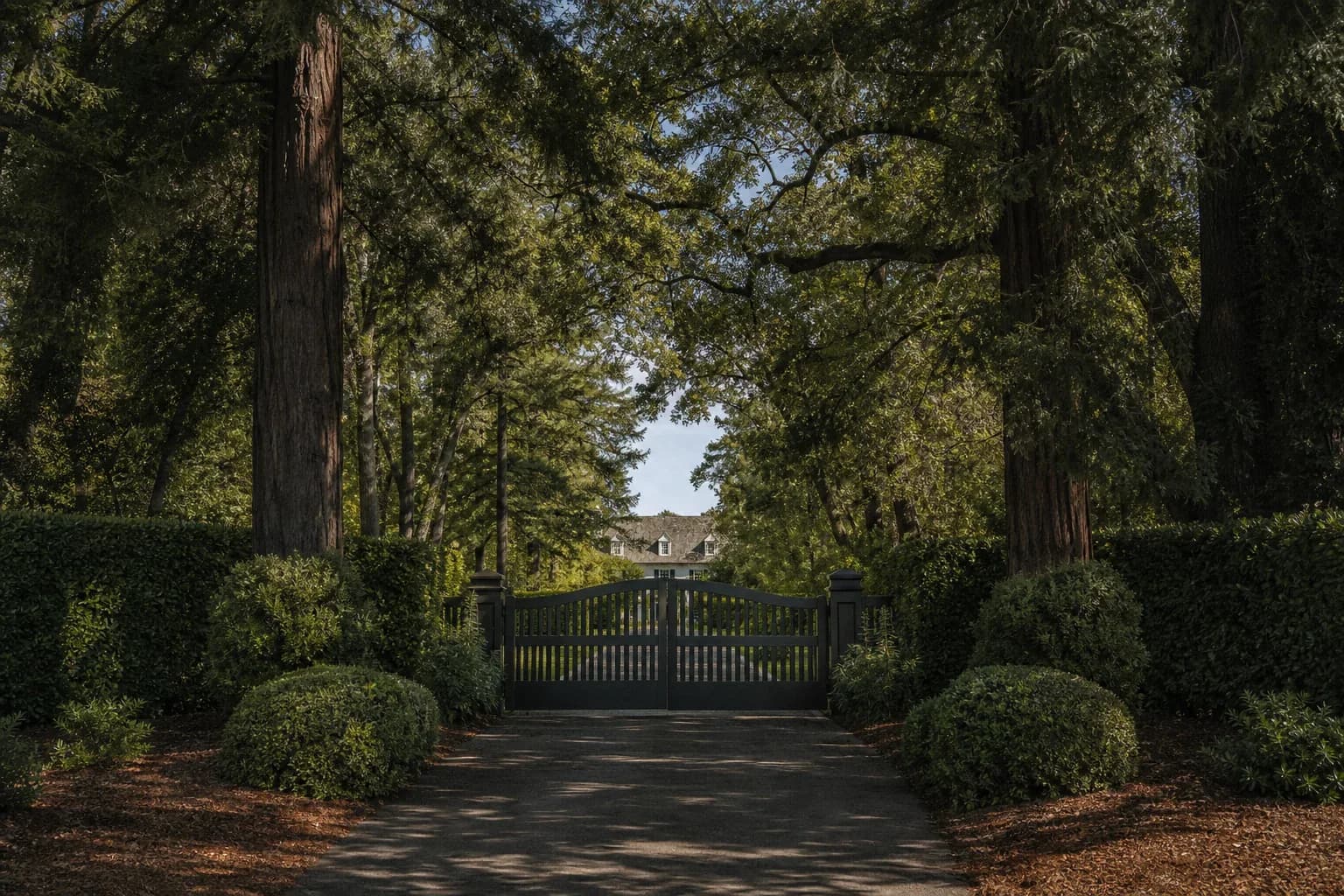
An Atherton estate can offer privacy, space, and a lasting sense of place. It can also demand more careful review than a typical home. The land, auxiliary buildings, mature trees, private systems, and security features all affect value and daily life.
This Atherton estate home buying guide explains how to organize that review. It focuses on practical questions for buyers of high-value properties. The goal is not to replace qualified inspectors or advisers. It is to help you ask better questions before making a major commitment.
Start by defining how you expect to live on the property. Then build a focused team and a clear review plan. Robert Parish brings more than 25 years of real estate experience to that process. His local knowledge and results-oriented negotiation can help buyers keep complex decisions organized.
Start with an Atherton estate home buying guide
Define the life the property must support
Estate homes often impress buyers before the practical review begins. A long drive, mature landscape, or grand main residence can set a strong tone. Yet a good purchase must also support your normal week. Consider how you will use each part of the property.
List the spaces that matter most. These may include a home office, guest space, staff space, a pool, or secure vehicle storage. Separate firm needs from attractive extras. This simple step makes later tradeoffs much easier.
Set decision rules before touring
Create a short scorecard before viewing serious candidates. Include condition, privacy, usable land, auxiliary structures, location, and long-term fit. Assign each item a level of importance. Use the same scorecard after each visit.
A consistent method can limit the effect of presentation. It also helps your team compare homes with very different strengths. Review the Atherton community page before you begin. It provides useful local context for your search, and the 2026 Atherton luxury market guide adds pricing and inventory background.
Build a property-specific review plan
No two estates need the same review. One may have a newer main house and older guesthouse. Another may have extensive grounds, mature trees, and several private systems. Your inspection plan should reflect what is actually present.
Ask your real estate professional to help create a property inventory. Note each building, system, outdoor feature, and access point. That inventory can guide inspection requests and follow-up questions.
How should you inspect an Atherton estate?
A standard home inspection is an important start. It may not cover every specialized feature on an estate. Buyers should identify all major components first. They can then select qualified professionals for deeper review where needed. Our broader guide to luxury home due diligence in Silicon Valley explains how to sequence that work.
Review the main residence as a complete system
Inspect the roof, structure, drainage, electrical system, plumbing, heating, cooling, and interior condition. Look for how these parts work together. A small drainage concern can affect a foundation or finished lower level. Deferred maintenance can also appear across several systems.
Ask inspectors to explain priorities in plain terms. Separate urgent safety or performance concerns from normal upkeep. Request clear notes about items that need specialist review. This creates a useful record for planning and negotiation.
Map every specialized feature
- List all buildings, pools, gates, security equipment, and landscape systems.
- Identify which items need a specialist rather than a general inspection.
- Schedule reviews early enough to receive and discuss written findings.
- Estimate near-term work with qualified vendors when the findings justify it.
- Use the complete picture when planning your response and next steps.
Specialized systems may include pool equipment, irrigation, backup power, elevators, or advanced climate controls. Their condition affects both comfort and ownership planning. Make sure the review covers controls, service history, and visible performance.
Inspect the grounds, not only the buildings
Walk the property slowly and at different points during the visit. Note drainage paths, slopes, retaining features, tree placement, and hardscape condition. Observe how service vehicles reach equipment and auxiliary buildings. Access can affect future maintenance.
Mature landscaping is often central to an estate’s appeal. It can also need focused care. An appropriate tree or landscape professional can help explain visible concerns and likely maintenance needs.
Evaluate privacy beyond the front gate
Study sightlines from important rooms
A gate creates controlled access, but it does not guarantee privacy. Stand in the main living rooms, bedrooms, outdoor dining areas, and pool area. Look toward nearby roads and neighboring properties. Consider both current views and reasonable future changes.
Repeat the exercise from the edge of the property where practical. Notice which windows and outdoor spaces remain visible. Mature trees may screen views today. Their health and long-term care can affect that benefit.
Test everyday arrivals and service access
Privacy must work during normal life. Think through family arrivals, guests, deliveries, contractors, and landscape crews. A beautiful entry can become inconvenient if every service visit crosses the main outdoor living area.
Review gate controls, pedestrian access, exterior lighting, and package delivery options. Ask how each access point is used. Strong privacy is often the result of thoughtful circulation, not simply tall landscaping.
Listen to the property
Visit when possible at different times of day. Listen near outdoor living areas and key bedrooms. Road exposure, landscape equipment, and neighboring activity may feel different as conditions change.
Privacy also includes the experience inside the home. Check window placement and the relationship between guest, work, and family areas. The best layout supports both connection and separation when needed.
What makes estate acreage truly usable?
Acreage can be a major source of value. Yet total area does not describe daily usefulness. Shape, slope, drainage, landscape, access, and existing improvements all affect how the land functions.
Compare visual appeal with practical use
| Feature | What to observe | Why it matters |
|---|---|---|
| Open lawn | Slope, drainage, irrigation, and access | Affects recreation and upkeep |
| Mature trees | Placement, visible health, and canopy | Affects shade, privacy, and care |
| Driveways | Width, turning areas, and service routes | Affects daily use and vendor access |
| Outdoor rooms | Sun, wind, sightlines, and proximity | Affects how often spaces are used |
Walk the grounds with your priorities in mind. A large open area may not suit your plans if access is limited. A smaller outdoor room may offer far more daily value.
Understand maintenance before closing
Ask for available service records and current vendor information. Learn which systems support the grounds. Irrigation, lighting, drainage, gates, and pool equipment may have separate controls and service needs.
Build an ownership plan that includes routine work and likely replacements. This is not only a budget exercise. It shows whether the property fits the time and attention you want to give it.
Research future plans with qualified professionals
If future changes matter, investigate them before relying on assumptions. A buyer may want to add a structure, revise a driveway, or change outdoor areas. Reviewing the town's minimum lot size and zoning rules is a useful starting point, and relevant professionals can then research the facts and explain the appropriate process.
Keep present value separate from future potential. The existing estate should work for your core needs. Possible changes should be treated as a separate decision with their own review.
Review every auxiliary structure carefully
Give each building its own inspection scope
A guesthouse, pool house, detached office, or garage may have its own systems and condition. Do not treat auxiliary buildings as simple extensions of the main residence. Include each one in the property inventory and inspection plan.
Look at structure, roof, utilities, moisture, heating, cooling, and access. Ask how the building has been used and maintained. If a particular use matters to you, confirm the relevant facts with qualified advisers.
Test the relationship between buildings
Placement can determine whether an auxiliary structure adds real value. Walk between buildings as you would during daily life. Consider privacy, lighting, weather, security, and noise. A detached office should feel separate without becoming inconvenient.
Guest space should also support the experience you want. Check parking, paths, views, and the distance from shared amenities. The best estate layout makes separate spaces feel intentional.
Plan for flexible long-term use
Your needs may change over time. A building used as an office today may serve another purpose later. Focus on condition, location, and practical flexibility rather than staging alone.
Ask what improvements would be needed for your preferred use. Include those items in your planning. Clear expectations can prevent an attractive bonus space from becoming an expensive surprise.
Plan total ownership before making an offer
Look past the purchase price
An estate’s purchase price is only one part of the financial picture. Grounds, pools, private systems, gates, and several buildings can create separate service schedules. Ask for available records and review them with the right advisers. Build a realistic first-year plan before you finalize your decision.
Separate routine care from larger projects. Routine care may include landscape, pool, and equipment service. Larger projects may involve roofs, drainage, paving, or building systems. This distinction helps you compare homes that have similar appeal but different ownership demands.
Create a first-year priority list
Use inspection findings to outline the first year of ownership. Begin with safety and core performance. Then address work that protects important systems or prevents further wear. Place cosmetic changes later unless they are central to your intended use.
A clear list can also improve the handoff after closing. Ask which vendors know the property and which records are available. Confirm how controls, gates, alarms, irrigation, and other systems operate. Good preparation lets you enjoy the estate sooner.
Compare fit, not only features
The strongest estate is not always the one with the longest feature list. It is the one that fits your priorities and feels manageable. Review the scorecard you created at the start. Confirm that the property works as a whole.
Think about how often you will use each space. Consider whether upkeep supports or limits that use. A disciplined comparison can reveal value that is easy to miss during a dramatic first visit.
Plan the transaction around informed decisions
Organize findings by importance
Estate due diligence can produce a large amount of information. Sort findings into clear groups. These might include urgent concerns, near-term projects, routine care, and optional improvements. A shared list helps the buyer and advisers stay aligned.
A results-oriented real estate professional can help keep the process moving. Robert Parish uses local knowledge and negotiation experience to support clear choices, and his buyer representation services cover the full review. He can help buyers frame priorities without offering legal advice.
Protect time for specialist review
Complex properties may need several appointments. Schedule the most important reviews early. Leave time to receive reports, ask questions, and seek estimates when appropriate. A rushed process can make small uncertainties feel larger.
Coordinate access so specialists can see the right areas and equipment. Keep written questions for follow-up. Good organization supports a calmer and more useful review.
Connect condition to negotiation strategy
Not every finding should drive the same response. Focus on matters that affect safety, core performance, value, or your intended use. Consider the complete property and the terms of the transaction.
A strong strategy is specific and supported by available information. It also reflects your priorities. The aim is to reach a decision you understand and can support after closing.
Frequently asked questions about Atherton estate homes
What inspections should an estate buyer consider?
Start with a general home inspection and a full property inventory. Then consider qualified specialists for relevant structures, pools, trees, drainage, gates, security, and other major systems. The correct scope depends on the actual property.
How can a buyer evaluate privacy?
Study sightlines, road exposure, neighboring properties, access points, lighting, and service routes. Visit at different times when possible. Consider privacy inside key rooms and throughout outdoor living areas.
Why does usable acreage matter?
Usable acreage supports the life you want on the property. Slope, drainage, landscape, access, and existing improvements shape that usefulness. Total area alone does not show how the grounds will function.
Where can buyers view Atherton properties?
Buyers can begin with Robert Parish’s homes for sale search. A focused search plan can then narrow options based on condition, privacy, land, and long-term fit.
Considering a Future Custom Home?
Read the guide to buying land to build in Atherton for a focused framework covering site constraints, existing improvements, early specialist input, and offer planning.
Talk with Robert Parish about your Atherton search
An estate purchase rewards careful planning and clear priorities. Robert Parish can help you evaluate local options and organize your next steps. His approach is grounded in more than 25 years of experience and results-oriented negotiation.
Ready to discuss your search? Call Robert Parish at 650-400-1011 for a private conversation about Atherton estate homes.