Relocating to Palo Alto CA Home Buyer Guide
Schedule a relocation consultation and use this relocating to Palo Alto CA home buyer guide to define priorities, compare homes, and plan confidently.
June 10, 2026 · 17 min read · Buying · Relocation · Property guides
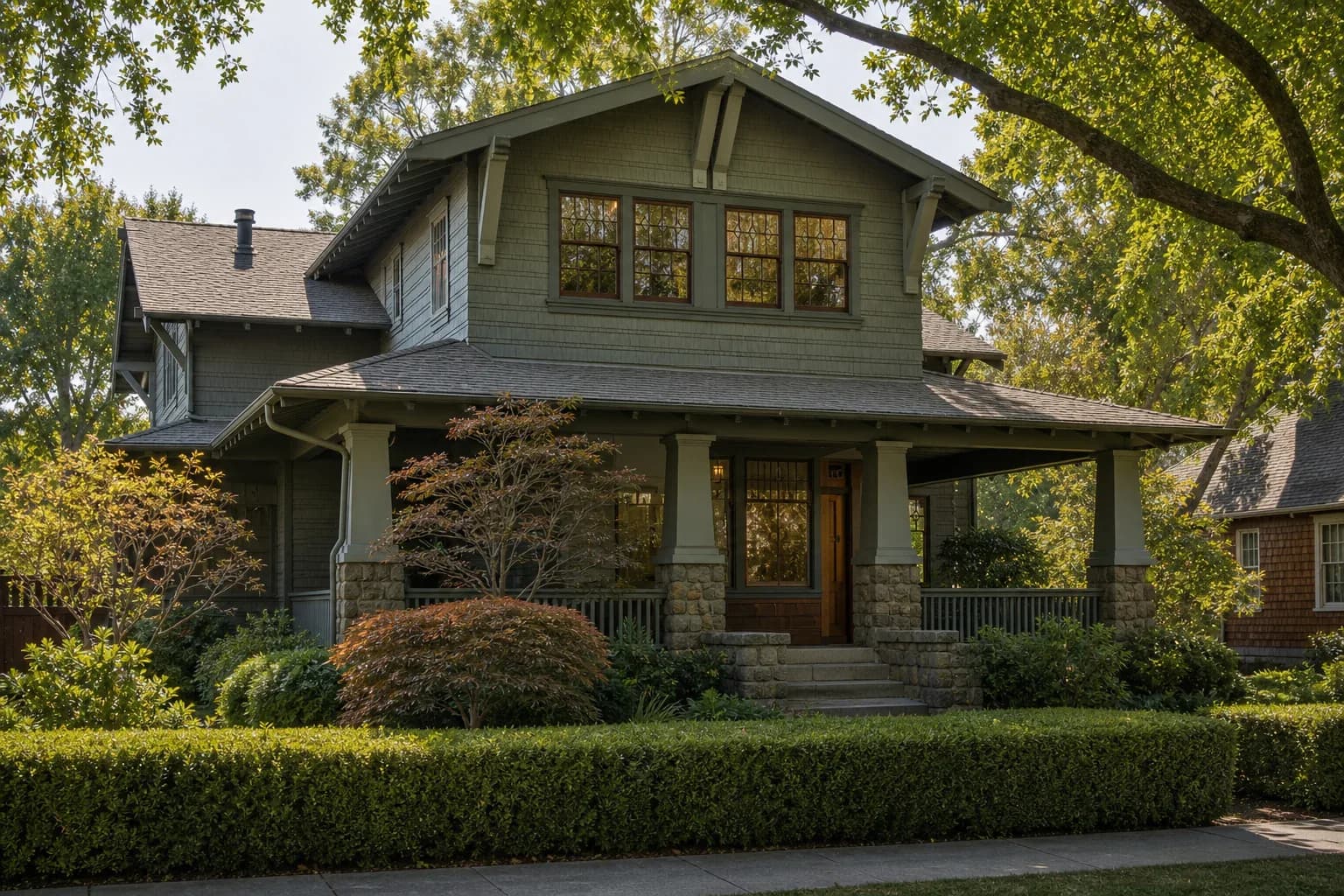
An efficient Palo Alto search starts before the first property tour. Clear priorities help relocating buyers compare homes without letting unfamiliar neighborhoods, travel limits, or complex purchase details control the decision.
Schedule a Palo Alto relocation buyer consultation with Robert Parish.
A relocating to Palo Alto CA home buyer should begin with a written search brief. Define the purchase budget, preferred property types, space needs, commute limits, daily routines, and firm deal breakers before reviewing homes. Then prepare financial documents and questions for a buyer consultation, including how local practices may affect escrow, title insurance, disclosures, and negotiation. Palo Alto’s housing choices deserve careful comparison because the U.S. Census Bureau reports that the median value of owner-occupied homes exceeds $2 million. Rank each property against the same criteria, note which compromises remain acceptable, and revisit the brief whenever new information changes the decision. This process keeps the relocation focused on lasting fit rather than a persuasive feature or rushed tour.
The central question is not simply which home looks appealing. It is which property supports your priorities after the move, while keeping practical tradeoffs visible. Build your Palo Alto home-search brief first, then use it to guide every consultation and comparison. For wider market context, our guide to buying a home in Palo Alto in 2026 covers current conditions and neighborhood differences.
Build your Palo Alto home-search brief
A useful search brief turns a broad relocation plan into clear choices before any showing. It keeps a striking feature from pushing a core need aside.
Start with the parts of daily life that a home must support. Then rank preferences and name tradeoffs you can accept without regret.
Five steps for a focused brief
Review the Palo Alto community before you set location preferences. The U.S. Census Bureau’s Palo Alto profile can also provide neutral housing context as you frame your search.
- Define the move’s purpose. Write three outcomes that would make the move work for your household. Focus on how the home supports routines, privacy, hosting, work, and future plans.
- Set the true must-haves. Limit this group to conditions that could make a home unsuitable. Examples may include minimum space, an accessible layout, or room for a specific use.
- Rank your preferences. List features that would improve daily life but are not essential. Put them in order, so the most useful preferences guide close calls.
- Name acceptable tradeoffs. Decide what you could give up for the right home. You might accept less outdoor space in exchange for a layout that fits better.
- Set decision rules. State which flaws end a showing and which ones call for more review. These rules keep each discussion tied to the same brief.
Questions that expose tradeoffs
A must-have should survive a direct challenge. Ask what problem it solves, how often that problem occurs, and whether another feature could solve it.
Use the same test for preferences. If a feature affects only rare events, it may rank below a feature used each day. This approach helps couples or families discuss differences without turning every preference into a hard requirement.
A showing scorecard
Convert the brief into a one-page scorecard before viewing homes. Give must-haves a simple pass or fail. Score preferences on one shared scale, then record each accepted tradeoff in plain language.
Add a short notes field for questions that need follow-up. Property condition, ownership structure, and planned changes may need more review. If value becomes part of that review, use a consistent view of Palo Alto property values rather than judging one feature alone.
Compare notes soon after each showing while details remain clear. Keep emotional reactions, practical fit, and open questions in separate fields. That separation makes the next discussion more precise.
Compare housing needs before choosing a property
For a home buyer relocating to Palo Alto, CA, the right property starts with a clear needs list. Separate daily requirements from preferences before reviewing homes. This step keeps an appealing feature from hiding a poor fit.
Daily routines and location
Map each household member’s typical week, including work, school, care, shopping, and recreation. Then test likely travel routes at the hours you expect to use them. A short map distance may not reflect how a location works each day.
Study the setting as closely as the house. Walk nearby blocks and note traffic, noise, shade, parking, and access to daily needs. The Palo Alto community overview can help frame this local review before an in-person visit.
Space, condition, and ownership costs
Define how each room must work during the next several years. Consider guests, remote work, storage, privacy, outdoor space, and changing family needs. Avoid paying for space that has no clear purpose.
Compare condition and likely upkeep, not just purchase price. Review inspection findings, planned repairs, insurance, taxes, and ongoing care with qualified advisers. The U.S. Census Bureau housing data provides broad context, but property records and inspections provide home-specific evidence.
| Criterion | Question to ask | Evidence to collect |
|---|---|---|
| Location | Does this address support our weekly routine? | Route tests, block visits, and local maps |
| Interior space | Does every key room have a clear use? | Floor plan, measurements, and furniture plan |
| Condition | Which repairs need prompt attention? | Inspections, disclosures, and contractor input |
| Ownership costs | What will this home require beyond the purchase? | Tax records, insurance quotes, and upkeep estimates |
| Future fit | Can the property support likely life changes? | Zoning research and renovation feasibility |
A consistent comparison method
Use the same criteria for every serious option. Mark each item as required, preferred, or flexible, then record supporting evidence. This makes tradeoffs visible and helps two similar homes separate on practical grounds.
Give greater weight to features that are difficult to change, such as location, lot, and layout. Treat finishes as a separate choice because many can change later. If a home misses a requirement, name the cost or compromise before moving forward.
Revisit the list after tours because real properties often expose hidden assumptions. A feature may become less important, while another becomes essential. Keep those changes deliberate and tied to evidence, rather than reacting to presentation alone.
What should you prepare for a buyer consultation?
A useful buyer consultation starts with facts, not a broad wish list. For a home buyer relocating to Palo Alto, California, preparation also helps separate firm needs from flexible preferences. Bring enough detail to discuss financing, timing, daily life, and the choices you may face.
Financing and timing
Gather a recent loan preapproval, proof of funds, income records, and a clear view of your available cash. Also note any funds tied to stock sales, bonuses, another home sale, or a trust. These details help frame a practical purchase range and closing plan.
Discuss your target move date and any fixed deadlines. These may include a job start, school plans, lease end, or the sale of another home. If needed, outline a temporary housing plan so one deadline does not force a rushed purchase.
Palo Alto housing requires careful budget choices. The U.S. Census Bureau profile reports a median owner-occupied home value above $2 million. Ask how taxes, insurance, repairs, and planned updates should shape your full budget, and review how Palo Alto property tax rates are assessed after a purchase.
People, priorities, and tradeoffs
Identify every decision-maker before the meeting. Clarify who will attend tours, review disclosures, approve financing, and sign documents. If a family member, trustee, or business entity is involved, raise that point early.
Prepare two property lists: firm requirements and useful preferences. Include location, commute, lot size, layout, privacy, condition, and room for future needs. Review the Palo Alto community before the consultation, then note which areas fit your routine.
- Firm needs, including bedroom count, access, or a move deadline.
- Flexible preferences, including architectural style or finish choices.
- Known concerns, including renovation scope, traffic, or resale plans.
State your risk tolerance in plain terms. Decide whether you could accept repairs, a shorter review period, or uncertainty around future improvements. This gives your advisor a clearer basis for comparing properties without assuming that price is the only concern.
Questions for the consultation
Bring a written question list and rank the questions by importance. Ask how the search will work while you are outside California. Also ask how tours, disclosures, offer choices, inspections, and communication will be handled from a distance.
Use the meeting to define what would make you pause or walk away. Ask which local practices may affect your offer and how competing goals will be weighed. Robert Parish’s buyer services page can help you identify process questions before the consultation.
- Which documents should be ready before touring?
- How will properties be screened against firm requirements?
- Who reviews disclosures, title issues, and inspection findings?
- How quickly must each decision-maker respond?
- Which risks should trigger more review or a different offer?
How can you evaluate homes from a distance?
A remote tour can help you compare homes before travel, but it should do more than show attractive rooms. Treat each visit as a structured review. Use the same questions, camera path, and notes for every property.
Careful review matters in a high-value market. The U.S. Census Bureau reports that Palo Alto’s median owner-occupied home value exceeds $2 million. A consistent process helps a relocating Palo Alto, CA home buyer compare condition, location, and fit without relying on memory.
See how Robert Parish helps Palo Alto buyers plan and compare their options.
Build a useful visual record
Ask the person leading the tour to move slowly and keep the camera level. Request wide views first, followed by close views of finishes and visible wear. Include ceilings, floors, windows, storage, utility areas, and each exterior side.
Go beyond the property itself. Ask for a live view from each main window and a slow walk along the block. Note nearby traffic, slopes, neighboring buildings, street parking, and outdoor sound. The Palo Alto community page can add local context before you compare your tour notes.
Save observations in a simple room-by-room log. Separate what the camera clearly shows from items that need follow-up. Photos, screen captures, and written timestamps make later questions easier to frame.
Review condition and documents
A polished video does not replace a close review of the property. Read available disclosures and inspection reports, then compare them with your tour notes. Flag gaps, unclear language, visible damage, and repairs that may affect your plans.
- List known issues, completed work, and items that remain unclear.
- Ask which areas were not accessible during an inspection or tour.
- Note signs of moisture, cracks, uneven floors, aging finishes, or poor drainage.
- Track follow-up questions and the document that prompted each one.
Use qualified inspectors when you need an independent view of condition. Ask them to explain limits in their review and identify items that need added expertise. For pricing context, compare condition and features with the factors behind Palo Alto property values.
Verify everyday fit
A home can look suitable on screen yet work poorly in daily life. Test your key routines against the layout. Consider work space, privacy, storage, access, natural light, outdoor use, and room for future needs.
If possible, schedule a second remote visit at a different time. Light, traffic, and street activity may change during the day. Ask someone you trust to stand quietly in key rooms and describe what they hear.
Before moving forward, rank each home against your original priorities. Mark every point as confirmed, uncertain, or unsuitable. That final check keeps strong staging or one appealing feature from hiding a poor overall fit.
Turn your shortlist into a confident decision
A strong shortlist makes the final choice clearer, but it does not make it automatic. Compare each home against durable needs rather than one striking feature. This approach helps a relocating to Palo Alto CA home buyer stay focused when several options seem appealing.
Build a durable scorecard
Start with the priorities that should still matter after the move is complete. These may include layout, lot use, privacy, natural light, condition, and room to adapt. Give each item a weight before reviewing the homes again.
Separate true requirements from preferences. A requirement should protect daily life or a long-term plan. A preference adds value, but should not outweigh a home that fits the larger goal.
Use the same evidence for every option. Review disclosures, inspection findings, renovation limits, and property records with equal care. The U.S. Census Bureau reports that owner-occupied homes make up 54.6% of Palo Alto housing units. That context supports careful review of each ownership choice.
Test trade-offs before ranking
No home needs to win every category. Instead, note which trade-offs can be changed and which will remain. Finishes can often change, while lot shape, street setting, and core floor plan are harder to alter.
Then test each option against realistic future scenarios. Consider hosting, working from home, aging in place, or a later resale. A review of Palo Alto property values can help frame which traits may remain useful beyond the first year.
Write one sentence explaining why each home belongs on the shortlist. If the reason depends on excitement alone, revisit the scorecard. A concise reason often shows whether the choice rests on durable value or a passing reaction.
Align the offer with the choice
Once one home leads, decide what makes it worth pursuing and where to stop. Set clear terms for price, timing, contingencies, and repair risk. Our explanation of Palo Alto home offer contingencies shows how each one shifts risk. This creates room for firm negotiation while keeping the original priorities in view.
An offer should reflect the home’s evidence and the buyer’s risk limits. It should not rely on fear of missing out. Robert’s results-oriented negotiation experience can help buyers weigh terms, disclosures, and transaction structure as one connected decision.
Keep a backup option active until the leading transaction is secure. The backup should have its own acceptable terms, not serve as a reason to overreach. A clear walk-away point protects both the relocation plan and the quality of the final decision.
When should you start a Palo Alto home search?
Start when you can define the move, test your financing, and act on the right home. A fixed start date is less useful than clear milestones. Your timeline should reflect the purchase structure, travel needs, work plans, and required move date.
Work backward from the conditions that matter most. These may include a job start, school plans, a lease end, or the sale of another home. Then leave room for due diligence and move details rather than forcing each choice into a rigid calendar.
Consultation and financing readiness
Begin with a consultation before browsing homes in depth. Discuss location needs, property type, budget, privacy, commute, and any deal terms that may affect the search. Review the Palo Alto community before deciding which areas deserve closer study.
Next, confirm how you will fund the purchase. Buyers using financing should have lender guidance and a clear approval path. Cash buyers should confirm available funds and transfer logistics. Buyers purchasing through a trust or limited liability company should identify decision makers and required documents early.
Search and due diligence milestones
Move into the active search once your priorities and financial plan are settled. Set criteria for features that cannot change, such as lot position or location. Treat finishes and decor as secondary. This approach helps a relocating Palo Alto CA home buyer compare homes without losing focus.
Build due diligence into the plan before making an offer. Review disclosures, inspections, title details, and the property’s physical condition with the right advisers, using our Silicon Valley home buying checklist to keep each step in order. The U.S. Census Bureau housing profile also tracks local housing value, owner occupancy, and rent. Use broad public data as context, not as a substitute for property-level review.
Offer timing and move coordination
Your search becomes offer-ready when you can assess terms and approve decisions without delay. Establish who will review documents and how signatures will be handled. If you cannot attend in person, arrange remote tours and inspection access before a suitable home appears.
Coordinate the move alongside the purchase rather than after acceptance. Plan housing between homes, movers, insurance, utilities, and travel with room for changes. Assign each item an owner, and note which plans depend on the closing date. Keep backup options for lodging and storage if the purchase schedule shifts.
A review of Palo Alto property values can also sharpen expectations before you commit. Start early enough to make sound choices, but let readiness milestones guide the pace.
Frequently Asked Questions
Is it worth living in Palo Alto?
Palo Alto may suit buyers who value Stanford proximity, an innovation-focused community, and access to established California Peninsula markets. The decision also requires a realistic housing budget. The U.S. Census Bureau reports the median value of owner-occupied homes at more than $2 million. Compare location, space, commute, and financial goals before deciding.
How does buying a home in Palo Alto differ from other areas?
Palo Alto purchases can involve local title insurance practices and competitive offer situations. Buyers relocating from elsewhere should review each property’s disclosures, financing terms, and contract deadlines with qualified advisers. Ask a local Realtor to explain customary steps before making an offer. This preparation helps buyers compare risks and avoid relying on practices from another market.
What are the first steps for relocating to Palo Alto?
Start by setting a complete housing budget and listing essential location, space, commute, and lifestyle needs. Then separate requirements from preferences. Prepare financing records before the first consultation, including proof of funds and lender information when applicable. A focused consultation can then connect those priorities to suitable Palo Alto neighborhoods and realistic property types.
What should home buyers know about Palo Alto zip codes?
A zip code is a useful search filter, but it should not replace property-level research. Buyers should compare commute routes, lot characteristics, nearby services, and each home’s condition. Confirm school boundaries and other location details directly with the responsible agencies. Two properties within one zip code can still present very different tradeoffs, costs, and daily routines.
Are there financial assistance programs for home buyers in Palo Alto?
Some buyers may qualify for local or regional home purchase assistance, but eligibility and availability can change. Programs may consider income, assets, household size, work location, or first-time buyer status. Contact the program administrator directly before building assistance into a purchase budget. A lender can also explain how assistance may affect financing, timelines, and required documentation.
Ready to plan your Palo Alto home search?
Waiting to plan can compress your decision window and leave important relocation details unresolved. Starting now gives you time to clarify priorities, compare suitable areas, and prepare for focused property visits. An early strategy also helps you coordinate your housing search with work, school, travel, and moving commitments.
Ready to build a clear search plan before your move? Discuss your priorities, preferred timeline, and next steps with Robert Parish. Use the conversation to align your search plan with the practical demands of relocating to California.
Schedule a relocation buyer consultation with Robert Parish.